
A Beacon of Hope: The McBride Family's Journey with Ronald McDonald House
 Tiffany Jewell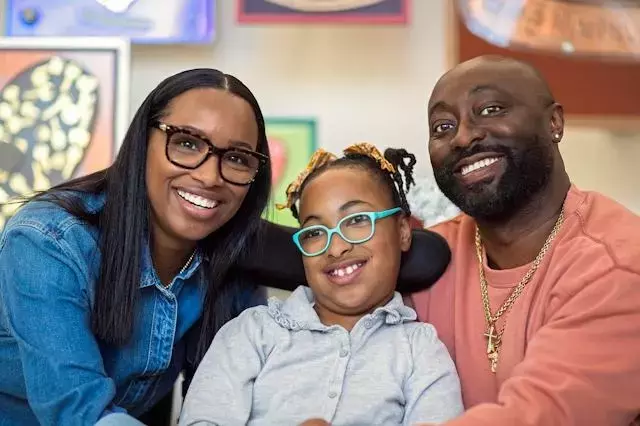
The McBride family's arduous journey, marked by a devastating car accident and their daughter Juliana's premature arrival and critical medical condition, profoundly illustrates the invaluable support provided by Ronald McDonald House. This organization offered them a much-needed sanctuary, encompassing accommodation, nourishment, and a compassionate community, thereby allowing them to stay near their child throughout her extended hospitalization and subsequent recovery. Their compelling narrative powerfully emphasizes the transformative influence of such facilities on families navigating medical emergencies, converting an otherwise overwhelming ordeal into a collective healing experience.
A Family's Unforeseen Ordeal and the Lifeline Provided by Ronald McDonald House
In a twist of fate on an ordinary day, Jules and Jevon McBride, expecting parents, were involved in a severe car accident that drastically altered their lives. At just 25 weeks into her pregnancy, Jules required an emergency C-section, bringing their daughter, Juliana, into the world prematurely, weighing a mere 1 pound, 10 ounces. Juliana's fragile start was further complicated by a diagnosis of a Grade 4 brain bleed and hydrocephalus. While Juliana bravely fought for her life in the NICU, Jules and Jevon faced their own daunting recovery journeys. Jules, confined to a wheelchair, and Jevon, undergoing multiple surgeries and extensive physical therapy to regain his ability to walk, found themselves in an unimaginable medical crisis. Despite their own struggles, the thought of leaving Juliana's side was inconceivable for them.
With their home located over an hour and a half away from the hospital where both Jevon and Juliana were receiving care, Jules grappled with the logistics of her own recovery while needing to remain close to her family. It was during this challenging period that a hospital social worker introduced them to the Ronald McDonald House. This facility offers families a place to stay near the hospital while their child undergoes medical treatment, alleviating the burden of distance and daily necessities. The McBrides' initial stay at the Ronald McDonald House extended for 105 days. Jules vividly recalls the mixture of fear and profound relief upon arrival, knowing she was still intimately close to her husband and baby, even as she embarked on her own healing process.
The everyday challenges did not cease with their medical crisis. Questions about where they would sleep, how they would eat, and the logistics of traveling between their healing beds and Juliana's bedside loomed large. Jevon remembers the immense worry about Jules's ability to travel, given her injuries. However, the Ronald McDonald House provided a solution, enabling them to stay close to Juliana and eventually reunite as a family. Jules's mother, Alison, joined her at the House for the first eight weeks, offering crucial support during her recovery. Upon Jevon's discharge from the hospital, he too found refuge at the House, allowing the family to remain a cohesive unit near Juliana. Jules affectionately refers to the Ronald McDonald House as "such a gift," for its provision of "all the essentials of everyday life." Amidst daily hospital visits, they benefited from accessible rooms and bathrooms, a space for Jevon's physical therapy, breast milk storage, home-cooked meals, and a quiet place to rest after exhausting days in the NICU. Jevon emphasizes that it offered them "a home near Juliana rather than forcing us to face everything separately." This proximity allowed them to visit Juliana daily, maintain close communication with her care team, and actively participate in her treatment without the added stress of basic needs.
The chaotic and relentless environment of hospital life, with its constant beeping monitors and blurring hours, starkly contrasted with the serenity offered by the Ronald McDonald House. Jevon describes the comfort of "nutritious meals waiting, a place to take a hot shower, and a peaceful room away from the sounds of hospital monitors." The House also featured common areas, including a room with a piano where Jevon found solace. Playing familiar melodies helped him stay grounded during his recovery, offering a sense of normalcy amidst his medical journey. He believes that "the everyday comforts of the House helped create a space where I could focus on my family and my healing." For Jules, the support from other families at the House was a profound source of comfort. In the evenings, after Juliana was asleep, she would connect with parents who understood her fears and exhaustion without the need for extensive explanations. Katie Fitzgerald, President and CEO of Ronald McDonald House Global, highlights that "community is often built through ordinary moments," whether it's a volunteer preparing dinner, a staff member offering a warm welcome, or parents sharing the unspoken understanding of waiting for test results.
Now, serving as the inaugural Global Spokesfamily for Ronald McDonald House, Jules and Jevon are extending their support to other families navigating similar medical challenges. They passionately advocate that "You do not have to go through this alone," and that "asking for help gives you the chance to rest, recover, and keep showing up for your child." Jevon underscores the "strength in accepting help," emphasizing that in times of family crisis, support can be truly transformative. The Ronald McDonald House provided them with the crucial space to focus on being together and healing as a unit. Many families worldwide continue to need these vital services, with Ronald McDonald House currently serving only a fraction of the estimated 2.6 million families in need globally. As the McBrides commemorate a decade since their first stay, they invite others to contribute to ensuring more families receive the indispensable support that made such a profound difference in their lives. Jevon eloquently states, "Ronald McDonald House helped my family stay together and close to our daughter's care. It gave us a home, meals, and a supportive community when we were exhausted and scared." By donating, readers can help ensure that more families have access to the essential resources and support needed to remain close to their children during critical medical periods.
The McBride family's story serves as a powerful testament to the resilience of the human spirit and the profound impact of compassionate community support during times of extreme vulnerability. It highlights that in the face of life-altering medical crises, families often grapple with not only the immediate health concerns of their child but also the overwhelming logistical and emotional burdens of daily life. The existence of organizations like Ronald McDonald House provides a vital safety net, allowing parents to channel their energy towards their child's healing, rather than being consumed by anxieties about lodging, meals, or isolation. This narrative underscores the critical importance of such support systems, revealing how they foster healing not just for the child, but for the entire family unit. It encourages a broader understanding of the interconnectedness of physical, emotional, and social well-being in the journey of recovery, and inspires empathy and action to ensure that no family has to face such a crisis alone.