
A Cinematic Journey into Filipino Folklore: "Forgotten Island" Review
 Guillermo del Toro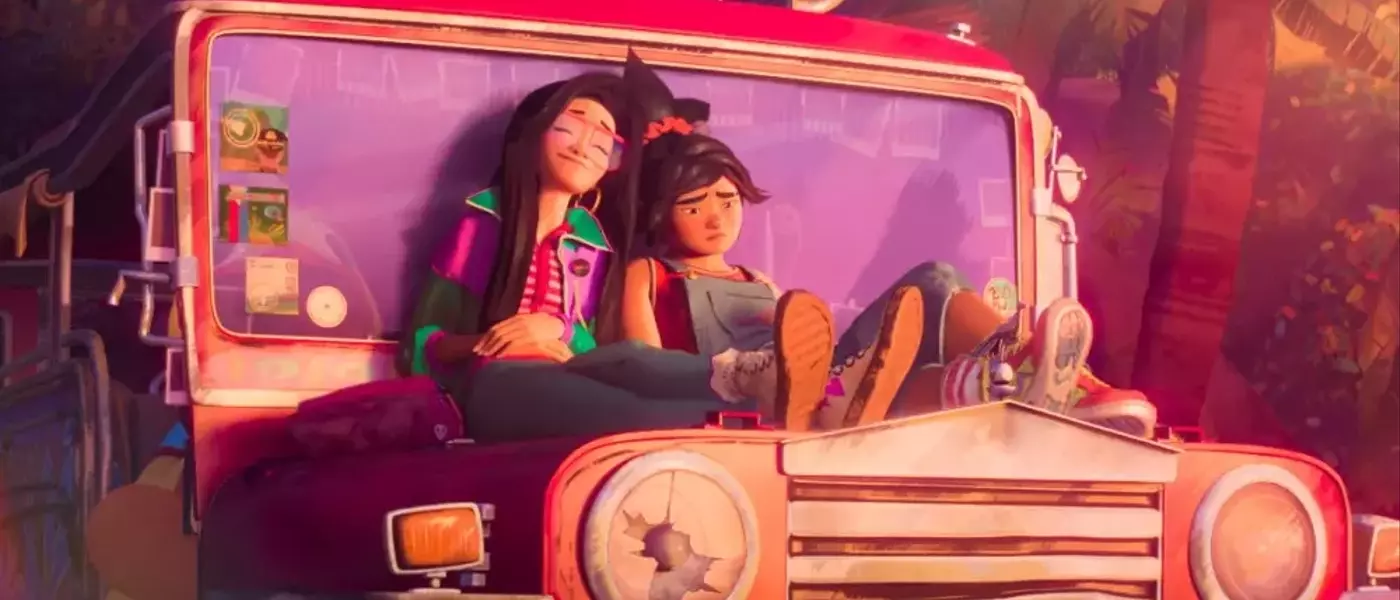
"Forgotten Island," a new animated feature from DreamWorks, stands out not just for its engaging narrative but for its vibrant cultural tapestry. Directed by the seasoned duo Joel Crawford and Januel P. Mercado, known for their work on "Puss in Boots: The Last Wish," the film offers a unique blend of familiar storytelling tropes and a fresh, immersive dive into Filipino folklore. The movie's appeal is significantly enhanced by its talented voice ensemble, featuring Grammy-winner H.E.R. as the determined Josephine “Jo” Yuson, Liza Soberano as her pragmatic friend Raissa Molina, and Dave Franco lending his voice to Raww, a charming were-aspin. Their performances bring depth and authenticity to characters navigating a world where ancient myths come alive. The story centers on Jo, a young dreamer deeply connected to her grandmother Lola's tales of the forgotten island of Nakali, a place brimming with magical creatures and mystical landscapes. Her bond with Raissa, forged in shared childhood escapades and the comfort of imagination, forms the emotional core of this captivating adventure.
The journey truly begins as Raissa prepares to leave for college in the U.S., prompting Jo to seek one last adventure to preserve their friendship. A magical sand dollar, a relic from their shared past, unexpectedly transports them to the real Nakali, a vibrant realm far beyond their wildest dreams. Here, they encounter a host of fantastical beings, including Raww, a dog-human hybrid who becomes their guide, and the enigmatic Batiba (Jenny Slate), a cat-like entity with her own agenda. Their quest to return home becomes a profound exploration of their friendship, challenging their perceptions and forcing them to confront difficult realities. While the film carries a PG rating, it intelligently weaves in sophisticated themes and humor that resonate with both younger and older audiences. Moments of lightheartedness, such as the humorous “fire-rrhea,” are balanced with intense sequences involving characters like the formidable, vampire-esque Manang (Lea Salonga), ensuring a dynamic viewing experience. The visual artistry of "Forgotten Island" is particularly noteworthy, combining meticulous digital animation with the nuanced charm of hand-sketched details, creating a world that is both grand and intimately rendered. Each new environment is a feast for the eyes, inviting viewers to lose themselves in the rich tapestry of Filipino mythology, even if some of its intricacies are new to them.
Ultimately, "Forgotten Island" is a powerful narrative about confronting life's inevitable changes, particularly the transitions that test the bonds of friendship. Jo’s journey to accept the evolution of her relationship with Raissa, and Raissa’s revelation of her own aspirations, provide a relatable and poignant exploration of personal growth. The film masterfully employs Filipino mythology not merely as a backdrop, but as a driving force for the story, infusing universal themes with a unique cultural flavor. The inclusion of creatures like the narcissistic Mermahn and the street-dog-inspired were-aspin Raww grounds the fantastical elements in a sense of cultural authenticity and whimsy. Complemented by a beautiful score and a selection of classic songs, the film achieves a perfect harmony between its diverse elements. "Forgotten Island" transcends a typical animated film; it's a deeply resonant and gratifying cinematic journey that celebrates the enduring power of friendship, the beauty of cultural heritage, and the courage required to embrace change. This film is best enjoyed alongside a cherished companion, echoing its core message of shared experiences and lasting connections.