
Crafting the Terrifyingly Authentic Town of St. Amelia in Silent Hill: Townfall
 Reiner Knizia
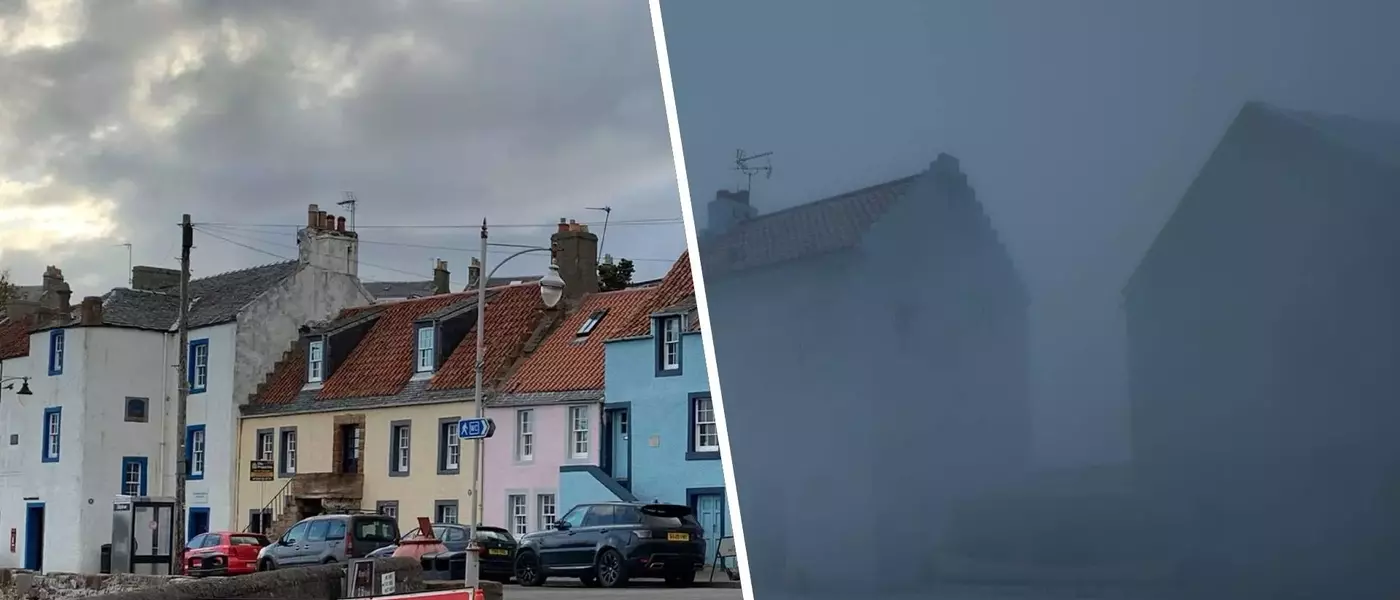
"Silent Hill: Townfall" plunges players into the haunting, fog-laden landscape of St. Amelia, a fictional Scottish coastal town. This article explores the intricate design philosophy behind its creation, where developers Jon McKellan and Paul Abbott aimed for a profound sense of realism. By meticulously blending familiar British aesthetics with unnerving horror elements, they crafted an environment that feels both deeply personal to some and strangely alien to others, enhancing the game's unsettling atmosphere and psychological impact.
Screen Burn envisioned St. Amelia as a reflection of Scottish coastal towns, initially considering a vague Northern European setting. However, the team quickly realized that anchoring it specifically to Scotland would imbue the game with greater authenticity. McKellan emphasizes that the town's unique character and the narrative events within it are intrinsically linked to its Scottish heritage. This decision was met with support from Konami and Annapurna, who appreciated the dedication to genuine representation. The concept pitched to Konami highlighted a small fishing village with Scottish roots, designed to evoke nostalgia in Scottish players while presenting a novel environment to those unfamiliar with the UK.
The developers embarked on extensive research, touring various Scottish and Northern English locations. Lerwick, the UK's northernmost town, proved particularly influential, contributing to St. Amelia's isolated yet cozy feel. St. Monans, a picturesque fishing village on the Fife coast, also served as a significant muse, with its distinctive colorful houses and reliance on the fishing industry directly inspiring many of St. Amelia's structures and streets. This real-world grounding was crucial for establishing the town's visual and atmospheric identity.
A key aspect of St. Amelia's realism stems from its first-person perspective gameplay. McKellan explains that this choice allows players to deeply connect with the environment, exploring every nook and cranny as they would in real life. The team utilized advanced techniques, including LiDAR scanning, to capture precise measurements of streets and buildings, ensuring a 1:1 scale accuracy that avoids common video game compromises. This meticulous approach to recreating real-world dimensions contributes to the claustrophobic feeling, even in open outdoor spaces, transforming familiar town layouts into disorienting labyrinths when cloaked in fog and inhabited by horrors.
Beyond structural design, the team meticulously curated the town's interior details to enhance authenticity. Instead of relying on generic digital assets, they scoured old '90s Argos catalogs and personal photo albums to replicate the furniture, electronics, and even period-specific packaging. McKellan's wife, Lee, an art producer, and their children also contributed, with old family photos decorating homes and children's drawings appearing throughout the town. This intergenerational input imbued St. Amelia with a human touch, making it feel lived-in and fostering a stronger emotional connection for players.
The horror elements in "Townfall" are deeply intertwined with the town's authenticity and real-world issues. The presence of the powerful CEG corporation, whose modern, ugly buildings contrast sharply with the traditional village, reflects the real-world tensions between community and corporate influence. The protest signs seen early in the game symbolize these struggles, highlighting how corporate involvement can impact local infrastructure and the lives of residents. This narrative layer amplifies the psychological horror, as the "monsters" in "Silent Hill" are often manifestations of trauma and inner demons, a tradition Screen Burn thoughtfully upheld. The creatures, such as the "Sorrowful" man and the "Widows," appear disturbingly human-like, making them even more unsettling and tragic as they represent victims of various horrors, compelling players to engage with stealth rather than direct confrontation.