
Dragon Ball Super: Beerus - A Reimagined Classic
 Amy Hennig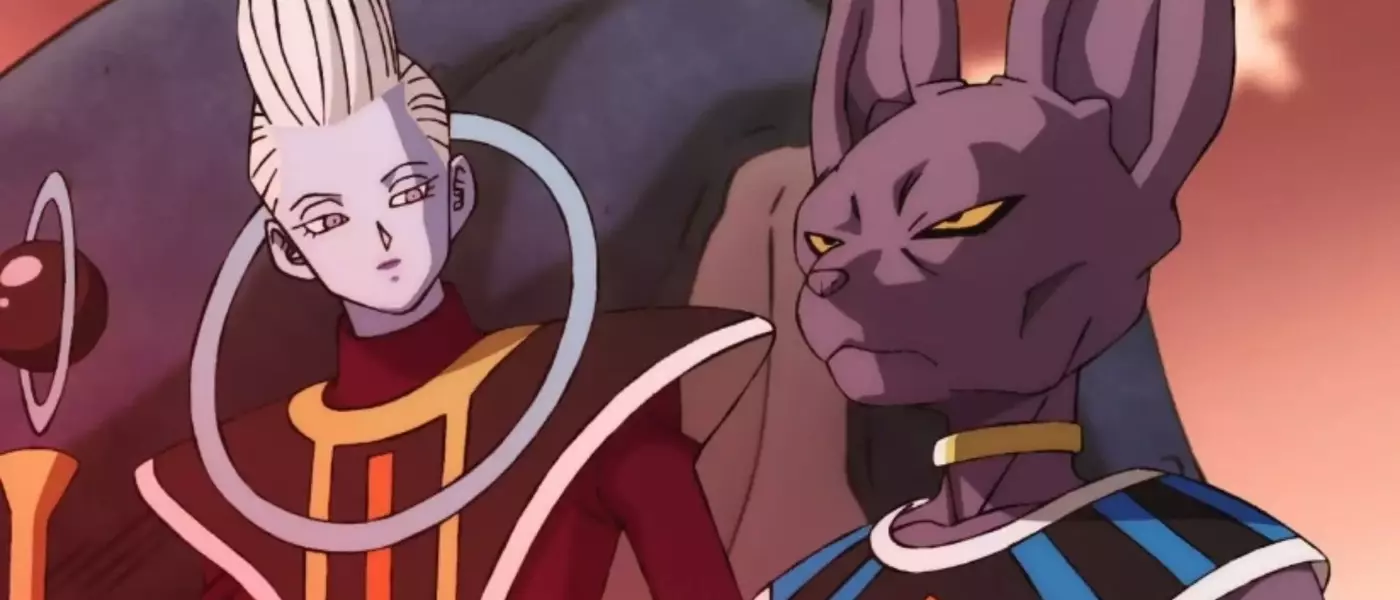
Initially, there was considerable skepticism surrounding the necessity of remaking "Dragon Ball Super: Beerus," especially given that the narrative had already been presented twice before. Many questioned the rationale behind revisiting a familiar story, despite the promise of improved animation, particularly when significant manga arcs awaited their on-screen debut. However, the world premiere at New York Comic Con 2026 transformed this initial reluctance into enthusiastic praise. The revamped series, with its stunning opening sequence, refined visuals, and deliberate pacing, has emerged as one of the most assured "Dragon Ball" adaptations in recent memory. It meticulously translates Akira Toriyama's original concepts from page to screen, incorporating previously manga-exclusive elements and signaling a strong reliance on Toyotarou's "Super" manga as its foundational blueprint. This meticulous approach not only elevates the visual quality but also enriches the storytelling, offering a fresh and engaging experience that redefines expectations for the franchise.
A critical aspect of this remake's success lies in its thoughtful introduction of the titular character, Beerus. Unlike previous iterations that emphasized situational humor or stretched the narrative with filler, "Beerus" immediately establishes the God of Destruction as a terrifying presence. While retaining his signature gluttony and unpredictable temper, the series imbues Beerus with a formidable and dark aura, reminiscent of his portrayal in the manga's initial chapters. This deliberate pacing extends throughout the premiere, contrasting Goku's tranquil life as a radish farmer with Beerus's awakening in distant space. These quiet moments are intentionally crafted to allow characters and their motivations to resonate before the cosmic conflicts unfold, marking a significant departure from the franchise's often action-driven pace. This measured approach contributes to a richer, more immersive narrative that respects the source material and provides a deeper understanding of its characters.
A Transformed Narrative and Enhanced Visuals
The updated visual style and deliberate pacing in the "Dragon Ball Super: Beerus" remake fundamentally alter the audience's engagement with the material. Characters exhibit a newfound vibrancy against richly detailed backgrounds, and combat sequences convey a tangible sense of impact. Even in the absence of grand transformations in the premiere, specific portrayals of Beerus, particularly during his confrontation on Planet Mogina, exude a powerful presence. The refined linework and stark, contrasting shadows lend the God of Destruction an intimidating aura that was notably absent from the original 2015 broadcast. When he effortlessly deflects the Chief Moginaian's desperate attack, there's a palpable sense of physical force, elevating what could have been a routine act of destruction into a compelling demonstration of his immense power.
This significant shift addresses the shortcomings of the original "Dragon Ball Super," which suffered from a rushed production schedule and tight deadlines. The 2015 series, launched immediately after "Resurrection 'F'," forced animators to work under intense pressure, resulting in inconsistent character designs, flat digital shading, and stiff animation—issues that became notorious within the industry. Beyond these aesthetic missteps, the inclusion of excessive filler diluted the serious tone of a narrative centered on a literal God of Destruction. The current "Beerus" remake, however, doesn't merely refine the visuals; it meticulously streamlines the narrative, eliminating unnecessary padding and correcting past visual inconsistencies. This careful reconstruction ensures that the series aligns more closely with Toriyama's overarching vision, allowing the iconic battles to be revitalized with modern animation techniques and a thoughtfully constructed foundation.
Reinvigorating the Franchise and Bridging to Future Arcs
The renewed vitality of "Dragon Ball Super: Beerus" stems from its commitment to refining the narrative and visual presentation, a crucial step for the franchise. While some may question the decision to revisit an already told story, the remake’s meticulous approach to cutting broadcast filler and rectifying visual flaws demonstrates a profound respect for the source material and Toriyama's original intent. Despite initial reservations about re-treading familiar ground instead of advancing to new manga storylines, the premiere convincingly argues for the value of this endeavor. Witnessing these iconic conflicts rendered with modern animation, and observing the deliberate construction of the show's foundational elements, presents a compelling case for its existence, suggesting how much more impactful the modern era of "Dragon Ball" could have been with this level of attention from the outset.
Furthermore, the slower, more deliberate pacing of "Beerus" serves as an effective bridge, re-engaging fans with the "Dragon Ball Super" universe in preparation for the highly anticipated Galactic Patrol Prisoner arc, scheduled for release in 2027. This upcoming arc will bring to life Goku and Vegeta's intense confrontation with the ancient sorcerer Moro, a storyline eagerly awaited by manga readers for years. Therefore, a comprehensive refresh of the events that initiated this era of "Dragon Ball" is a timely and strategic move. For devoted fans, "Beerus" provides an opportunity to re-establish a baseline understanding of the universe before venturing into uncharted animated territories. While a single episode cannot guarantee the success of an entire arc, the premiere has generated genuine excitement for Goku's continued journey into the divine, offering a promising glimpse into the future of the "Dragon Ball" franchise.