
The Enduring Legacy of "Calvin and Hobbes": A Masterpiece's Perfect Farewell
 Shigeru Miyamoto
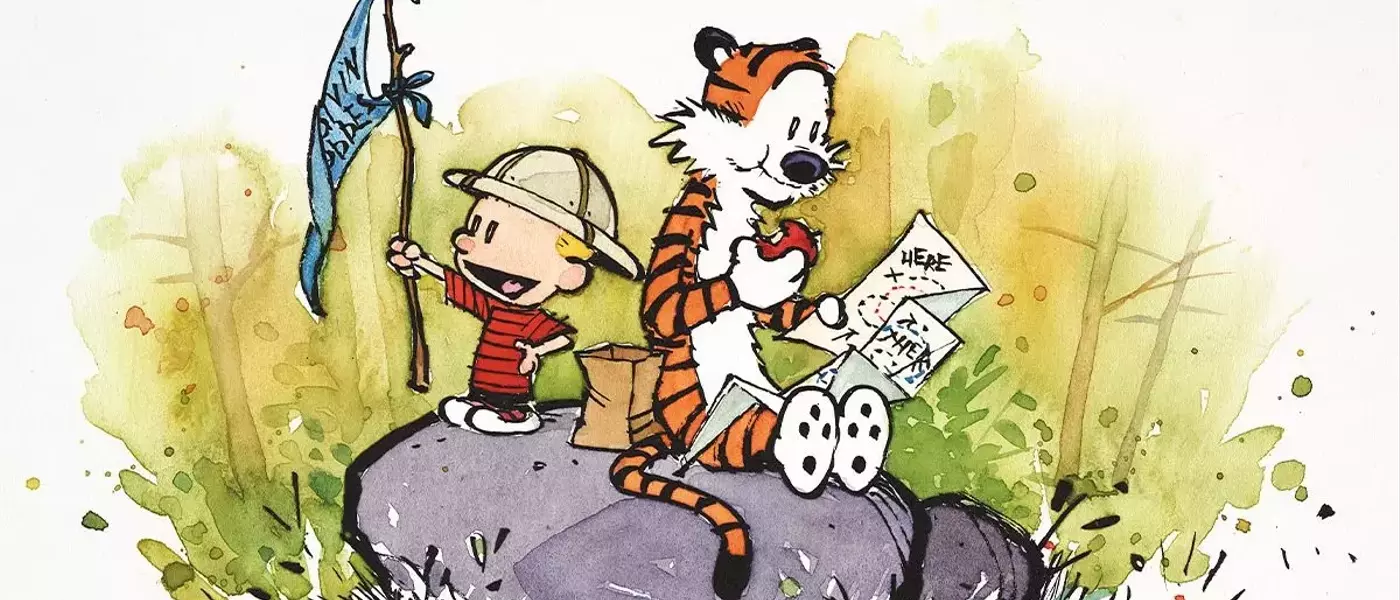
"Calvin and Hobbes," the beloved comic strip created by Bill Watterson, first graced newspaper pages on November 18, 1985. It quickly captivated readers with the imaginative escapades of a mischievous six-year-old boy and his philosophical tiger. Despite its immense popularity, Watterson made the unconventional decision to conclude the strip on December 31, 1995, after a decade-long run. This choice, motivated by his desire to maintain artistic integrity and avoid creative stagnation, set "Calvin and Hobbes" apart from many long-running comics. Watterson's foresight proved correct, as the strip's legacy has only grown, continuing to resonate with original fans and new generations alike. The final strip, a beautiful and open-ended depiction of Calvin and Hobbes sledding into a snow-covered landscape, is widely regarded as one of the most perfect conclusions in comic strip history, solidifying its place as a timeless masterpiece.
The Poignant Farewell of a Comic Strip Legend
On a crisp autumn day, November 18, 1985, the world was introduced to the whimsical universe of "Calvin and Hobbes." The very first installment saw young Calvin, donned in a safari helmet, excitedly setting a tiger trap baited with a tuna fish sandwich. In a delightful reveal, the final panel presented Hobbes, the stuffed tiger, caught in the trap and happily devouring the bait, marking the beginning of an extraordinary friendship that would span a decade.
The creative genius behind this phenomenon was Bill Watterson, who, after years of striving in the cartooning world, found his breakthrough with Universal Press Syndicate. Launching in 35 newspapers, the strip's charm quickly spread, gracing over 250 papers within its first year. For ten years, Watterson meticulously crafted the daily adventures of the spirited six-year-old and his wise, albeit imaginary, companion. By its zenith, "Calvin and Hobbes" was syndicated in over 2,000 newspapers worldwide. Yet, at the pinnacle of its success, Watterson made the surprising decision to bring the comic to a close on December 31, 1995, choosing to conclude it in a manner that many consider nothing short of perfect.
This decision stood in stark contrast to the longevity of many contemporary comic strips, some of which, like "Peanuts," had run for over four decades, and others that continued long after their original creators had departed. Watterson, however, firmly believed in leaving while the material was still fresh and impactful. In a 2010 interview with The Plain Dealer, he articulated, "It's always better to leave the party early." This philosophy ensured that "Calvin and Hobbes" would forever be remembered for its brilliance rather than become a victim of prolonged repetition. His choice has undeniably contributed to the strip's enduring appeal; even three decades after its conclusion, it continues to attract new readers and delight loyal fans, with collected editions still widely published, defying Watterson's initial aversion to character merchandising.
The culmination of this artistic journey arrived with the final strip, a masterpiece in itself. Watterson, keenly aware of the immense expectations from a devoted readership, crafted an ending that perfectly encapsulated the spirit of the series. Eschewing a definitive conclusion, he opted for an open-ended farewell, leaving the door ajar for Calvin and Hobbes' adventures to continue in the imaginations of their audience. This extended Sunday strip, departing from the traditional panel structure, depicted Calvin and Hobbes joyfully sledding through a freshly fallen blanket of snow. The stark white landscape, a familiar setting for their escapades, highlighted the duo as they embarked on what Calvin declared a "fresh, clean start." Hobbes, with a gentle nod to the fourth wall, likened it to "a big white sheet of paper to draw on!" As they sledded off into the vast, untouched expanse, Calvin's declaration, "It's a magical world, Hobbes, ol' buddy… Let's go exploring!" resonated as a timeless invitation to embrace endless possibilities. This heartwarming, inspirational, and perfectly satisfying conclusion ensures that the spirit of Calvin and Hobbes, forever exploring, continues to live on.
The tale of "Calvin and Hobbes" and its creator, Bill Watterson, offers a profound lesson on artistic integrity and the courage to conclude a masterpiece on one's own terms. In an era where commercial success often dictates longevity, Watterson's decision to end the strip at its zenith stands as a testament to prioritizing creative vision over popular demand. As readers, we are inspired to appreciate that true art knows when to make its graceful exit, leaving behind a legacy that remains vibrant and untarnished by overextension. The enduring appeal of Calvin and Hobbes reminds us that sometimes, the most perfect ending is not a definitive period, but an ellipsis, inviting us to imagine the continuous, unseen adventures of our beloved characters. It teaches us the value of cherishing what is, celebrating its essence, and allowing its magic to reside eternally in our hearts and minds.