
The Enduring Legacy of Calvin and Hobbes: A Perfect Farewell
 Roberta Williams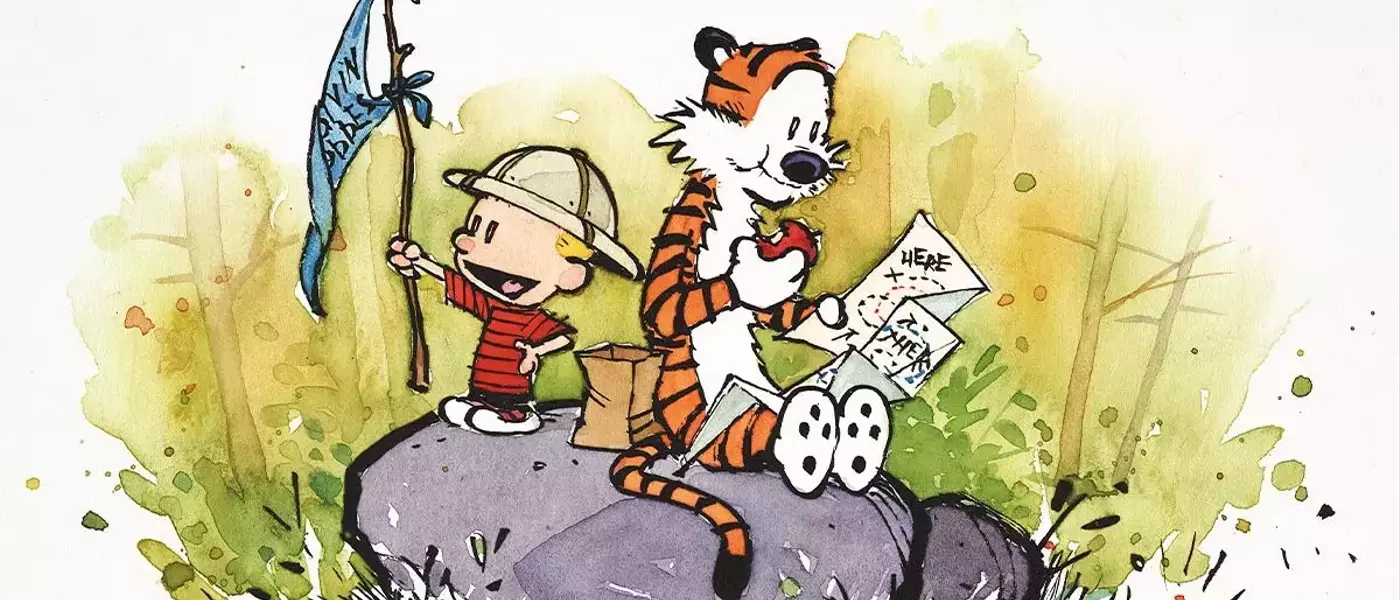
Bill Watterson's iconic comic strip, "Calvin and Hobbes," captured the hearts of millions with its imaginative six-year-old protagonist and his philosophical stuffed tiger. Debuting in 1985, the strip quickly gained immense popularity, appearing in thousands of newspapers worldwide. Yet, after a remarkable ten-year run, Watterson made the bold decision to conclude the series at its zenith. This choice, unconventional in the comic world, allowed "Calvin and Hobbes" to maintain its integrity and profound impact, cementing its status as a timeless masterpiece. Watterson's foresight ensured the strip never became stale, offering a perfectly crafted, open-ended farewell that continues to inspire new generations of readers and stands as a testament to the power of thoughtful storytelling.
The Poignant Farewell: Calvin and Hobbes' Enduring Impact
On November 18, 1985, an imaginative new comic strip titled "Calvin and Hobbes" made its debut in newspapers, introducing the world to an adventurous six-year-old boy, Calvin, and his best friend, a stuffed tiger named Hobbes. Crafted by the visionary cartoonist Bill Watterson, the inaugural strip humorously depicted Calvin's elaborate "tiger trap" plan, culminating in the first appearance of Hobbes, suspended upside down and enjoying a tuna fish sandwich. Watterson, after years of dedication to his craft, found recognition through Universal Press Syndicate, which foresaw the immense potential of his creation. Within its first year, the strip expanded from 35 to over 250 newspapers, eventually gracing the pages of more than 2,000 publications globally.
However, defying the conventions of long-running comic series, Watterson made the extraordinary decision to conclude "Calvin and Hobbes" on December 31, 1995, at the peak of its widespread appeal. This move stood in stark contrast to contemporaries like "Peanuts," which continued for decades. Watterson explained his rationale to The Plain Dealer in 2010, stating he felt he had conveyed all he intended to say and that it was "always better to leave the party early." He believed that ending the strip while it was still fresh preserved its charm and ensured its lasting legacy, preventing it from becoming a "tedious, ancient strip." His conviction proved true; over three decades later, "Calvin and Hobbes" continues to captivate audiences, with its collected works remaining popular despite Watterson's steadfast refusal to license merchandise.
The concluding strip itself is a masterclass in narrative closure. Breaking from traditional panel layouts, Watterson presented an extended Sunday strip that featured Calvin and Hobbes sledding through a pristine, snow-covered landscape. This imagery, rich with symbolism, depicted a world made new by fresh snowfall, mirroring the new year it introduced. Calvin's joyous exclamation, "A day full of possibilities. It's a magical world, Hobbes, ol' buddy... Let's go exploring!" perfectly encapsulated the duo's enduring spirit of adventure. This open-ended finale allowed readers to envision Calvin and Hobbes continuing their whimsical explorations beyond the printed page, a decision that resonated deeply with fans and solidified the comic strip's place in cultural history as a rare example of a truly satisfying artistic conclusion.
The narrative of "Calvin and Hobbes" and Bill Watterson's unconventional decision to conclude it at its pinnacle offers a profound lesson on artistic integrity and the lasting power of thoughtful storytelling. In an era often dominated by commercial extensions and prolonged series, Watterson's choice to prioritize creative vision over sustained popularity speaks volumes. It highlights that true impact isn't always measured by longevity, but by the quality and resonance of the work itself. For creators, this serves as an inspiring reminder that knowing when to step away, when the narrative arc feels complete, can elevate a work from mere entertainment to a timeless piece of art. For audiences, it underscores the value of open-ended conclusions, which, rather than providing definitive closure, invite continuous imagination and personal reflection, ensuring characters like Calvin and Hobbes live on eternally in the hearts and minds of their admirers.