
The Enduring Misconception of 'Highlander': A Critical Reappraisal
 Reiner Knizia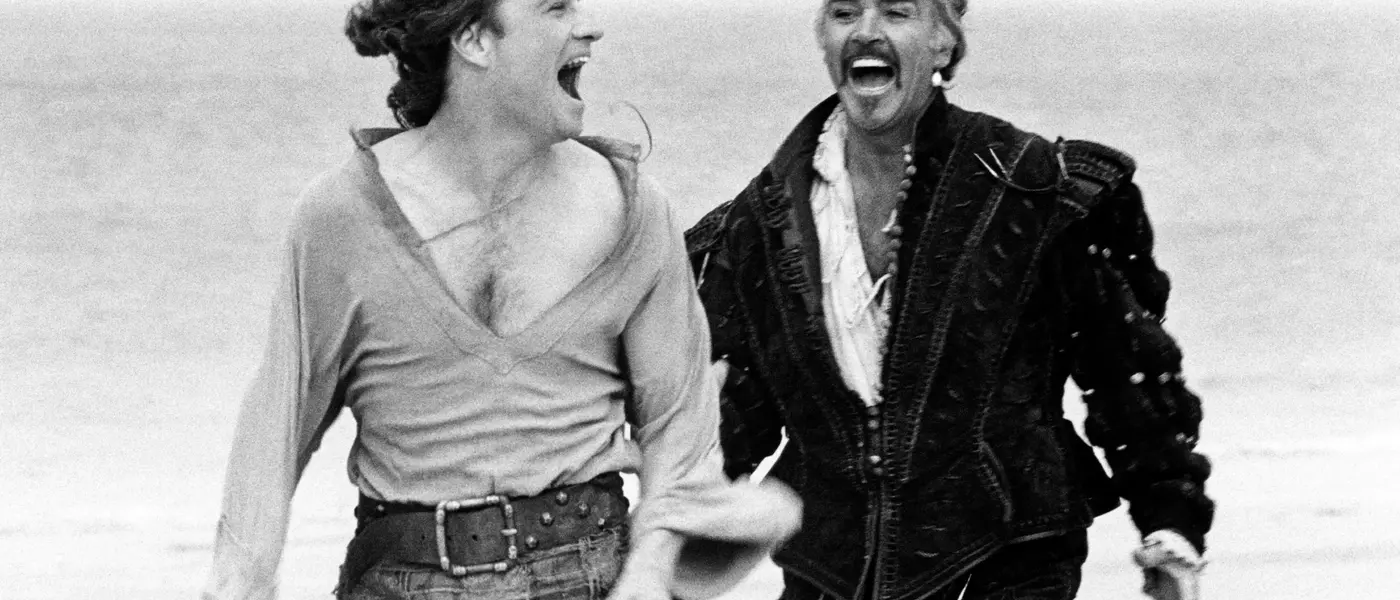
The 1986 cinematic release, Highlander, was met with a lukewarm reception, failing to impress critics and struggling at the box office. Despite its initial commercial and critical shortcomings, the film developed a fervent cult following, spawning a franchise that includes multiple sequels, television series, and an eagerly anticipated reboot featuring Henry Cavill. However, a deeper look suggests that the original critical assessment might have been the more accurate one, characterizing the movie as a humorless and self-important endeavor, a trait that the upcoming iteration seems poised to inherit.
Conceived by screenwriter Gregory Widen and directed by Russell Mulcahy, the original Highlander stars Christopher Lambert as Connor MacLeod, an immortal warrior from 16th-century Scotland. After seemingly dying in battle and miraculously recovering, MacLeod is banished from his clan, only to be enlightened by another immortal, Juan Sánchez-Villalobos Ramírez (Sean Connery), about his true nature. Immortals, as explained, can only be vanquished by decapitation, and they are destined to engage in a final battle until only one remains, giving rise to the iconic phrase, "There can be only one." This ultimate confrontation unfolds in 1980s New York, where MacLeod, now an antique dealer, ultimately triumphs, absorbing the power of his defeated adversaries and becoming mortal.
While the sword-fighting sequences in Highlander are undeniably engaging and plentiful, they alone cannot sustain a film plagued by uninteresting characters. The core issue lies in Mulcahy's overly serious approach, which strips the intriguing premise of its potential for levity and enjoyment. The juxtaposition of ancient swordsmanship with gritty 1980s New York is a concept ripe for playful exploration, yet the film's relentless pursuit of "badassery" results in a joyless viewing experience.
Fans often laud Highlander for its rich world-building and perceived campiness. While the premise indeed offers considerable untapped potential, the notion of it being a camp classic is debatable. True camp often involves self-awareness or an intentional low-budget aesthetic, neither of which is evident in Highlander. With a substantial budget for its time, the film showcases breathtaking Scottish landscapes and impressive New York City sets. However, these visual achievements are overshadowed by underdeveloped characters and a lack of humor, transforming what could have been a campy spectacle into a misallocation of resources.
Sean Connery's portrayal of Ramírez stands out as the sole element that hints at the film's missed comedic potential. His charming and lighthearted performance, coupled with his extravagantly-dressed conquistador persona, suggests a tone more akin to The Princess Bride – a sense of humor that the outlandish premise desperately needed. Instead, the film remains stubbornly serious and, consequently, rather tedious, a characteristic that the forthcoming reboot appears to be embracing as well.
Early glimpses of the new Highlander, primarily through Henry Cavill's social media, reveal a similarly somber tone. Images depict Cavill in brooding poses, hinting at intense action sequences. Given that the reboot is helmed by Chad Stahelski, known for his intensely serious John Wick films, it is reasonable to anticipate excellent action but less likely to expect the wit and charm that Connery briefly brought to the original. This raises the question of whether the new film will transcend mere impressive fight choreography to develop compelling characters and immerse audiences in its lore, or if it will simply perpetuate the earnest yet uninspired legacy of its predecessor. One might ponder, echoing the film's own catchphrase, why there couldn't have been just one.