
Essential Looney Tunes Shorts to Watch After 'Coyote vs. ACME'
 Roberta Williams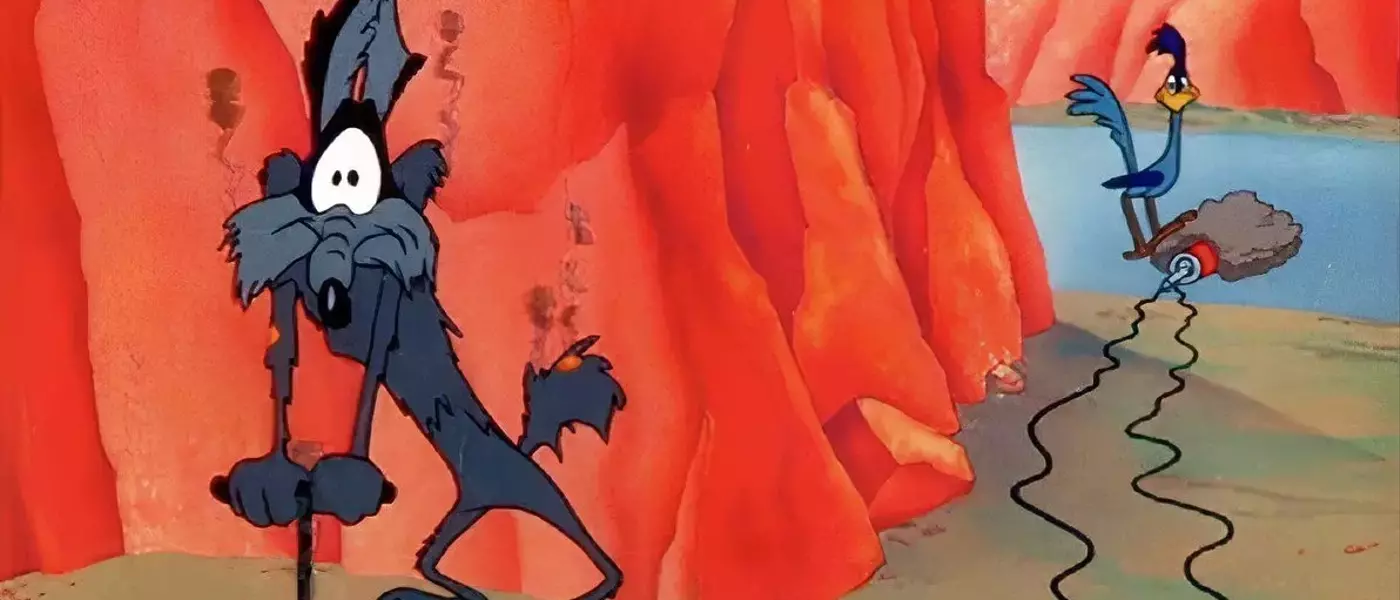
For enthusiasts who have recently experienced the animated and live-action blend of 'Coyote vs. ACME' and are eager for more classic cartoon adventures, or those preparing for their cinematic journey, a carefully selected compilation of foundational Looney Tunes shorts provides the perfect companion. This collection is designed to enrich your understanding of the characters and narratives central to the Looney Tunes universe, featuring both the relentless pursuit of Wile E. Coyote and Road Runner, and the unique antics of other prominent figures from the film.
The journey begins with "Fast and Furry-Ous" from 1949, the debut of Wile E. Coyote and the Road Runner. Directed by Chuck Jones, this short immediately established the dynamic duo, complete with Coyote's perpetual misfortunes, Road Runner's signature "Beep beep," and the often-malfunctioning ACME contraptions. It's a quintessential representation of their iconic rivalry, showcasing all the elements that would define their future encounters, including a slightly different eye design for Wile E. Coyote, yet retaining the core essence of the characters. This early masterpiece is readily available on Tubi, though locating it might require a specific search.
Following this, "Beep, Beep" from 1961 stands out, another Chuck Jones creation that exemplifies the consistent comedic excellence of the Road Runner and Coyote series. While many of their shorts share a similar premise, the inventive gags and impeccable timing always offer fresh humor. This particular short is significant for featuring Wile E. Coyote's "ACME Rocket Powered Roller Skates," an item that plays a crucial role in 'Coyote vs. ACME,' demonstrating the enduring legacy of these classic inventions and their comical, often painful, consequences for the Coyote.
Next, the 1956 short "Gee Whiz-z-z-z-z-z-z" is chosen for its memorable depiction of an ACME product: the "ACME Bat-Man's Outfit." This vibrant green, winged costume, far from any superhero attire, offers Wile E. Coyote a fleeting moment of aerial prowess before an inevitable, spectacular crash. It highlights the inventive yet flawed nature of ACME's offerings and Coyote's unyielding, if ill-fated, determination. These shorts are a testament to the timeless appeal of the Coyote's elaborate schemes and their predictable, hilarious failures.
Shifting focus, "All Fowled Up" from 1955 introduces Foghorn Leghorn, a character perfected by director Robert McKimson. Originally a supporting player to Henery Hawk, Foghorn's larger-than-life personality quickly propelled him to stardom. This short captures the unique, often unprovoked, rivalry between Foghorn Leghorn and the Barnyard Dog, where Foghorn's boredom frequently leads him to instigate comical conflicts. His portrayal as a mischievous and sometimes aggressive character in this short explains his casting as a villain in 'Coyote vs. ACME,' showcasing a side of him that revels in playful torment.
The 1947 short "Tweetie Pie" offers a glimpse into Tweety's original, more mischievous persona. Directed by Friz Freleng, this cartoon features Tweety as a clever, somewhat vindictive character who skillfully manipulates situations to get Sylvester, here called "Thomas," into trouble. This portrayal challenges the later perception of Tweety as purely sweet and innocent, revealing a darker, more cunning side that aligns with his unexpected role in 'Coyote vs. ACME' as an enforcer for the ACME Corporation. It's a fascinating look at the character's evolution.
"Daffy Duck in Hollywood" from 1938 brings us to an earlier, wilder Daffy Duck. Under the direction of Tex Avery, whose influence is explicitly acknowledged in 'Coyote vs. ACME,' Daffy is a chaotic, boisterous figure whose primary goal seems to be causing delightful mayhem. This short, where Daffy attempts to break into the film industry through sheer annoyance, perfectly encapsulates his early, unbridled energy and contrasts with his later, more cynical characterization. It's a vibrant display of the duck's original, uninhibited spirit.
Concluding this selection is Friz Freleng's 1940 short, "You Ought to Be in Pictures." While perhaps slower-paced than others, its innovative blend of live-action and animation makes it a curious and significant entry. It depicts Daffy persuading Porky Pig, then a major Looney Tunes star, to leave the cartoon world for feature films, solely so Daffy can usurp his leading role. This narrative device, where animated characters interact with the real world, resonates with the mixed-media approach of 'Coyote vs. ACME' and offers a clever meta-commentary on the entertainment industry and character ambitions.
This curated collection of classic Looney Tunes shorts provides a comprehensive overview of the enduring appeal and varied characterizations within the animated universe. Each short not only stands alone as a masterpiece of comedic timing and animation but also offers valuable context and deeper appreciation for the nuanced portrayals seen in contemporary works like 'Coyote vs. ACME.' These timeless cartoons continue to delight audiences with their inventive storytelling, memorable characters, and unparalleled humor, proving their lasting impact on popular culture.