
The Evolution of Korra: Navigating Adulthood and Confronting Change in Season 3
 Amy Hennig
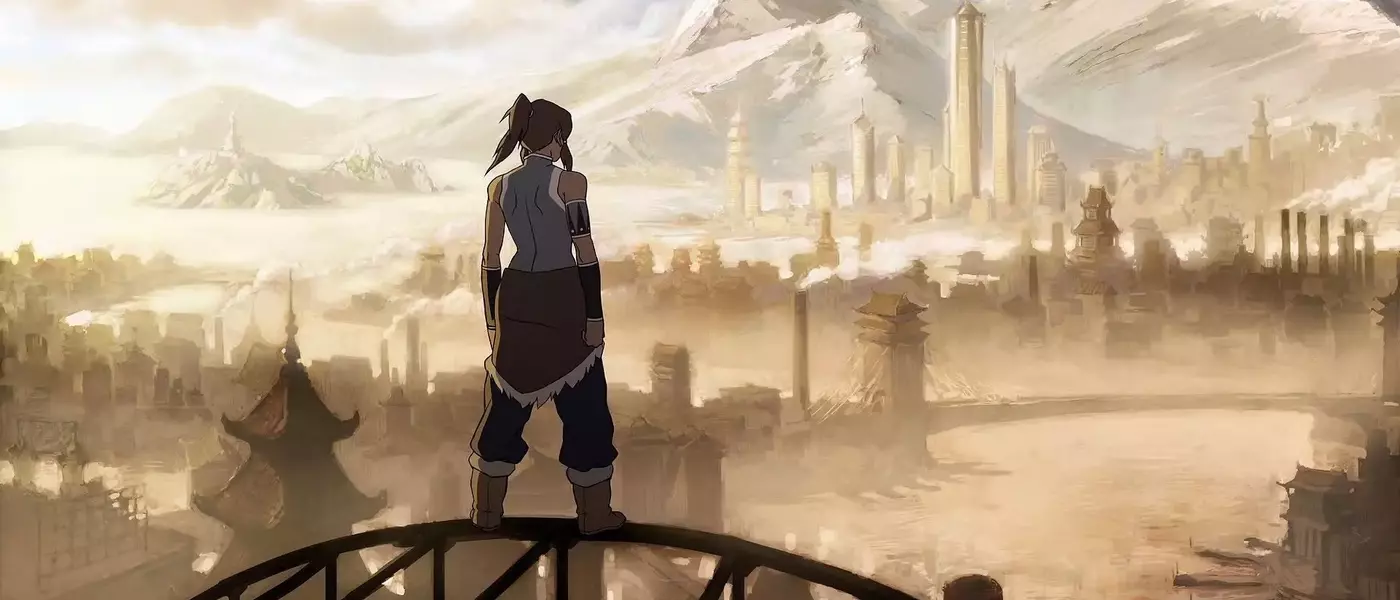
The third season of "The Legend of Korra," aptly named "Book 3: Change," marks a pivotal moment in the Avatar's journey, illustrating her transformation from an impetuous youth to a more mature leader. This period explores the profound ramifications of her decision to keep the spirit world portals open, a choice that redefines the balance between the physical and spiritual realms. As new airbenders emerge across the globe and a formidable new adversary, Zaheer, rises, Korra is compelled to confront not only external threats but also the internal struggles of leadership and personal growth. The season is celebrated for its stunning animation, intricate character development, and its exploration of complex themes, presenting a nuanced view of what it means to bear the weight of the world's fate.
Following the Harmonic Convergence, an event that suffused the world with spiritual energies, Korra's choice to maintain open spirit portals ushers in an era of unprecedented change. Spirits now intermingle with humans in Republic City, and, more significantly, the ancient art of airbending resurfaces among unexpected individuals, rekindling a long-dormant culture. This new reality, while fostering harmony between worlds, also brings forth the season's most compelling antagonist, Zaheer, a newly awakened airbender and a member of the enigmatic anarchist organization, the Red Lotus. Their aim is to dismantle existing world orders and eradicate the Avatar cycle, presenting Korra with her most challenging ideological and physical adversaries yet.
Zaheer's escape from a high-security prison, facilitated by his newfound airbending abilities, leads to the liberation of his equally formidable companions: Ghazan, a lavabender; Ming Hua, a waterbender with unique combat techniques; and P'li, a combustion bender. These villains are distinguished by their seasoned experience and a chilling commitment to their anarchistic ideals, making them stark contrasts to Korra and her comparatively younger allies. While Korra endeavors to reestablish the Air Nation by gathering new airbenders, the Red Lotus embarks on a campaign to sow chaos, forcing Korra to grapple with the ethical ambiguities of leadership and the consequences of her actions.
The season excels in its portrayal of intense and visually spectacular bending battles, particularly benefiting from Studio Mir's dedicated animation throughout. Characters like Ming Hua, who crafts water arms in lieu of her own, and P'li, whose combustion bending is accompanied by a distinctive high-pitched hum, are rendered with memorable designs and innovative combat styles. Beyond the spectacle, the narrative delves into the personal evolution of Korra, exploring her relationships beyond romantic entanglements and allowing her to develop a deeper understanding of those around her. This includes interactions with figures like Suyin and Lin Beifong, enriching her character arc and demonstrating a growing selflessness. The creators themselves acknowledged this intentional development, noting Korra's journey towards a more altruistic perspective.
Ultimately, "Book 3: Change" culminates in a bittersweet victory for Korra. Having once again safeguarded the world, she finds herself physically and emotionally depleted, poisoned by the Red Lotus and confined to a wheelchair. Yet, amidst her recovery, she witnesses the resurgence of the Air Nomads, a testament to her world-altering decisions. This season profoundly teaches Korra that even the most significant triumphs often come at a great personal cost, embodying the complex and often challenging realities of adulthood and responsibility. The enduring legacy of this season lies in its exploration of maturity, the intricate dance between order and chaos, and the personal sacrifices inherent in shaping a new world.