
Farm Tractor Achieves Unexpected Speed Record at F1 Circuit
 Jeremy Clarkson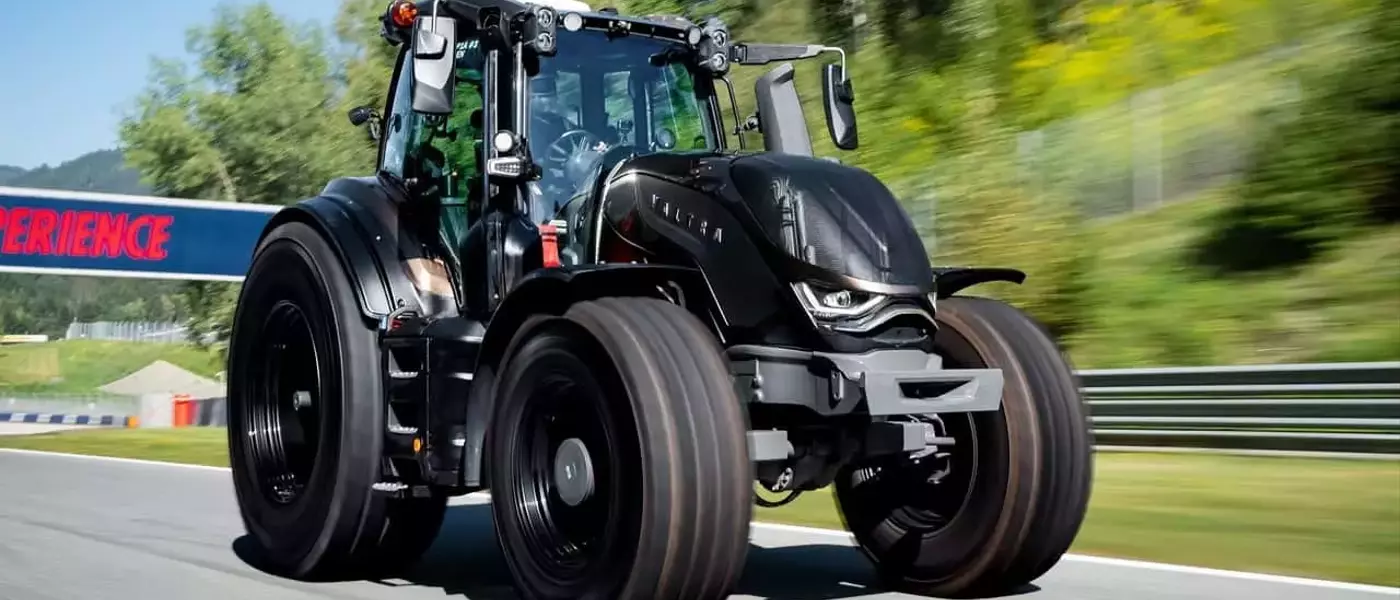
A remarkable event recently unfolded at Austria's renowned Red Bull Ring, an established Formula 1 circuit, where a standard farm tractor achieved an unexpected speed record. The Valtra T236, a 245-horsepower agricultural machine from Finnish manufacturer Valtra, completed a full lap of the track in an impressive 3 minutes and 36.4 seconds, reaching a peak speed of 54 mph on the main straightaway.
This extraordinary performance, independently confirmed by Red Bull Racing, transforms the heavy-duty farm equipment into an unlikely contender on a professional race circuit. The T236, powered by an AGCO Power CORE75 7.5-liter six-cylinder diesel engine, boasts 245 horsepower and 873 pound-feet of torque, representing the highest output in Valtra's latest T Series lineup. The attempt was meticulously filmed by Nokian Tyres and Valtra, with footage clearly displaying the tractor's top speed as it crossed the finish line. While this specific setup was tailored for high-speed operation on a closed course, it served as a powerful demonstration of the tractor's underlying drivetrain capabilities.
The achieved speed significantly surpasses the T236's typical road-legal limit of 35 mph, emphasizing that this record-breaking run was a specialized test under controlled conditions, not indicative of its everyday operational configuration. In contrast to its track performance, Valtra also showcased the T Series' practical application by demonstrating the tractor pulling a Väderstad Tempo 12-row seed planter in a field. In this real-world scenario, the tractor operated at a more conventional 25 mph, maintaining over 95 percent planting accuracy, highlighting its dual capabilities for both exceptional power demonstration and efficient agricultural work.
This innovative display of power and precision reminds us that potential often lies hidden in the most unexpected places. It challenges conventional perceptions and encourages a broader understanding of what machinery can achieve when pushed beyond its intended boundaries, demonstrating ingenuity and pushing the limits of engineering.