
Filmmaker Tsai Ming-liang Discusses 'Dust', Slow Cinema, and His Collaboration with Lee Kang-sheng
 Guillermo del Toro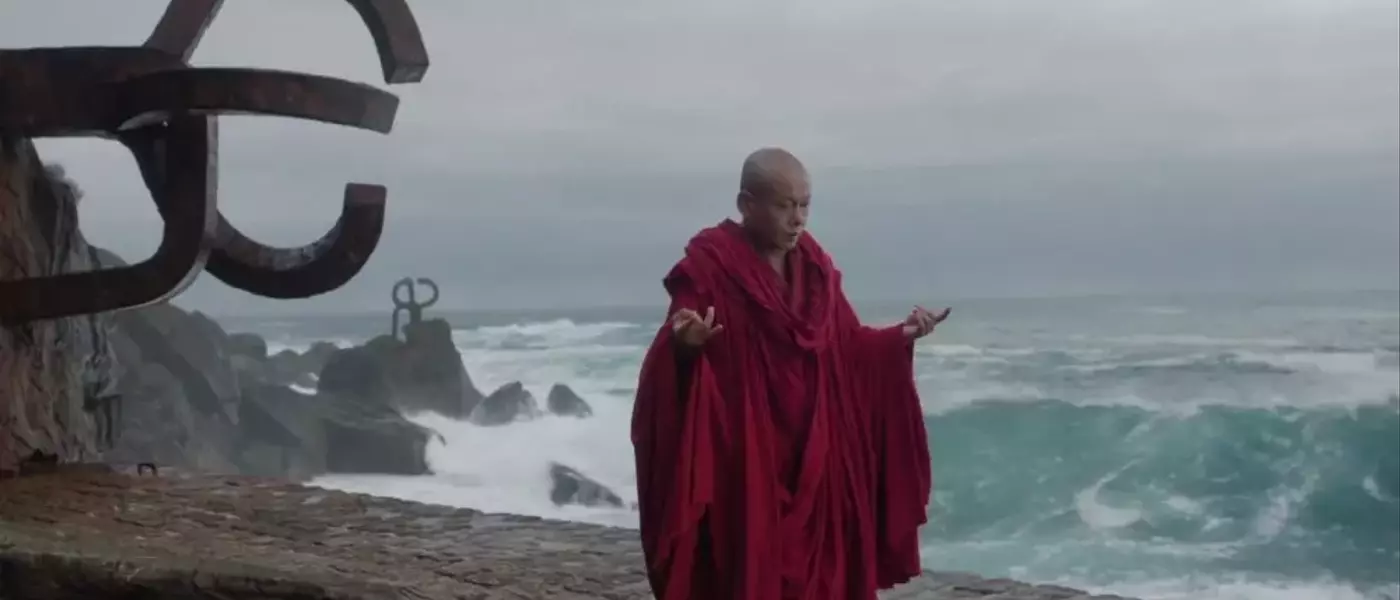
Internationally acclaimed director Tsai Ming-liang is once again captivating audiences with his distinctive slow cinema. His latest work, "Dust," the eleventh film in his contemplative "Walker" series, is set to premiere at both the Venice Film Festival and the San Sebastian Film Festival. This installment marks a significant step as the iconic barefoot monk, portrayed by Lee Kang-sheng, embarks on his silent, deliberate journey through the landscapes of Spain, moving from the shores of La Concha to the sculptural installations of Chillida Leku and the majestic Peine del Viento.
The genesis of this enduring project dates back to a powerful stage performance by Lee Kang-sheng over a decade ago, which inspired Tsai to move beyond traditional narrative filmmaking. He found profound beauty and strength in Lee's measured movements, leading him to explore cinema as a form of pure visual expression, emphasizing a deliberate pace. Tsai explains that this intentional 'slowness' serves as a method for profound engagement, encouraging viewers to truly observe and connect with what is on screen, rather than merely processing information. This approach, he asserts, is an act of defiance against the fast-paced consumption of modern media.
"Dust" was realized through a collaboration between Vitrine Filmes and Homegreen Films, with support from various cultural organizations. Tsai meticulously scouted San Sebastian, drawn to its unique atmosphere, the rugged beauty of its Basque stone houses, and the dramatic interplay of light and shadow that enhances the Walker's red robe and shaved head against the city's backdrop. This profound and ongoing artistic partnership between Tsai and Lee, spanning more than 30 years, is more than just a cinematic endeavor; it is a chronicle of life's passage, documenting the subtle changes in Lee’s physical form over time, which Tsai considers a rare privilege.
Tsai's return to Venice, years after his Golden Lion win for "Vive L'Amour," underscores his commitment to pushing the boundaries of film. He challenges conventional expectations, advocating for a broader definition of cinema that embraces non-narrative forms. Despite perceptions that he may have ceased making films, Tsai emphasizes his continuous exploration of the medium's possibilities, particularly how it can convey meaning beyond conventional storytelling. He sees a growing openness among younger audiences to films that demand deeper engagement, which fuels his optimism. His collaborative process, including working with new international crews, further demonstrates his adaptable and forward-thinking approach. The "Walker" series, he believes, will continue as long as he and Lee Kang-sheng are able to create, with aspirations to explore new locations such as Jeonju, Korea. His future endeavors, though perhaps more focused, still aim to reunite with past collaborators, potentially crafting another narrative-defying film.