
Gap Inc. Redefines Brand Engagement Through Innovative Entertainment Strategy
 Tan France
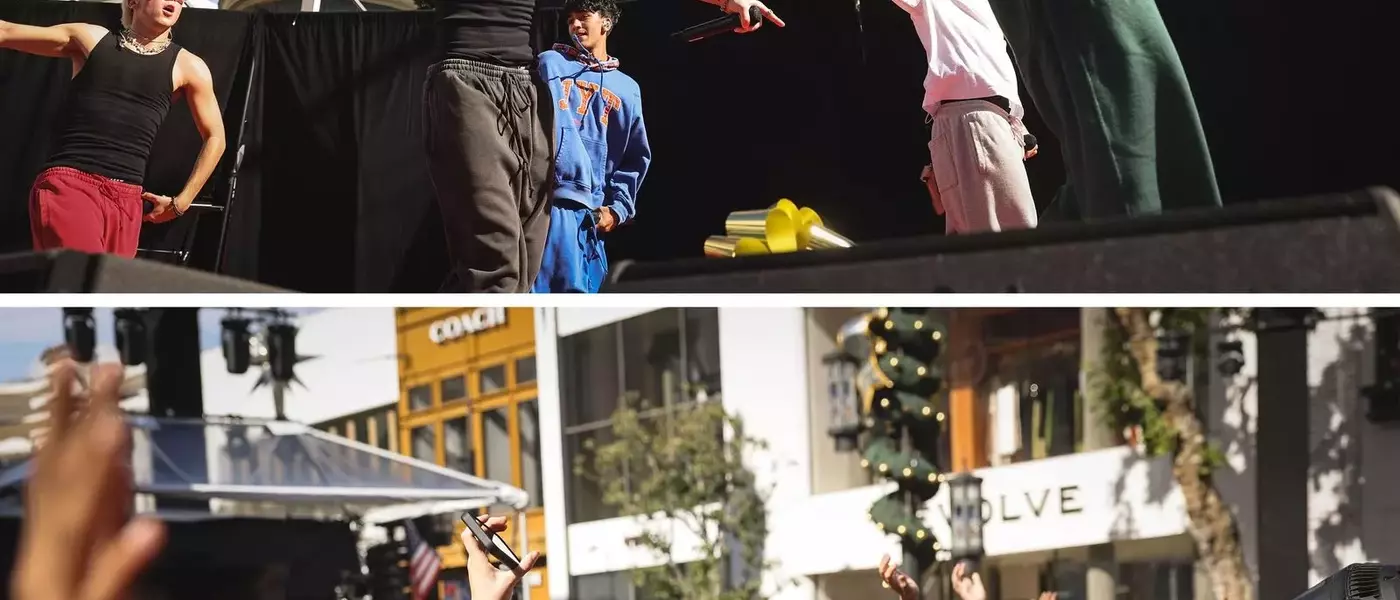
Gap Inc. is undergoing a significant transformation in its marketing and brand strategy, shifting focus from traditional retail models to deep cultural immersion. Spearheaded by newly appointed Chief Entertainment Officer Pam Kaufman and CEO Richard Dickson, the company aims to revitalise its iconic brands – Gap, Banana Republic, Old Navy, and Athleta – by weaving them into the fabric of contemporary entertainment. This innovative approach involves strategic partnerships with music, sports, and gaming entities, creating authentic narratives and experiential marketing initiatives designed to resonate with a new generation of consumers. The strategy leverages live events, such as a highly successful mall tour with the boy band JYT, alongside unique product collaborations, fostering a more engaging and culturally relevant brand presence. This bold pivot follows a period of fundamental restructuring under Dickson, setting the stage for a creative renaissance rooted in genuine consumer dialogue and agile cultural responsiveness, positioning Gap Inc. as a leader in experience-driven retail.
Gap Inc.'s Strategic Cultural Integration: A New Blueprint for Brand Resonance
In a groundbreaking move for the retail sector, Gap Inc. is reshaping its engagement model by appointing Pam Kaufman as its inaugural Chief Entertainment Officer, a role she commenced in January. Kaufman brings two decades of experience from powerhouses like Nickelodeon and Paramount Global, where she honed her expertise in orchestrating impactful brand collaborations. Her arrival marks a new chapter for Gap Inc., working alongside CEO Richard Dickson, who joined in 2023 from Mattel, to cultivate a dynamic entertainment strategy across its diverse portfolio, which includes Gap, Banana Republic, Old Navy, and Athleta.
This innovative direction signifies a departure from conventional retail marketing, embracing the pervasive influence of culture, encompassing realms from sports and music to gaming and Hollywood. It's a strategy made viable by Dickson's initial three years at the helm, during which he meticulously streamlined Gap's inventory and recalibrated its discounting practices. With a solid operational foundation now firmly in place, the company is poised for more adventurous and engaging initiatives.
A prime example of this fresh approach is Gap’s partnership with JYT, an emerging American boy band. This collaboration goes beyond mere product placement; it encompasses a series of interactive mall tours, a docuseries chronicling the band's journey, and a unique capsule collection designed by the band members themselves. The choice of a mall tour is particularly symbolic, harkening back to Gap’s origins as a quintessential mall brand, thereby re-establishing a nostalgic yet contemporary connection with its audience, particularly Gen Z and Gen Alpha who seek out live, immersive experiences. Early reports indicate overwhelming enthusiasm, showcasing the potency of reviving the iconic American boy band concept within a modern brand context.
During their joint interview at the Vogue Business Global Summit in New York, both Dickson and Kaufman underscored the paramount importance of relevance in today's fiercely competitive retail landscape. Dickson, drawing from his past triumphs in blending brands with entertainment at Mattel, articulated that every brand tells a story, and the key is to narrate these stories where consumers naturally congregate, offering content that is both pertinent and authentic. He emphasized that Gap's inherent DNA, rooted in celebrating music, originality, identity, and individuality, makes this entertainment-led path a natural and organic extension of its heritage.
Kaufman further elaborated on the versatility of the strategy, noting that cultivating brand fandom for clothing labels isn't fundamentally different from fostering affection for entertainment IPs like Barbie or SpongeBob. It involves deciphering what makes each brand intrinsically significant and then amplifying that through strategic licensing, content creation, and experiential activations. The duo acknowledged that while consumer loyalty in fashion can be fleeting, genuine dialogue and continuous surprise and delight are crucial for fostering enduring relationships. They envision Gap's physical stores not merely as retail outlets but as vibrant stages for cultural experiences, transforming them into hubs where customers can interact with the brand in novel, exciting ways.
Acknowledging the inherent risks, Dickson emphasized the necessity of agility and a culture that encourages calculated chances. He asserted that while strategies can be replicated, a robust internal culture—one that promotes transparent collaboration and a willingness to address challenges—is the true differentiator. This internal preparedness, coupled with a discerning approach to partnerships, ensures that Gap Inc. selects collaborations that genuinely align with its brand ethos and yield meaningful, long-term impact rather than fleeting engagements.
This pioneering shift by Gap Inc. towards an entertainment-centric model offers profound insights into the future of brand building. In an increasingly fragmented and experience-driven market, the traditional monologue of advertising has given way to a dynamic dialogue with consumers. Brands that can authentically embed themselves within cultural currents, providing immersive and relatable experiences, are better positioned to capture attention and cultivate lasting loyalty. Gap’s strategy exemplifies how even established enterprises can rejuvenate their identity and relevance by embracing creative risk-taking and fostering genuine connections, transforming their offerings from mere products into compelling cultural narratives that resonate deeply with diverse audiences.