
Hackers: A Cult Classic That Defined 90s Cyberculture
 Jane McGonigal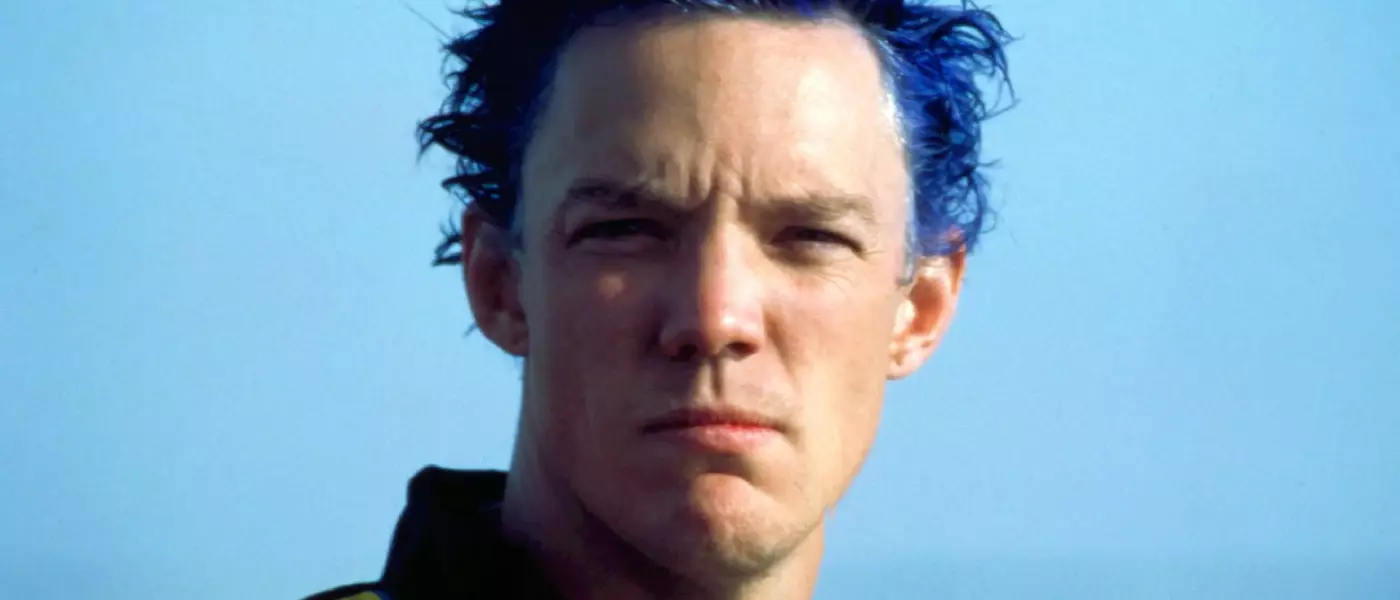
"Hackers," the 1995 cyber-thriller, continues to fascinate audiences with its unique blend of technology, counterculture, and compelling performances. Matthew Lillard, known for his dynamic presence in films ranging from horror to comedy, delivers an unforgettable performance as Emmanuel Goldstein, also known as Cereal Killer. The movie’s storyline revolves around a group of teenage hackers who stumble upon a corporate embezzlement plot while uncovering a dangerous computer virus. Framed for a crime they didn't commit, they must use their combined digital prowess to expose the true mastermind. Lillard's character, initially presented as a quirky burnout and conspiracy theorist, evolves into a pivotal hero, demonstrating a depth beyond his initial chaotic persona.
Lillard's portrayal of Cereal Killer stands out in a cast that includes Jonny Lee Miller and Angelina Jolie, each contributing to the film's vibrant energy. His ability to maintain a chaotic yet endearing demeanor, even while exposing a multi-million-dollar corporate theft on live television, underscores his unique talent. The film itself is a visual spectacle, bathed in neon lights and dynamic camera work, transforming New York into a digital playground. It doesn't aim for realism but rather captures the mythological essence of the internet as a new, untamed frontier. This distinctive style, combined with the energetic performances, solidifies "Hackers" as a definitive piece of 90s cinema, portraying the internet's early days as a realm understood primarily by its rebellious youth.
More than just a narrative, "Hackers" is a testament to the personality and irreverence of early cyberculture. The movie's charm lies in its embrace of exaggerated virtual reality effects, techno-slang, and a fantastical plot, all of which now serve as delightful nostalgic markers of 1995. This deliberate anachronism elevates its status from a mere film to a cultural artifact, capturing the raw, unregulated spirit of the internet before commercialization. The enduring cult following of "Hackers" is a testament to its commitment to a wild fantasy of the future, offering a silly, chaotic, and uniquely stylized glimpse into a bygone era of digital exploration.
The film's playful spirit and its celebration of youthful rebellion against corporate overreach continue to resonate. It reminds us that even in the face of complex technological challenges, creativity, collaboration, and a dash of irreverence can lead to profound and positive change. "Hackers" champions the idea that innovation often emerges from the fringes, driven by those who dare to challenge the status quo and envision new possibilities. It's a vibrant ode to the power of collective ingenuity and the thrill of exploring uncharted territories, both digital and societal.