
Honda and Nissan Forge Software Alliance, Not a Merger
 Michele Acquaragia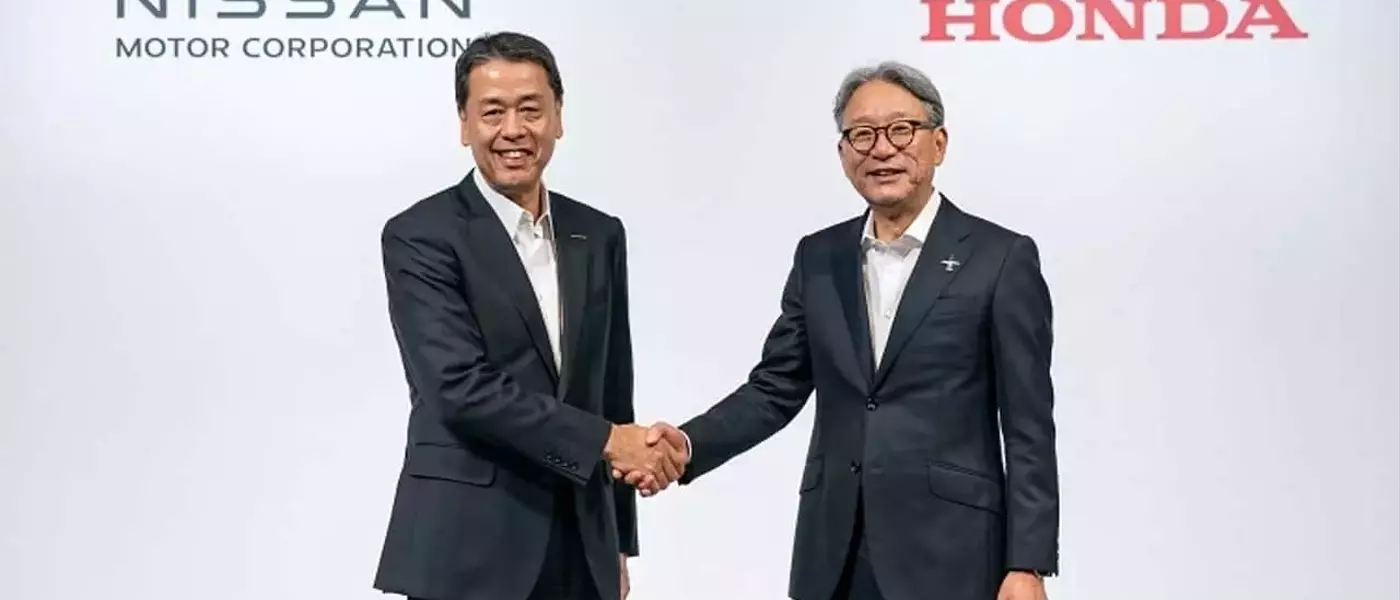
Japanese automotive giants Honda and Nissan have forged a significant alliance, though not in the form of a merger as once speculated. This collaboration centers on the joint development of crucial automotive software, an endeavor expected to standardize various electronic components and operational systems across their future vehicle lineups. This strategic move is poised to enhance efficiency, cut down development expenses, and pave the way for advanced over-the-air functionalities.
Honda and Nissan's Strategic Software Collaboration
On August 31, Honda and Nissan formally inked an agreement to standardize a suite of essential electronic systems, encompassing electronic control units (ECUs), in-vehicle operating systems, middleware, and vehicle-control software. This unified architecture is slated for implementation in models scheduled for release in fiscal year 2029. This means that future gasoline, hybrid, and electric vehicles from both manufacturers will share a common software backbone, a move distinct from a full corporate integration or the creation of a new entity.
The collaboration specifically targets four critical layers of automotive electronics: core ECUs, the overarching in-vehicle operating system, integral middleware components that bridge hardware and applications, and the vehicle-control software. While reports suggest Nissan's technology will form the foundation for this new operating system and ECU setup, neither Honda nor Nissan has officially confirmed these specifics. Honda's regulatory disclosures affirm the 2029 timeline, noting that the financial impact on its consolidated results for the fiscal year ending March 2027 will not be substantial, implying that major expenditures will occur later.
Neither company has yet announced which specific models will first feature this integrated software. Honda has previously showcased its hybrid innovations in prototype sedans and SUVs, while Nissan's ongoing hybrid system advancements are expected to benefit from this shared computing platform upon their arrival. This alliance, though a significant step, is not a revival of past merger discussions that collapsed due to disagreements over control and structure. Honda's CEO has emphasized that this is a strategic partnership, not a precursor to a merger or a new financial tie-up. Both automakers are being deliberate in their collaborative efforts, focusing on specific, low-risk projects.
For consumers, this standardization promises a future where vehicles can receive more frequent feature updates post-purchase, similar to practices seen with Tesla and Chinese EV manufacturers. This capability ensures that cars remain current with the latest technological advancements, rather than being limited to their factory-installed features. While it's unclear whether an electric SUV or a hybrid sedan will be the first to showcase these advancements, both companies are now on a clear path toward a defined production timeline.
This strategic software partnership between Honda and Nissan represents a forward-thinking approach in the rapidly evolving automotive industry. By sharing software development, both companies can mitigate risks, accelerate innovation, and offer enhanced functionalities to consumers through seamless over-the-air updates. This move highlights a growing trend in the industry towards collaborative technology development, rather than outright mergers, as automakers seek to navigate the complexities of electrification and digitalization.