
Honda's TrailSport Line: Evolving Beyond Aesthetics
 Larry Chen
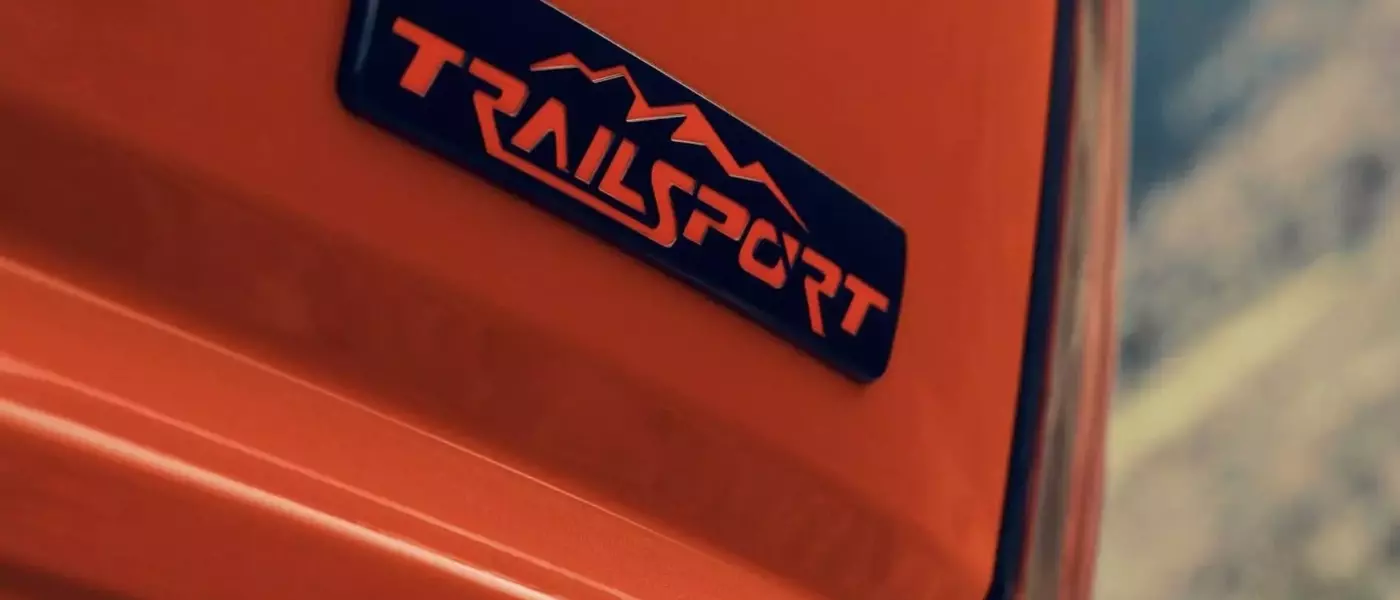
Honda's TrailSport badging, initially introduced in 2021 with the Passport, has primarily signified cosmetic enhancements like robust tires, distinctive trim, and colors inspired by outdoor adventure. However, this approach is undergoing a significant transformation. Honda's TrailSport division is moving away from merely superficial modifications, focusing instead on substantial engineering improvements. The objective is to equip future TrailSport models, beginning with the 2027 Passport TrailSport, with genuine off-road capabilities that extend beyond mere appearance, ensuring they perform effectively when traversing challenging landscapes.
The Core Transformation of TrailSport
Honda is revamping its TrailSport badge from primarily cosmetic modifications to significant engineering enhancements, aiming for authentic off-road performance. This strategic shift, driven by a team of dedicated off-road engineers and product planners, emphasizes practical utility over mere rugged aesthetics. Future TrailSport vehicles, starting with the 2027 Passport TrailSport, will feature upgraded suspension, increased ground clearance, and advanced traction systems, ensuring they are truly capable on challenging terrains.
Since its inception in 2021 with the Passport, Honda's TrailSport line has focused on a rugged aesthetic, incorporating features like aggressive tires and unique trim. However, this strategy is undergoing a fundamental shift. The company is now committed to integrating substantial engineering upgrades that genuinely enhance off-road functionality, rather than just offering a visually adventurous package. This evolution is spearheaded by a passionate group of Honda engineers and product developers, many of whom are seasoned off-roaders with extensively modified vehicles and professional certifications. Their expertise ensures that the upcoming TrailSport models will feature critical advancements in suspension geometry, ground clearance, traction management, and recovery provisions. This move is designed to make these vehicles truly capable on unpaved surfaces, transforming them from mere aesthetic statements into legitimate contenders for demanding off-road excursions, and bolstering Honda’s standing in the lucrative North American SUV market.
Future Horizons for TrailSport and Electrification
The transformation of the TrailSport lineup is poised to extend across several Honda models, including the next-generation CR-V and the 2028 Ridgeline, potentially integrating advanced hybrid powertrains. These powertrains, especially a V6-based hybrid system under development, could provide instant torque crucial for demanding off-road situations, enhancing the vehicles' performance on steep inclines and uneven terrain. This strategic direction, influenced by expert engineers and a growing demand for robust adventure vehicles, aims to cement Honda's position in the off-road segment, with potential collaborations even extending to Acura's future rugged models.
Honda's strategic vision for TrailSport extends beyond the Passport, with the next-generation CR-V, set for release next year, anticipated to receive comprehensive off-road enhancements. The Ridgeline is also slated for a new iteration in 2028, likely benefiting from component sharing with the Passport to bolster its rugged credentials. While the Pilot could also join the enhanced TrailSport roster, official confirmations are pending. Even Acura, Honda's luxury division, is exploring its own robust adventure model, suggesting a broader corporate commitment to the off-road segment. Furthermore, the integration of electrification is a key component of this future strategy. Honda is actively developing a V6-based hybrid system for its larger vehicles, which promises to deliver immediate torque, a critical advantage for tackling challenging off-road conditions such as rock crawling and steep ascents. This blend of engineering prowess and innovative power solutions, championed by Honda’s internal off-road specialists, is aimed at securing executive approval and establishing Honda as a formidable player in the competitive market for capable adventure vehicles, particularly in regions like the US where such vehicles are highly valued.