
The Impact of Player Choices in "Blood of Dawnwalker"
 Jane McGonigal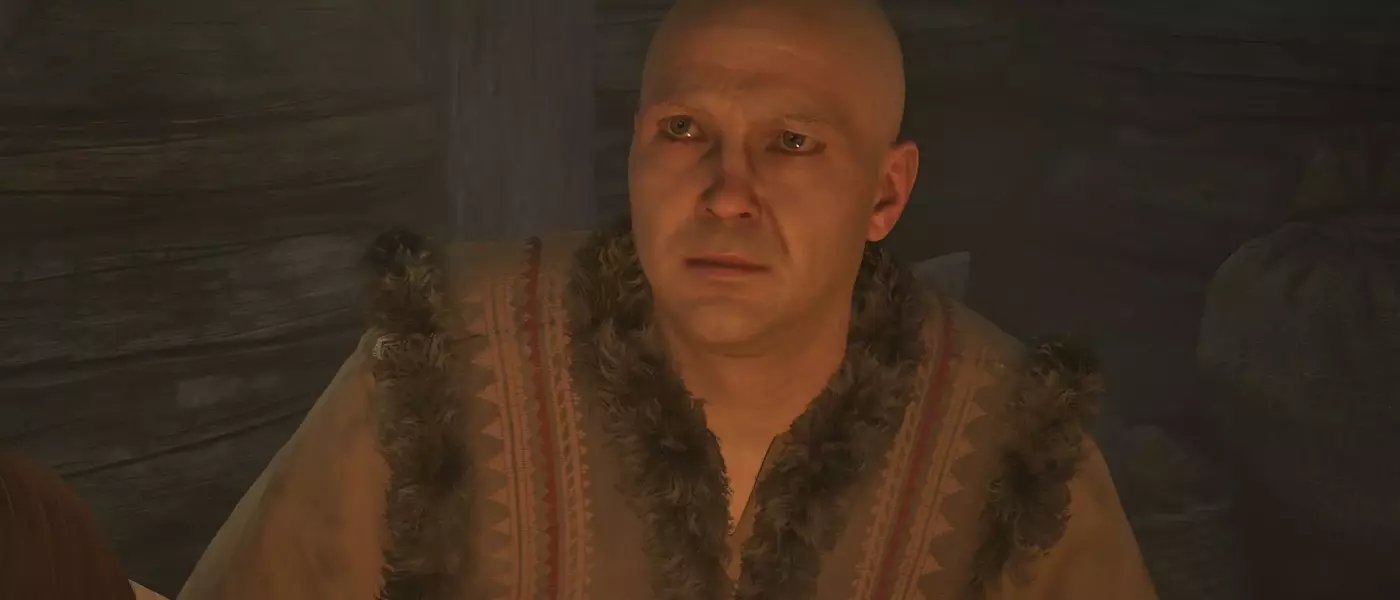
In the expansive world of role-playing games, every decision a player makes can feel momentous, especially those presented early on. "Blood of Dawnwalker" introduces such a moment concerning Esme, Coen's mother, challenging players to decide whether to intervene forcefully in her care. Despite the initial gravity of this choice, the game reveals that this particular crossroad, whether you opt to force-feed her or refuse, does not alter the overarching narrative significantly. It primarily functions as an early tutorial in the game's decision-making system, setting the stage for more impactful choices to come.
Regardless of the player's approach, Esme resists being fed, highlighting the futility of force in this specific context. Choosing to refrain from forcing food upon her leads to a slightly less distressing outcome for the character, though the immediate result remains consistent. This introductory decision underscores that not all choices carry equal weight in the unfolding saga, and some are designed more to familiarize players with the mechanics of moral and practical dilemmas within the game's universe.
The Immediate Consequences of Choosing to Force-Feed Esme
When presented with the option to physically make Esme eat, a player might understandably ponder the ethical implications and potential ramifications within the game's world. If the character attempts to force-feed her, the outcome is uniformly negative. Coen, taking up the spoon, makes an effort to feed his mother, only for Esme to vehemently reject the gesture. This rejection is not passive; she actively knocks the spoon away, subsequently breaking down into tears. This act deeply affects Pieter, the father, who expresses regret over the attempted forceful intervention, underscoring the emotional toll of such a decision.
Conversely, if the player chooses to "not feed her against her will," Pieter takes over the task. However, Esme's reaction remains consistent: she pushes the spoon away. While the physical outcome is identical, the emotional impact on Esme appears marginally less severe. This particular narrative branch reveals that the game intends to demonstrate the inherent futility of forcing an action upon her, serving as a tutorial for future choices. Importantly, this decision, irrespective of the path taken, does not create long-lasting changes or branch the storyline in any significant way.
The Long-Term Insignificance of This Early Decision
The initial dilemma concerning Esme's feeding in "Blood of Dawnwalker" is cleverly designed to appear pivotal, but its long-term impact on the game's progression is negligible. This early choice acts as an introduction to the game's choice mechanics, giving players a feel for how their decisions might influence character interactions and immediate reactions without committing them to a fixed narrative path. It teaches players that while their actions have consequences, some are contained within the immediate scene rather than dictating future events or relationships.
After the brief interaction, regardless of the player's choice, the story smoothly transitions to the next objective: Pieter instructs the player to seek out Anca for herbs needed for the evening's blood mass. This consistent progression demonstrates that the feeding decision primarily serves to establish character dynamics and the tone of the game's world. It highlights the importance of empathy and understanding in gameplay choices, even when the immediate practical outcomes are identical. The true weight of player decisions in "Blood of Dawnwalker" is reserved for later stages, where choices will indeed carve distinct narrative paths and shape the player's journey more profoundly.