
Luxury Brands Embrace Diwali: A Global Festival of Lights and Commerce
 Gloria Vanderbilt
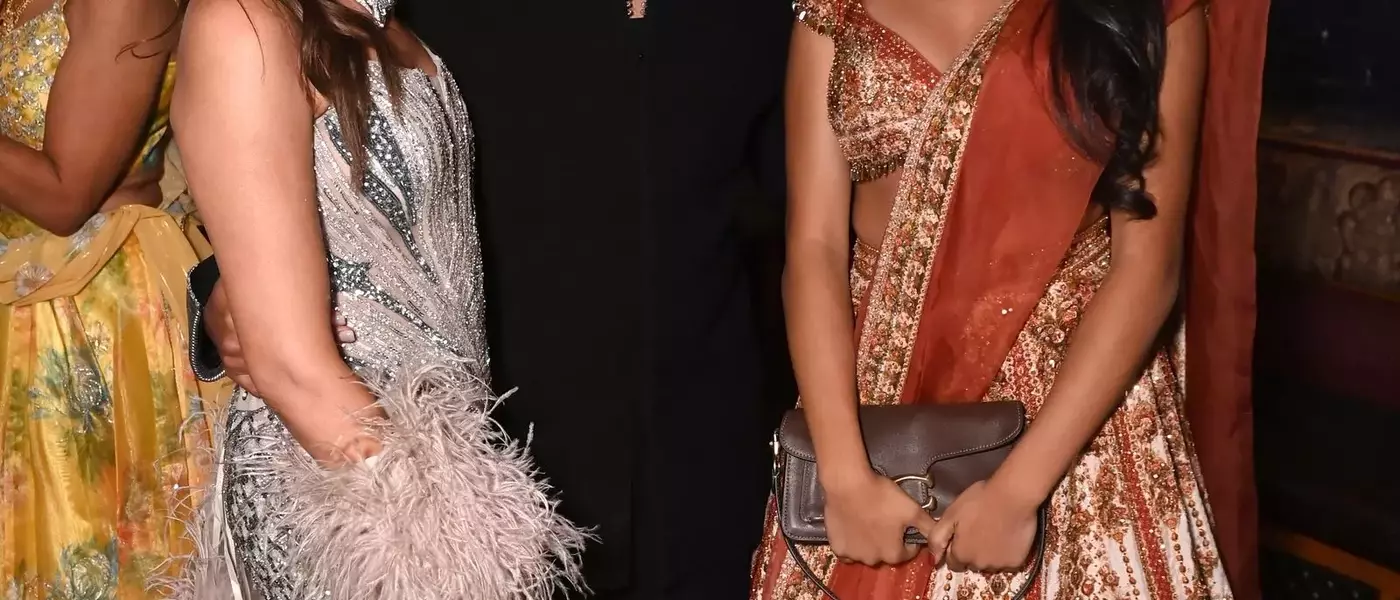
The Hindu festival of Diwali, a vibrant celebration of lights, is swiftly gaining prominence within the international luxury market. Major brands are increasingly recognizing its commercial potential and cultural significance, leading to a surge in dedicated initiatives. While regions like India are witnessing robust brand participation, there is a growing consensus that a more integrated and genuine strategy is needed to truly connect with the global Indian diaspora, particularly in key cities like New York, London, and Dubai.
Luxury Brands Illuminate Diwali Festivities Worldwide
Diwali, the Hindu festival of lights, celebrated over five days culminating in Lakshmi Puja on November 8th this year, has emerged as a crucial fixture on the global luxury brand calendar. Originating from the Sanskrit term for "row of lights," the festival is revered by Hindus, Jains, and Sikhs, signifying an auspicious period for gifting, new acquisitions, and jewelry purchases. India stands as one of the fastest-growing luxury markets globally, valued at approximately $12 billion, according to Euromonitor International's 2025 research, making it a prime focus for high-end labels seeking to engage affluent Indian consumers both domestically and internationally.
This year, India has witnessed unprecedented brand engagement during Diwali. Ferragamo launched its first country-specific Diwali collection, while Michael Kors hosted its fourth dedicated event across two cities. Valentino marked its third Diwali celebration in India, and Bvlgari initiated its inaugural global campaign with a gala event in Jaipur on October 11th. The Bvlgari campaign, titled "Passing the Light," featured an installation by artist Doyel Joshi, created from 4,500 terracotta elements in collaboration with local potters. This initiative aimed to symbolize the intergenerational transmission of traditions and extended into digital and retail experiences globally, showcasing a profound connection with Indian creative roots.
Beyond India, Diwali celebrations are also gaining traction. In New York, Sabyasachi's Diwali reception at the Metropolitan Museum of Art on October 21st marked a historic moment, while Cartier continued its annual Diwali event at its Fifth Avenue Mansion. Entrepreneur and influencer Anjula Acharia's "All That Glitters" ball, now sponsored by Lexus, has become a prominent fixture in the city's social calendar, serving to elevate the visibility of South Asian influence in mainstream culture. Publicist Jessel Taank's platform, Oushq, also hosted a Diwali event on October 19th in collaboration with Prakti Beauty and the CFDA, signaling an expansion of culturally relevant experiences.
In London, the UK-India Creative Circle (UKICC) hosted its annual Diwali celebration at the Royal Automobile Club on October 30th, featuring a couture show by Anamika Khanna and jewelry by Amrapali. Harrods dedicated a store-wide campaign to Diwali for the second consecutive year, including special gift boxes, live music, and a Diwali-inspired lighting display on its facade. Indian designers Gaurav Gupta, Abu Jani Sandeep Khosla, and Rahul Mishra also hosted various events and showcases in London, predominantly focused on retail activations.
However, despite these efforts, some regions are perceived as lagging. In Dubai, a significant hub for affluent Indian expatriates, there has been comparatively less brand activity. Industry experts like Mukta Shahdadpuri, founder of The Style Circuit, and Dipesh Depala, co-founder of luxury marketing agency Qode, have highlighted a disconnect, noting that while Indian consumers are significant spenders, brands often fail to engage them authentically during their most important cultural occasions. While Bloomingdale's Dubai continued its Diwali edits, calls for a more substantial, globally integrated approach, potentially involving major events with celebrity participation, underscore the desire for luxury brands to move beyond superficial gestures and truly embrace the cultural depth of Diwali.
The burgeoning engagement of luxury brands with Diwali underscores a pivotal shift in global marketing strategies. It highlights the growing recognition of India's economic power and the cultural influence of its diaspora. However, for these efforts to truly resonate, brands must cultivate a deeper understanding and respect for the festival's traditions. Moving beyond mere festive aesthetics and investing in genuine collaborations with local artists and communities, year after year, will be crucial. This not only fosters authentic connections but also positions Diwali as a truly global luxury moment, celebrated with the reverence and grandeur it deserves, thereby strengthening brand loyalty and driving sustained growth in this vital market segment.