
Milan Fashion Week Gala Celebrates Art and Italian Industry with Political and Fashion Elite
 Vivienne Westwood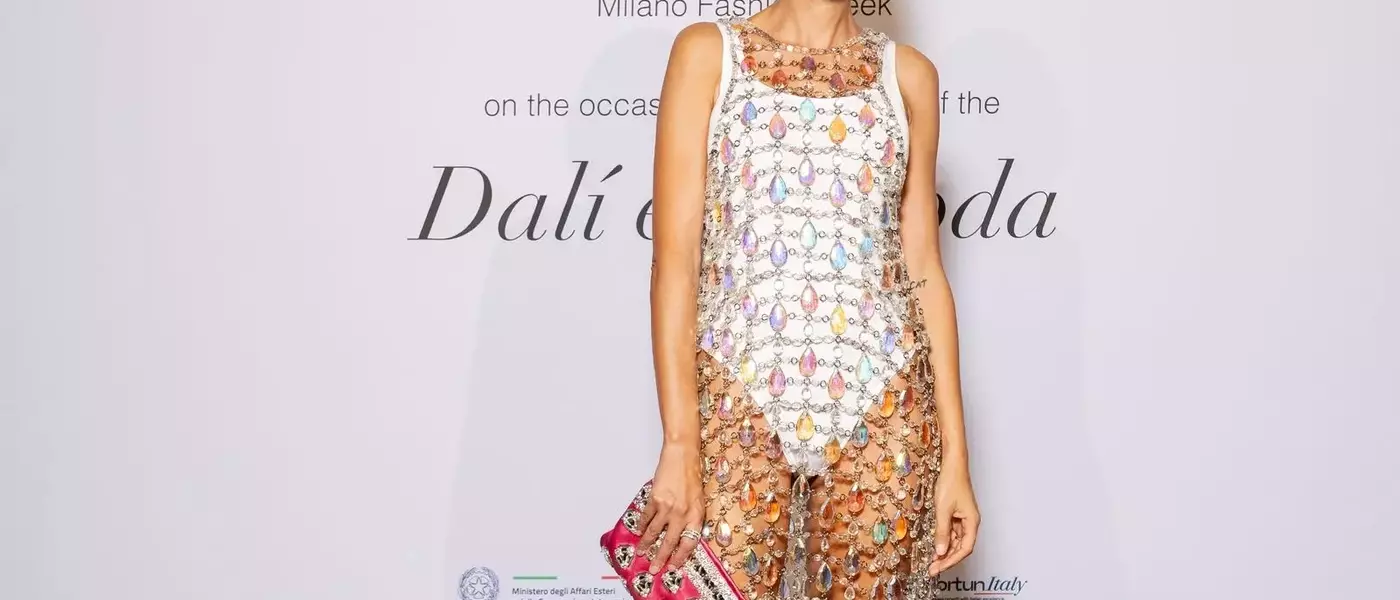
Following the spectacular “Vogue World 2026: Milano” event, which transformed the historic Galleria Vittorio Emanuele II into a vibrant runway, the fashion and political elite reconvened at Palazzo Reale for the highly anticipated annual Camera Nazionale della Moda Italiana (CNMI) gala dinner. This elegant affair officially kicked off Milan Fashion Week and served as a dual celebration, marking the inauguration of the captivating “Dalí and Fashion” exhibition. The fashion aspect of this unique exhibition was expertly curated by Judith Clark, the visionary behind the “Vogue World” show, further intertwining the worlds of art and haute couture.
Milan's Grand Fashion Overture: A Convergence of Power and Style
The CNMI gala, an event of considerable prestige, was orchestrated with the backing of the Italian Ministry of Foreign Affairs and International Cooperation, alongside the Italian Trade Agency, and in close collaboration with the Municipality of Milan. This strong institutional support underscored the economic and cultural importance of the fashion industry to the nation. The guest list was a testament to the event's significance, featuring influential figures such as Anna Wintour and Francesca Ragazzi from Vogue Italia, top executives from leading Italian fashion houses, renowned designers like Brunello Cucinelli, Gianvito Rossi, Alessandro Sartori, and J.J. Martin, and notably, Prime Minister Giorgia Meloni. Her attendance marked a significant moment, being the first time a sitting Prime Minister had graced Milan Fashion Week in a decade, highlighting a renewed governmental interest in and recognition of the industry's contribution to Italy's gross domestic product and employment.
The evening unfolded with an efficient yet luxurious pace, reflecting its dual purpose of celebration and strategic networking. Dinner, meticulously prepared by the three-Michelin-starred restaurant Da Vittorio, commenced swiftly after the scheduled start, indicating a streamlined approach. Carlo Capasa, chairman of the Camera Nazionale della Moda Italiana, articulated the profound appreciation for Prime Minister Meloni's presence, emphasizing the institutional acknowledgment of Milan Fashion Week and the global phenomenon of "Made in Italy." He further highlighted the fashion sector's substantial impact on Italy, contributing approximately 5% to the national GDP and providing livelihoods for around one million individuals. The culinary experience included an exquisite eggplant terrine antipasto, followed by Da Vittorio's iconic 'Paccheri alla Vittorio'—large pasta tubes immersed in a rich, creamy tomato sauce, perfectly complemented by Franciacorta brut cuvée and extra brut cuvée. Post-dinner, guests engaged in spirited conversation over a delightful selection of desserts, featuring 'Il lievitato di stagione,' a panettone-inspired cake, and cannoncini pastries, freshly piped with sweet cream. The evening concluded with an exclusive preview of the “Dalí and Fashion” exhibition, offering attendees a unique "night at the museum" experience before its public opening. This curated display magnificently chronicled Salvador Dalí’s groundbreaking explorations at the intersection of art and fashion, showcasing his diverse contributions from designing ballet costumes with Gabrielle Chanel and dressing guests for grand events with Christian Dior to pioneering fashion happenings with Paco Rabanne and his extensive visual collaborations with Vogue. As Ragazzi aptly observed, the connection between "Vogue World's" celebration of human imagination and the exhibition's tribute to artistic creativity was undeniably potent and impactful.
Salvador Dalí's Enduring Influence on Fashion and Art
Salvador Dalí’s deep engagement with fashion was not a mere sideline but an organic extension of his artistic vision, establishing him as a consistent and influential contributor to Vogue from the mid-1930s. His early contributions included illustrating a striking red chiffon evening gown for the magazine, where he masterfully integrated the garment into his signature surrealist landscapes through a unique photo-painting technique. This innovative approach quickly led to his first Vogue cover in 1939, featuring a captivating image of a woman whose head seamlessly transformed into a floral arrangement. Subsequent covers in 1944 and 1946 further solidified his reputation as a groundbreaking artist in the fashion realm, complemented by a series of distinctive fashion illustrations.
During this pivotal period, Dalí forged his most fruitful fashion partnership with Elsa Schiaparelli, a collaboration that saw his surrealist motifs brought to life in clothing, accessories, cosmetics packaging, and advertising campaigns. One iconic result was the Drawer-Suit, directly inspired by his "Venus de Milo with Drawers" sculpture, which was famously captured by Cecil Beaton for Vogue in 1936. A year later, Beaton’s portfolio for Wallis Simpson showcased another revolutionary creation: the Lobster Dress, with its distinctive red crustacean dramatically splayed across the skirt. This particular piece became one of fashion’s most enduring and recognizable embraces of Surrealism, permanently embedding Dalí's artistic legacy within the annals of haute couture and demonstrating the profound and lasting impact of his imaginative vision.