
Oasis: A Sentimental Journey Through Reunion and Fandom
 John Lasseter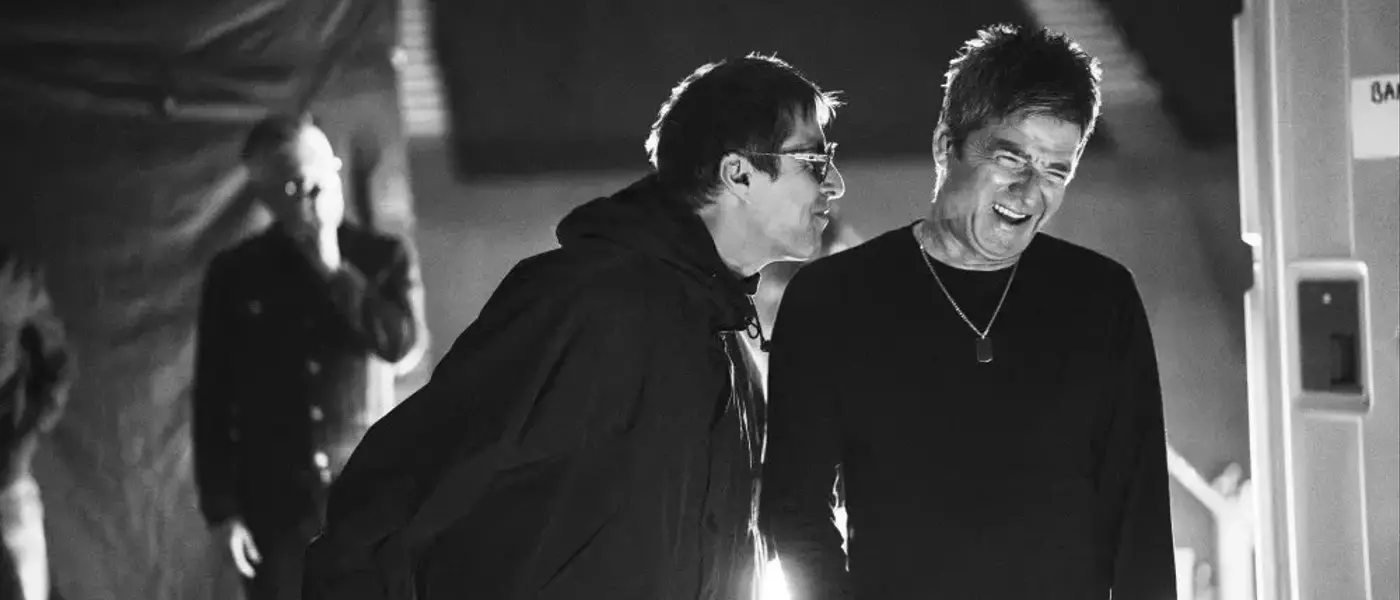
Relive the Roar, Embrace the Reverie: Oasis on Screen
The Unexpected Reunion: A Glimpse into the Gallagher Dynamics
The film commences with the highly anticipated reunion of the Gallagher brothers, a decade after their infamous split. Following the 2016 documentary "Supersonic," which intentionally omitted their fractured relationship, this new cinematic endeavor immediately places the brothers' estrangement at its core. Opening with a montage that includes footage of the notorious Rock en Seine incident where Oasis failed to perform, the scene shifts to the summer of 2025, showing the newly reunited band in rehearsal. The palpable tension surrounding Liam and Noel's confined six-week practice period is skillfully amplified through astute editing, creating an atmosphere of suspense regarding their interactions.
A Polished Portrait: The Absence of Raw Emotion
Despite the initial buildup of tension, the documentary, directed by Dylan Southern and Will Lovelace, ultimately shies away from portraying any major conflicts or explosive moments between the brothers. The filmmakers, known for their previous work like the Grammy-nominated Blur documentary "No Distance Left to Run," opt for a more restrained approach. The film avoids an unfiltered depiction of their often tumultuous relationship, steering clear of sensationalist anecdotes. Both Noel and Liam, despite their naturally candid personalities in new on-camera interviews, maintain a professional and somewhat distant demeanor, giving the impression of a carefully managed narrative. Their focus on the business aspect of the reunion, particularly Liam's uncharacteristic seriousness in rehearsals, aligns with the film's broader effort to mask its commercial motivations.
The Fandom Phenomenon: A Society Yearning for Escape
With the Gallagher brothers offering limited personal insights, a significant portion of the film's two-hour runtime is dedicated to exploring the band's fervent fanbase. The documentary could have benefited from a more retrospective analysis of Oasis's meaning in 2025, particularly in the UK, where the reunion tour symbolized a widespread longing for the 1990s amidst national crises like Brexit, Covid-19, and political instability. Instead, the film only briefly and ironically touches upon these societal elements. Liam humorously attributes the world's decline to Oasis's split, emphasizing that "people, more than ever now, they want to escape." This sentiment is vividly supported by ample footage of concert-goers, whose unbridled enthusiasm—singing, crying, and embracing—stands in stark contrast to the often-described detached Gen Z crowds.
Feverish Devotion: The Unyielding Power of Oasis's Live Shows
The intense devotion displayed by Oasis fans is further highlighted by comparisons to their triumphant 1996 Knebworth shows, indicating a consistently feverish level of fandom. The film explicitly illustrates this with a police security briefing before the first reunion gig, where the chief describes fans as exhibiting a "herd mentality similar to that of football crowds." This passionate engagement is a testament to the band's enduring appeal. However, the documentary's decision to pivot towards a more sentimental rather than visceral tone seems to be a curious choice given this context. While the concert footage and the powerful sound design are impressive, they are frequently interrupted by familiar platitudes from the brothers or short vignettes about fans worldwide, detracting from the raw energy of the performances.
An Awkward Embrace of Sentimentality: Missed Opportunities for Depth
The film's attempts to connect with the audience on a deeply personal level often feel forced and awkward. A particularly poignant but clumsily integrated segment features a survivor of the 2017 Manchester Arena attack, who found solace in Noel's "Don't Look Back in Anger." While well-intentioned, these individual stories clash with the brothers' more generic comments, making the emotional resonance feel less authentic. The overall earnestness of the film seems at odds with the Gallaghers' famously sharp-witted and often irreverent persona. A scene where a priest compares concert crowds to a pilgrimage, quoting scripture about forgiveness, feels particularly incongruous with the band's ethos. The bombastic narrative style, influenced by screenwriter Steven Knight, ultimately feels misaligned with Oasis's authentic spirit, leading to the perception of the film as a commercial venture.
The Commercial Undertone: A Critique of Authenticity
The repeated emphasis on Oasis's working-class origins, while factually correct, feels like another calculated attempt to evoke sentimentality, which runs counter to the band's raw authenticity. In an era where concert ticket prices often exclude working-class fans, this narrative point rings hollow and insincere. Despite this, the film still holds value for fans who missed the 2025 tour or wish to relive its emotional highlights. Yet, by presenting such a pivotal event in a overly polite manner, the documentary strips away some of the unique intensity and specificity that have cemented Oasis's lasting popularity. The opportunity to witness the brothers' notorious bragging and unfiltered personalities, which fans undoubtedly would have cherished, is noticeably absent, leaving a somewhat diluted portrayal of a band known for its unbridled energy and outspoken nature.