
PlayStation 6: Anticipated Release, Price, and Features Revealed
 Hideo Kojima
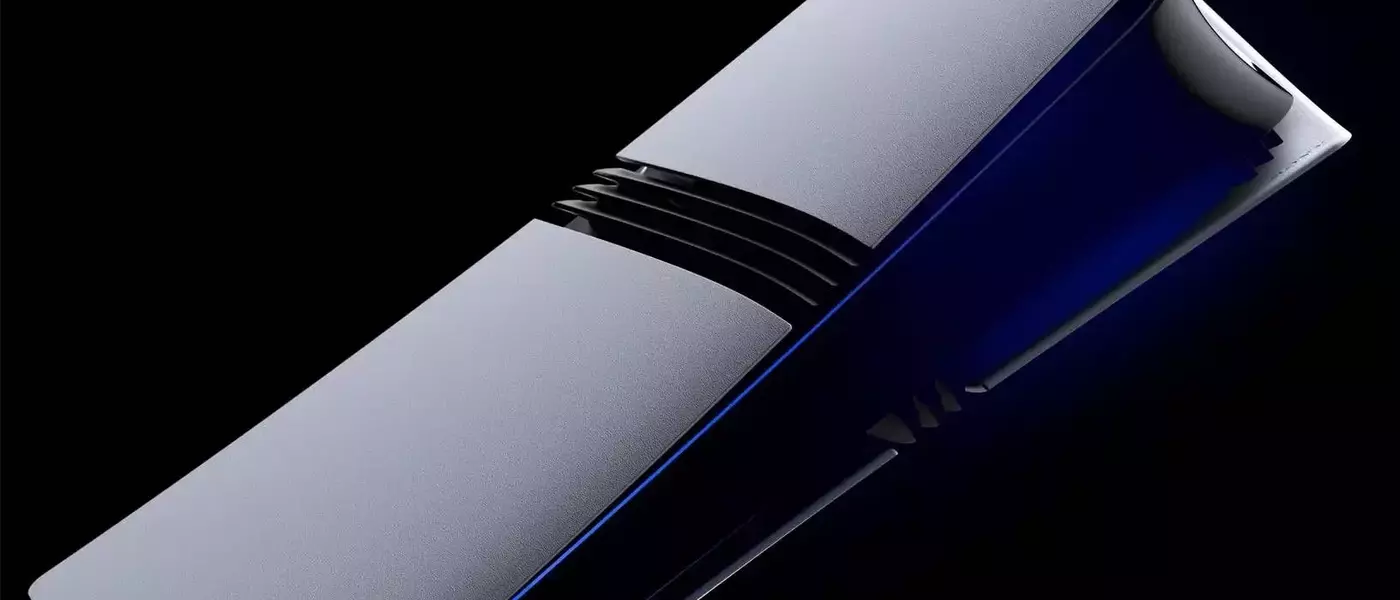
With the PlayStation 5 nearing its sixth year in the market, the gaming community is abuzz with discussions about its successor. This comprehensive overview compiles the most recent speculations and insights surrounding the PlayStation 6, covering its anticipated launch timeline, potential cost, technological advancements, and the future of gaming on Sony's next flagship console. The evolving landscape of game development and component shortages are key factors shaping its development and eventual unveiling.
Anticipating the Next Generation: PlayStation 6 Details Emerge
The gaming world is keenly observing developments surrounding the PlayStation 6. While an official announcement from Sony is yet to be made, industry insiders and trusted tech leakers, such as Kepler_L2, have provided significant insights into what gamers might expect. The console's release date, initially speculated for November 2027, appears to be shifting. Due to a global shortage of computer memory, heavily influenced by the booming AI data center industry, Sony is reportedly reconsidering, with potential launch windows now extending to 2028 or even 2029. This delay aims to ensure adequate chip supply and a more consumer-friendly price point.
Regarding pricing, the PS6 is projected to be a premium device. Current estimates suggest a price tag of around $1,000, primarily driven by the high cost of RAM and NAND memory, which alone are estimated to exceed $680. While this is substantial, reports indicate it could be approximately $200 less expensive to produce than Microsoft's next Xbox console, codenamed Project Helix, which is rumored to cost between $1,200 and $1,800. These figures reflect broader economic pressures, inflation, and the intense demand for microchips.
In terms of hardware, the PS6 is expected to leverage AMD's cutting-edge technology, specifically a custom iteration of its next-generation Zen 6 processor and the new RDNA 5 graphics unit for its GPU. This combination aims to deliver an immersive gaming experience, targeting 4K resolution at 120 frames per second with advanced ray tracing capabilities, though actual game performance will vary. Backward compatibility is also a strong probability, with the PS6 likely supporting PS5 and potentially PS4 games, maintaining continuity for players' existing libraries.
A notable shift could be the absence of a physical disc drive. With Sony planning to cease production of physical PlayStation game discs by January 2028, coinciding with the PS6's potential release window, digital-only games seem to be the future. However, an external disc drive module remains a possibility, offering backward compatibility for physical media and Blu-ray playback. Furthermore, patents hint at innovative controller designs, including modular layouts, touchscreen interfaces, or even haptic touch controls, signaling Sony's exploration into next-gen user interaction. The gaming lineup remains largely speculative, with titles like Marvel's X-Men being a likely PS6 exclusive, while others like Spider-Man 3 might see cross-generational releases or delays depending on the console's final launch timeline.
Navigating the Future of Gaming: A Thought-Provoking Evolution
The evolving narrative around the PlayStation 6 highlights a fascinating crossroads in the gaming industry. The challenges of component shortages and escalating development costs underscore the intricate balance console manufacturers must strike between technological advancement and market accessibility. As a gamer, the prospect of a $1,000+ console is daunting, yet the promise of unparalleled graphical fidelity and immersive experiences is undeniably enticing. The potential shift to an all-digital future for games also sparks debate; while convenient, it raises questions about game ownership and preservation. Sony's consideration of "changing business models" for its next console suggests a proactive approach to these industry shifts, aiming to adapt to a landscape where consumer expectations, technological limitations, and economic realities constantly intersect. It will be compelling to witness how Sony navigates these complex waters, ultimately shaping the future of console gaming for years to come.