
Predicting the Game of the Year Contenders for The Game Awards 2026
 Mark Rosewater
The race for Game of the Year at the upcoming 13th Game Awards is drawing to a close, with most major contenders already available. While Grand Theft Auto 6 is widely anticipated to be the frontrunner, this year's competition appears less formidable than initially expected. The Game Awards' voting criteria typically favor games with high Metacritic scores (ideally above 90), action-adventure and role-playing genres, and strong narrative elements, often overlooking indie and multiplayer titles in favor of AAA single-player experiences. Building on past successful predictions, this analysis identifies the most probable nominees and assesses their strengths, weaknesses, and current momentum in the lead-up to the December 10th ceremony. The list includes both currently released titles and anticipated releases that could still significantly impact the outcome.
This year's Game of the Year discussion includes a mix of established franchises and promising new titles. Games like Resident Evil Requiem, Phantom Blade Zero, and Fire Emblem: Fortune's Weave have garnered significant attention, each with distinct advantages and challenges. The Game Awards' unique voting patterns and genre preferences mean that even critically acclaimed games face hurdles. For instance, tactical RPGs often struggle to break into the main GOTY category, and licensed titles rarely receive top nominations. However, a few dark horses and upcoming releases, including the highly anticipated Grand Theft Auto 6 and a remake of The Legend of Zelda: Ocarina of Time, still have the potential to shake up the rankings and provide unexpected twists in the competition.
Top Contenders for Game of the Year 2026
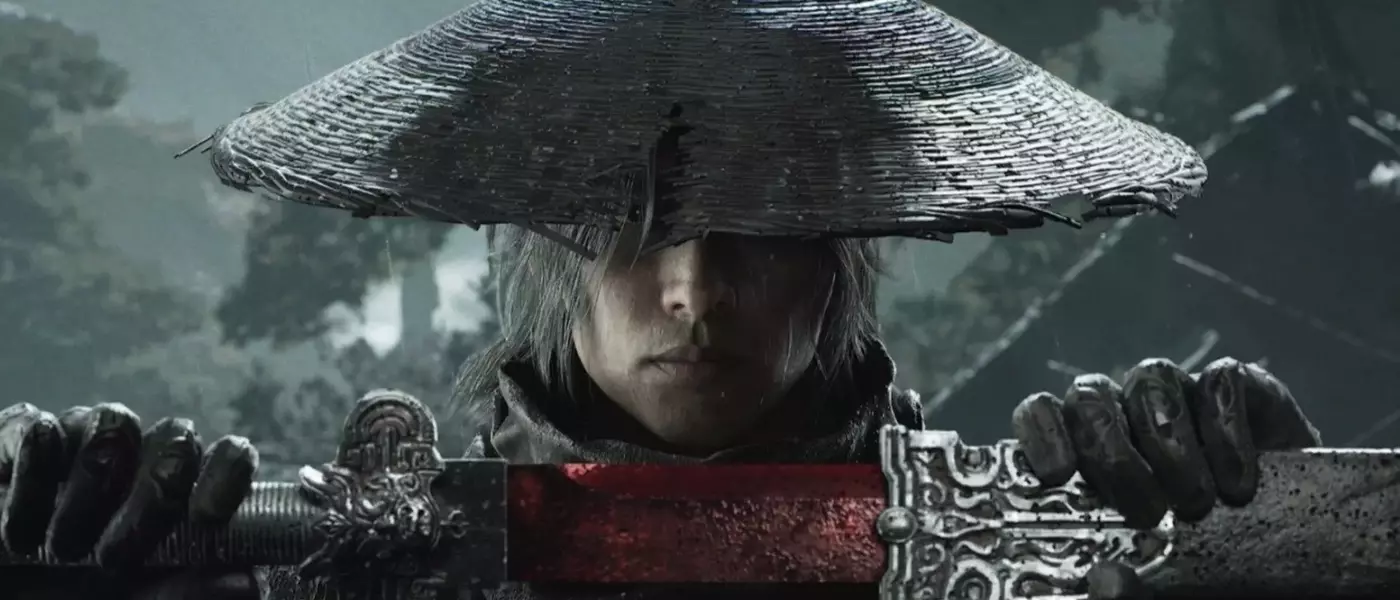
As the Game Awards 2026 draw near, several titles are vying for the prestigious Game of the Year accolade. Resident Evil Requiem, with its blend of fan-favorite elements and new gameplay, stands out as a strong candidate, boasting solid critical reception and consistent presence at past awards. Phantom Blade Zero, an impressive action game from a new Chinese studio, has made a significant impact with its visual flair and strong reviews, positioning it as a fresh face in the race. Fire Emblem: Fortune's Weave has garnered high praise for its storytelling and refined combat, making it a powerful contender within the RPG genre despite the historical underrepresentation of tactics RPGs in the main GOTY category.
Resident Evil Requiem continues the series' strong tradition at The Game Awards, combining elements of popular remakes with innovative new content. Its polished production, engaging narrative, and broad appeal make it a textbook Game Awards contender, despite a Metacritic score in the high 80s, which is slightly below the typical 90+ threshold for a guaranteed win. Its consistent performance and lack of strong direct competition in its genre further solidify its position. Phantom Blade Zero has emerged as a notable entrant, likened to past breakout hits, and has secured strong critical feedback in the high 80s and low 90s. Its success, however, depends heavily on public reception following its general release and its ability to distinguish itself from other strong action-adventure titles. Fire Emblem: Fortune's Weave has been lauded for its captivating story and enhanced combat mechanics, achieving an impressive 89 on Metacritic. The game benefits from growing recognition for authentic Japanese RPGs at the awards, though its tactical RPG nature could be a barrier, as such games are usually confined to strategy categories. Its recent drop in momentum, evidenced by missing a Golden Joystick Award nomination, poses a challenge.
Rising Stars and Potential Disruptors in the GOTY Race
Beyond the established frontrunners, several other games are showing significant promise or could act as disruptors in the Game of the Year competition. Big Walk, a co-op puzzle adventure, has earned exceptional critical acclaim with a Metacritic score of 91, surpassing many other titles on the list. Its innovative design and the developer's track record with award-winning games like Untitled Goose Game make it a formidable indie contender, especially given the success of other co-op titles at The Game Awards. 007 First Light, an action-adventure by IO Interactive, has also made a confident debut with a decent Metascore, blending cinematic appeal with unique social stealth gameplay, though licensed games historically face an uphill battle for GOTY nominations.
Big Walk's critical success and its developer's pedigree make it a strong dark horse. Its co-op nature, which has seen previous wins at The Game Awards, suggests it could appeal to jury members who enjoy collaborative gameplay experiences. However, the requirement for social organization to fully experience the game might be a drawback for some jurors. 007 First Light, despite a respectable Metacritic score of 87, faces the challenge of being a licensed game, a category that rarely secures GOTY nominations. While it delivers a slick, cinematic action-adventure experience infused with IO Interactive's signature social stealth, some reviewers have expressed reservations about the studio's shift towards a more commercial direction. Control Resonant, a sequel that diverged into an open-world action-RPG, received mixed responses despite a slightly higher Metacritic score than its predecessor. Its momentum has waned, suggesting it might struggle to secure a nomination unless its combat grind issues are effectively addressed. Additionally, a list of other dark horses, including The Blood of Dawnwalker and Star Wars Zero Company, as well as highly anticipated upcoming releases like Grand Theft Auto 6 and the remake of The Legend of Zelda: Ocarina of Time, still hold the potential to significantly alter the Game of the Year landscape. The eligibility deadline for GTA 6, just days before the awards, could make its impact particularly dramatic.