
The Rise of Merchandise: How Cultural Affiliation is Redefining Luxury Spending
 Diane von Fürstenberg
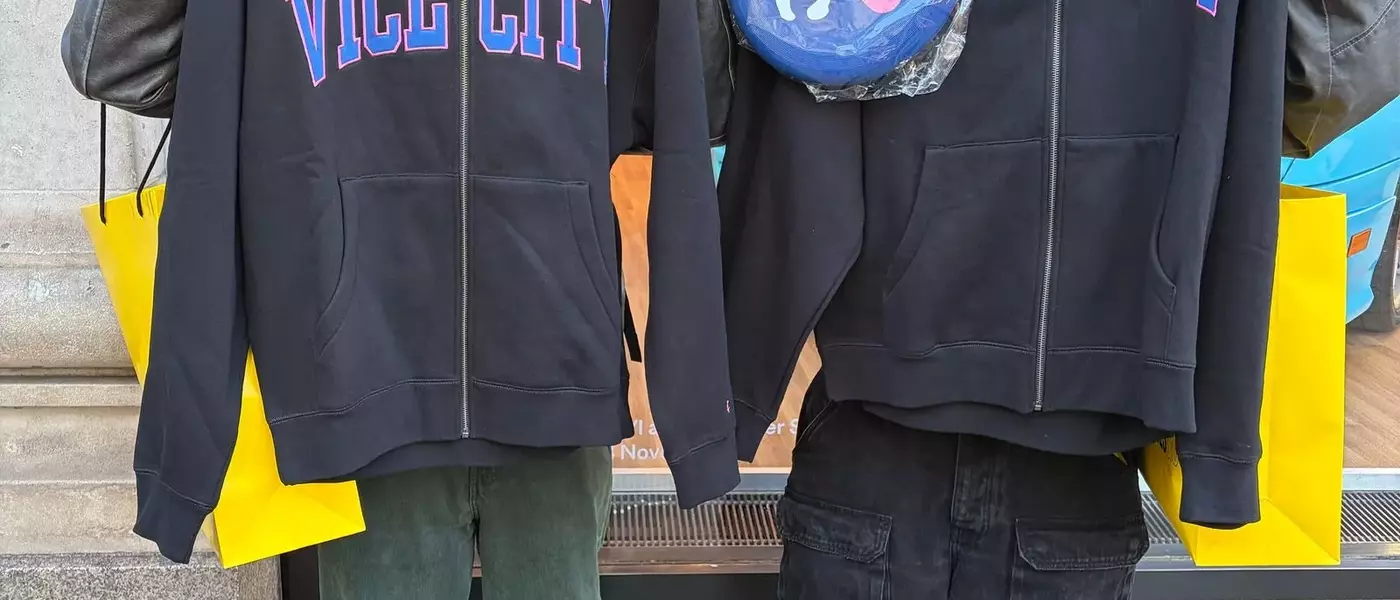
A significant shift is occurring in consumer spending habits, particularly among younger, middle-income demographics, as they increasingly opt for cultural merchandise over traditional accessible luxury items. This transformation indicates a deeper desire to signal affiliation with popular cultural phenomena, digital trends, or specific communities, moving beyond the conventional markers of status. Brands are now strategically focusing on creating ephemeral yet impactful merchandise that resonates with these evolving consumer values, effectively transforming products into transient cultural statements. This new landscape prioritizes immediate cultural relevance and a sense of belonging, challenging long-held perceptions of what constitutes valuable consumer goods.
This emerging trend also impacts how brands build loyalty and engagement. For businesses, the emphasis has moved from merely offering high-quality products to crafting immersive experiences and fostering strong community ties through their merchandise. Successful initiatives leverage authenticity, exclusivity, and timely collaborations to connect with consumers on a more personal and cultural level. Whether through gaming franchises, beauty lines, or tech companies, merchandise acts as a tangible link to a broader 'world' or subculture, enabling individuals to express their identity and connect with like-minded peers. This strategic pivot highlights the power of shared cultural codes and experiences in driving consumer desire and redefining brand-consumer relationships.
Cultural Currency: Merch as the New Status Symbol
Younger consumers, particularly those with moderate incomes, are visibly reallocating their discretionary spending. Instead of investing in established accessible luxury brands like Coach or Longchamp, their budgets are increasingly directed towards diverse forms of merchandise. This encompasses items from popular cultural touchstones, including sought-after gaming franchises, signature pieces from influential beauty lines, and even apparel from independent film productions. The underlying motivation is a strong desire to outwardly demonstrate alignment with specific cultural movements, fleeting digital phenomena, or niche communities. Unlike traditional luxury goods, which historically conveyed wealth or enduring style, modern merchandise provides an instant, tangible connection to current trends and shared experiences. This allows individuals to convey their 'in-the-know' status and personal inclinations in a more dynamic and economically accessible manner. Consequently, this evolving trend challenges conventional definitions of value, placing a higher premium on cultural resonance and fleeting popularity over inherent material worth or established brand heritage.
A deeper examination reveals both economic and psychological factors driving this significant consumer transition. As the price point for traditional luxury items continues its upward trajectory and overall consumer confidence remains cautious, merchandise emerges as an appealing alternative for aspirational shoppers. A branded windbreaker from a trending beauty line or a limited-edition t-shirt from a blockbuster gaming release can effectively fulfill the same innate desire for social signaling and community affiliation as an expensive high-end handbag, but at a substantially lower financial outlay. This phenomenon gains considerable traction through social media platforms, where showcasing cultural affiliations via distinctive merchandise generates significant social capital and reinforces an individual's identity within their peer group. Brands are acutely aware that investing in the creation of unique 'moments in time' and cultivating an aura of exclusivity around their merchandise can yield more profound consumer engagement and loyalty than merely developing new product lines. This strategic reorientation underscores a fundamental shift in how younger generations perceive and acquire value, increasingly favoring experiences and shared identities over overt displays of wealth.
Beyond Products: Crafting Community and Identity Through Merchandise
This segment explores the profound evolution of merchandise, moving past its initial role as simple brand promotion to become a potent instrument for cultivating community and facilitating personal expression. For sectors primarily dealing in intangible offerings, such as advanced technology (e.g., artificial intelligence platforms, semiconductor manufacturers) or digital entertainment (e.g., video games), physical merchandise provides an essential tactile link for their dedicated fan bases. It enables enthusiasts to literally embody their allegiance, translating abstract admiration into a concrete, visible declaration of identity and belonging. The efficacy of merchandise is increasingly intertwined with its capacity to represent an entire 'world' or subculture, rather than merely existing as a standalone product. This fosters a deeper, more immersive bond between consumers and the brands or cultural phenomena they admire, transforming them from passive consumers into active participants and passionate advocates of a shared identity.
Further scrutiny reveals the sophisticated strategic approaches brands deploy to successfully harness merchandise for robust community building. The core tenets of success lie in authenticity, exclusivity, and an in-depth understanding of the target audience's core values and unique cultural codes. Strategic collaborations with pertinent artists, creative minds, or influential subcultural figures can imbue merchandise with genuine credibility and heightened desirability. The implementation of limited-edition drops, items exclusive to specific events, and designs that incorporate insider knowledge or particular lore cultivates a powerful sense of exclusivity and a 'you had to be there' ethos, which significantly elevates perceived value. This sophisticated approach transcends generic branding, resulting in items that serve as veritable badges of honor for individuals deeply invested in a particular cultural sphere. Ultimately, meticulously executed merchandise functions as a critical social connector, empowering individuals to identify like-minded peers and solidify their sense of belonging within a broader community, thereby transforming mere consumer goods into potent symbols of shared identity and active cultural participation.