
Surge in Switch 2 Game Key Card Sales in US
 Kim Swift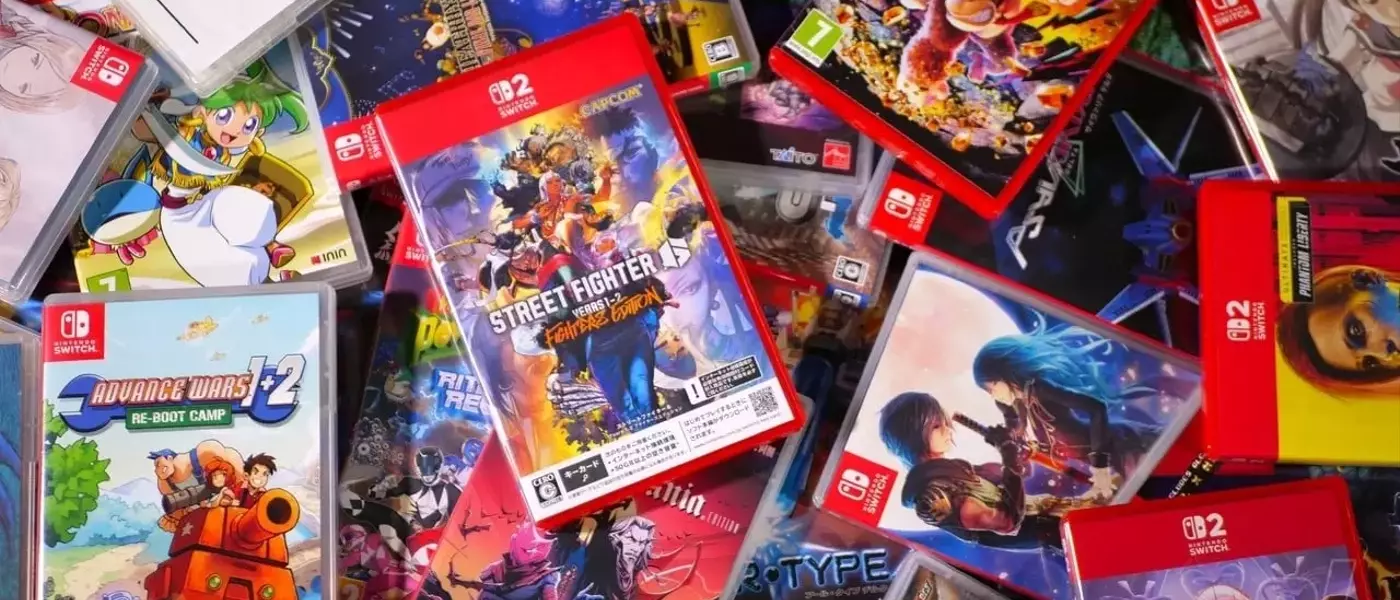
A recent analysis reveals a remarkable upsurge in consumer expenditure on game key cards for the Switch 2 in the United States, significantly influencing the overall physical media market. This unexpected growth highlights a shifting landscape in how consumers acquire video games, moving towards a hybrid model that blends physical retail with digital access.
US Game Key Card Sales for Switch 2 Skyrocket in 2026, Reshaping Physical Media Landscape
In a compelling turn of events within the video game industry, Circana's latest sales report for the U.S. market, meticulously detailed by analyst Mat Piscatella, indicates an astonishing 631% increase in spending on Game-Key Cards for the Switch 2 throughout 2026. This colossal surge has not only counteracted a 3% dip across traditional physical media formats but has also elevated total physical media spending by an impressive 5%.
Key titles released this year that have predominantly driven this growth include highly anticipated games such as "Pokémon Pokopia," "Elden Ring: Tarnished Edition," and "Resident Evil Requiem." Notably, the Switch 2 version of "Elden Ring" played a crucial role, propelling the title from its previous position of 41 to a commanding 7th place in the sales charts. This data underscores a growing consumer acceptance, and perhaps preference, for Game-Key Cards, challenging earlier industry perceptions.
Furthermore, Piscatella's report brought more positive news for the Switch 2, confirming its leading position in the U.S. hardware market. The console topped both unit and dollar sales for the month of August and for the entirety of the 2026 year-to-date period, solidifying its dominant presence in the competitive gaming console arena.
The Evolving Gaming Ecosystem: A New Era for Physical-Digital Hybrids
The dramatic rise in Game-Key Card sales for the Switch 2 offers a fascinating glimpse into the evolving dynamics of the gaming industry. It suggests that while the desire for a physical product remains, the convenience and flexibility offered by digital key cards are increasingly appealing to consumers. This trend could signal a future where physical game copies primarily serve as access points to digital downloads, rather than containing the full game data. Developers and publishers may need to adapt their distribution strategies to cater to this hybrid model, potentially leading to new opportunities for retail partnerships and digital content delivery. For players, it presents a nuanced choice between traditional cartridges and the perceived benefits of key cards, including potential resale value and discounted acquisition. This shift necessitates ongoing observation to fully understand its long-term implications for game preservation, consumer rights, and the retail landscape.