
Unveiling the Alternate Universe of "Interstellar": Spielberg's Original Vision vs. Nolan's Masterpiece
 Sid Meier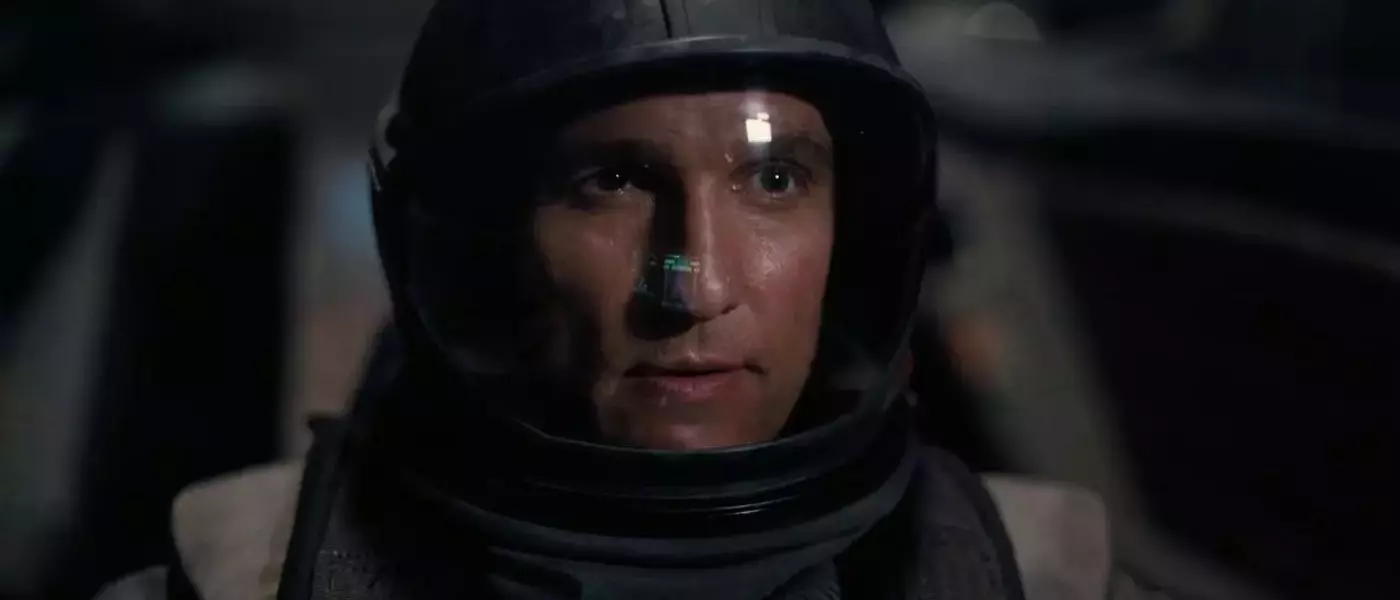
Christopher Nolan's cinematic epic, "Interstellar," continues to resonate with audiences, even as his latest triumph, "The Odyssey," dominates the box office. The film, celebrated for its complex narrative and stunning visuals, embarked on a journey to find humanity a new home as Earth faced ecological collapse. However, the beloved sci-fi masterpiece nearly took a significantly different form under the direction of Steven Spielberg, who was initially attached to the project. Spielberg, collaborating with Jonathan Nolan on the script, developed a distinct vision for the story before his professional commitments led to Nolan assuming the directorial role and subsequently undertaking a substantial rewrite of the screenplay.
A comparison of Spielberg's earlier script with Nolan's finished film reveals striking divergences in plot and character. For instance, the protagonist, Cooper, was conceived as a resourceful engineer rather than a former NASA pilot, whose accidental discovery of a deep-space probe would have thrust him into the mission. A notable alteration also involved Cooper's child, Murph, who was originally written as a son with a personality mirroring his father's, and without the enigmatic "Murph's Ghost" element. Furthermore, the exploratory mission itself was fundamentally different: Spielberg's version featured a single target planet accessed directly through the wormhole, foregoing the concept of Project Lazarus and its multiple planetary candidates. This alternate narrative also introduced a Chinese expedition, whose tragic fate due to radiation exposure offered a grim prelude to the dangers of interstellar travel. Perhaps the most significant departures were the inclusion of sentient alien life forms on the newly discovered planet and a more literal approach to time travel, where the crew would encounter a future Chinese space station built by robot-raised descendants, offering Cooper a chance to journey back in time to a desolate Earth.
The differences underscore how two visionary directors can interpret the same core concept in profoundly unique ways. Nolan's "Interstellar" focused on the intricacies of gravitational time dilation and the power of love transcending dimensions, while Spielberg's initial draft explored themes of alien contact and direct temporal manipulation. Both approaches offer compelling narratives, yet Nolan's final rendition, with its emotional depth and scientific ambition, captivated audiences worldwide. The exploration of these differing visions not only highlights the creative process behind filmmaking but also celebrates the imaginative potential inherent in storytelling, urging us to appreciate the final product while contemplating the fascinating paths not taken.