
When Directors Change: A Look at Films Completed by Second Directors
 Guillermo del Toro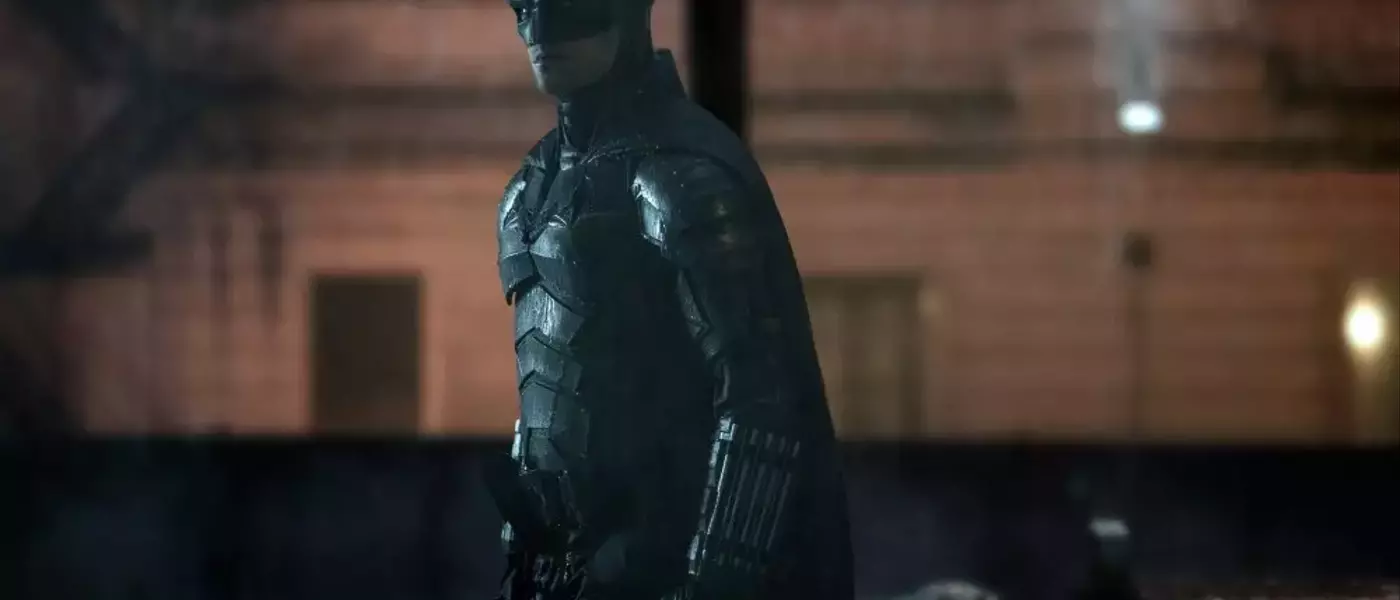
The filmmaking industry is a dynamic environment, frequently witnessing changes in creative leadership. A recent announcement from Warner Bros. and DC Studios revealed that Steven Soderbergh would assist Matt Reeves in finishing "The Batman Part II" due to Reeves' family commitments. Reeves clarified his continued involvement, expressing gratitude for Soderbergh's timely support during principal photography. This instance, where a director steps in to complete a project, is not new to cinema, though this particular collaboration is marked by mutual respect and cooperation, a stark contrast to many historical cases.
Historically, numerous films have required a change in direction midway through production. Such shifts often arise from escalating budgets, behind-the-scenes controversies, or creative disputes. For example, Kirk Douglas orchestrated the replacement of Anthony Mann with Stanley Kubrick on "Spartacus," leading to a multi-Oscar-winning success. Similarly, "Bohemian Rhapsody" saw Dexter Fletcher take over from Bryan Singer due to Singer's unexplained absences, despite Singer ultimately receiving sole directorial credit. These changes, while often challenging, underscore the resilience required in large-scale film production.
Other notable examples include "Justice League," where Joss Whedon replaced Zack Snyder following a personal tragedy in Snyder's family, resulting in significant creative alterations and eventually a release of "The Snyder Cut." The chaotic production of "The Island of Dr. Moreau" led to Richard Stanley's replacement by John Frankenheimer, a situation fraught with tension and a dismal critical reception. "Superman II" also experienced a directorial swap when Richard Donner was replaced by Richard Lester after tensions with producers. Even animated features like "Brave" saw Brenda Chapman replaced by Mark Andrews over creative differences, although both shared credit for the Oscar-winning film. Lastly, "Solo: A Star Wars Story" faced a change from Phil Lord and Christopher Miller to Ron Howard due to clashing creative visions, highlighting the financial risks involved when production goes awry.
These stories from cinematic history serve as powerful reminders that the journey of creating art is rarely linear. They illustrate the importance of perseverance, adaptability, and collaboration in navigating unforeseen challenges. Each instance, whether born from personal crisis, artistic disagreement, or production strife, ultimately led to a completed work, contributing to the rich tapestry of film. The ability to overcome obstacles and continue striving for artistic realization, often with new guidance, speaks volumes about the creative spirit and determination inherent in moviemaking. It reaffirms that even amidst turbulence, the pursuit of storytelling endures, frequently resulting in unexpected triumphs and enduring legacies within the world of cinema.