
Christopher Nolan's Inception: A Cinematic Masterpiece Revisited
 Amy Hennig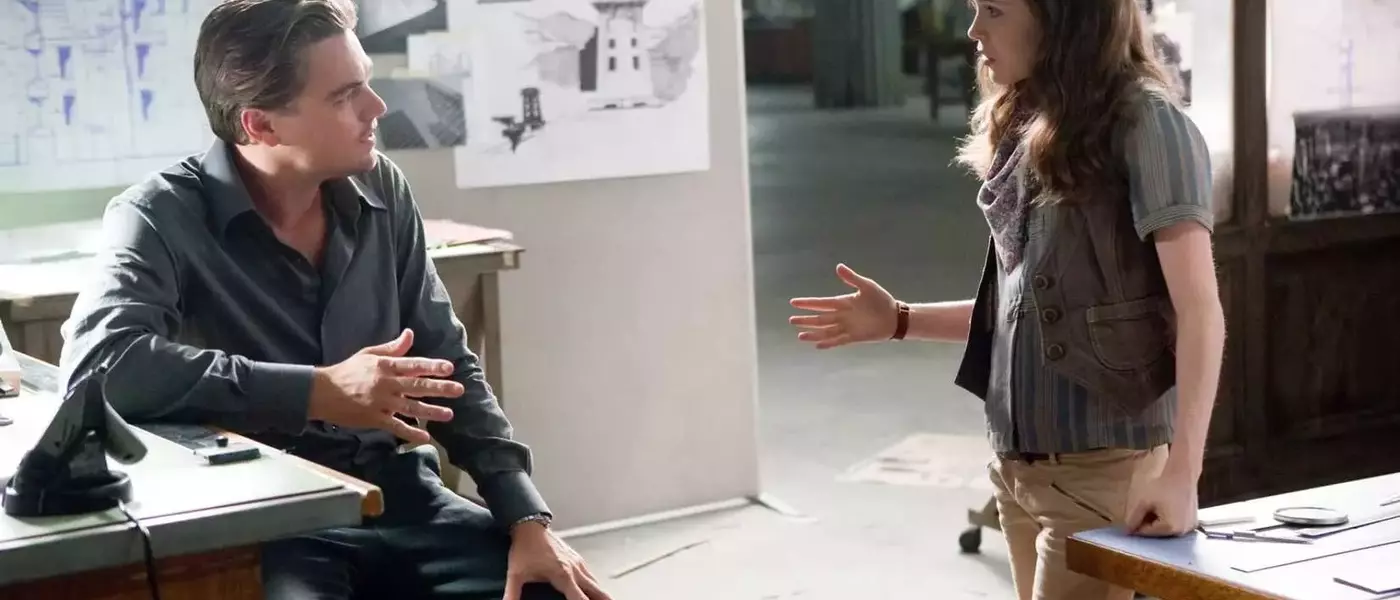
Christopher Nolan's 2010 masterpiece, "Inception," stands as a testament to his visionary filmmaking, a film that continues to captivate and challenge audiences years after its release. This cinematic journey into the human subconscious redefined the action-thriller genre, showcasing Nolan's unparalleled ability to weave intricate narratives with breathtaking practical effects and deeply resonant emotional themes. The film's critical acclaim and enduring popularity affirm its status as a modern classic, a work that solidified Nolan's reputation as a director unafraid to push the boundaries of storytelling.
At its heart, "Inception" follows Dom Cobb, portrayed by Leonardo DiCaprio, a skilled extractor who delves into the dreams of others to steal valuable information. However, his latest mission is an unprecedented challenge: to plant an idea rather than extract one. This task, offered by the enigmatic Saito, promises Cobb a chance at redemption and a return to his children, whom he desperately misses. As Cobb assembles a star-studded team, including the resourceful Arthur (Joseph Gordon-Levitt), the innovative architect Ariadne (Elliot Page), and the master forger Eames (Tom Hardy), they embark on a perilous journey through multiple layers of dreams, where reality and illusion blur.
Nolan's brilliance in "Inception" lies in his ability to make such an ambitious and complex premise accessible and thrilling. The film's dream mechanics are not just plot devices but catalysts for some of the most inventive and visually stunning action sequences ever put on screen. A prime example is the iconic hotel hallway fight, where Arthur battles adversaries in a rotating corridor, defying gravity and logic within the dreamscape. This sequence, achieved largely through practical effects, exemplifies Nolan's commitment to grounded physicality, even in the most fantastical settings.
Beyond the mind-bending visuals and intricate plot, "Inception" is deeply rooted in human emotion. Cobb's quest is not merely about completing a mission but about confronting his own guilt and grief over the loss of his wife, Mal (Marion Cotillard). Her presence, a constant spectral figure in his subconscious, adds a profound emotional layer to the elaborate dream heist, transforming it into a personal journey of catharsis. The film expertly balances its cerebral architecture with a poignant exploration of memory, loss, and the desperate human desire for closure.
While often compared to Satoshi Kon's 2006 anime, "Paprika," due to shared themes of navigating dreams through advanced technology, "Inception" carves out its own distinct identity. Nolan's approach reframes the surreal chaos of the subconscious into a meticulously structured heist narrative, blending sci-fi concepts with the visceral impact of a traditional blockbuster. This unique fusion of intellectual depth and pulse-pounding action ensures that "Inception" remains a gripping experience, compelling viewers to not only unravel its complexities but also to emotionally invest in its characters' fates.
The film's ambiguous ending, with Cobb's totem spinning indefinitely, leaves audiences to ponder the true nature of his reality. This deliberate uncertainty is a masterful touch, reinforcing the film's central theme that perception and belief can be as powerful as objective truth. "Inception" doesn't offer a definitive answer, but rather invites continued introspection, solidifying its place as a thought-provoking cinematic achievement that continues to spark debate and awe, proving that some questions are best left unanswered to truly resonate.