
Eleanor Coppola's 'Making Marie Antoinette': A Cinematic Chronicle of Mother-Daughter Collaboration
 Guillermo del Toro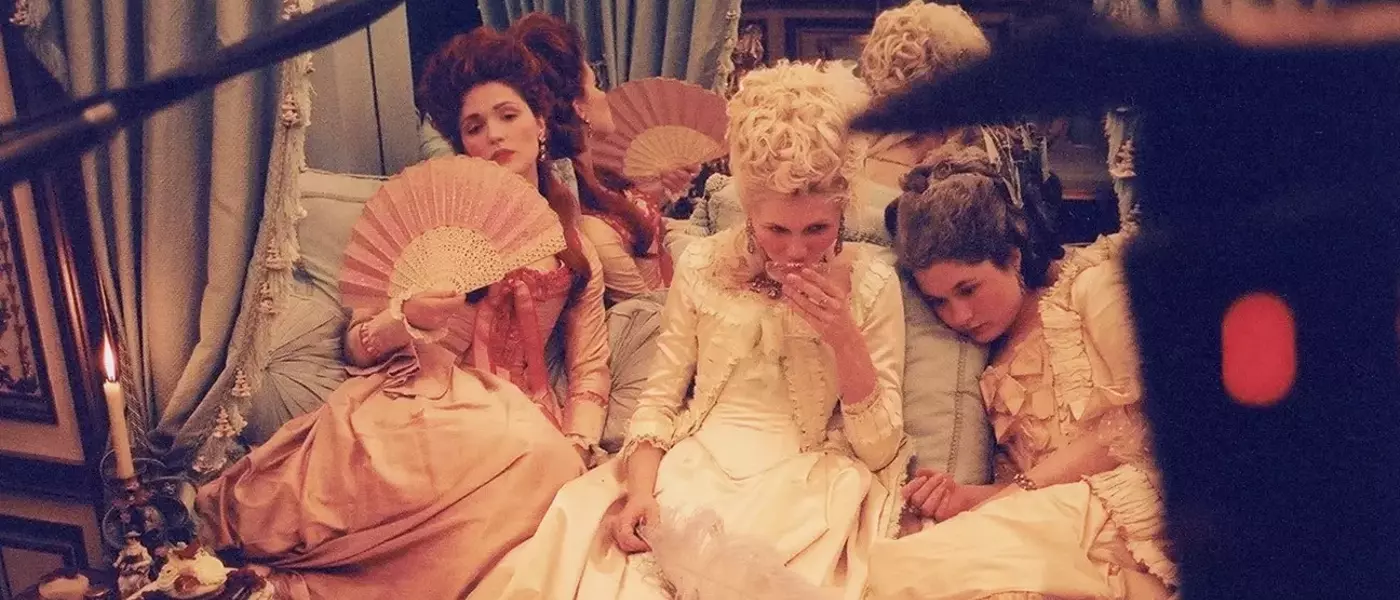
Eleanor Coppola's documentary, 'Making Marie Antoinette,' serves as a poignant testament to the intricate dance between artistic creation and familial bonds. The film, born from 80 hours of raw footage captured during the production of Sofia Coppola's 2006 biopic, offers an unparalleled glimpse into the behind-the-scenes complexities and the emotional landscape of filmmaking. It is a deeply personal chronicle, not only of a movie's genesis but also of the unique mother-daughter dynamic that shaped it. The documentary highlights Eleanor's keen observational eye and her ability to capture the subtle nuances of Sofia's creative process, struggles, and triumphs, making it a compelling exploration of art, family, and the collaborative spirit.
This cinematic endeavor transcends a mere 'making-of' feature; it is a collaborative masterpiece in itself. Initially shelved, the footage was revisited during the 2020 lockdown by Eleanor and Sofia, with Sofia ultimately completing the project as a heartfelt homage after her mother's passing in 2024. The film deliberately maintains Eleanor's directorial voice, further amplified by Diane Lane's narration of Eleanor's diary entries. This approach ensures that Eleanor’s unique artistic signature — her fascination with intricate details, her candid observations of both the grandeur and the exhaustion of production — remains the focal point. It’s a touching portrayal of how two distinct artistic visions can intertwine to create a rich, multi-layered narrative.
The Intimate Lens of a Mother-Daughter Collaboration
Eleanor Coppola's 'Making Marie Antoinette' is an extraordinary exploration of the creation of Sofia Coppola's 2006 film, offering an intimate and unprecedented view through the eyes of a mother. Documenting Sofia's directorial journey with 80 hours of exclusive behind-the-scenes footage, Eleanor captures not just the technical aspects of filmmaking but also the emotional and personal dimensions of the creative process. The documentary highlights Eleanor's unique position as both an observer and an insider, allowing her to delve into the nuanced relationship between a director and her vision, while also revealing the inherent anxieties and pressures of bringing a large-scale period piece to life. The film ultimately stands as a powerful testament to the artistic and familial connection between Eleanor and Sofia, presenting a deeply personal narrative of creative collaboration and maternal support.
The documentary delves into the multifaceted challenges faced by Sofia Coppola during the production of 'Marie Antoinette,' capturing moments of both immense creativity and overwhelming stress. Eleanor, with her insightful perspective, observes Sofia navigating the demands of a $40 million project, revealing the subtle signs of exhaustion and the quiet determination that defined her daughter's approach. The film also touches upon the familial dynamics at play, including interactions with Francis Ford Coppola and cinematographer Lance Acord, and Sofia's steadfast commitment to her unique, female-centric narrative vision, even when it meant pushing back against established male perspectives. This intimate portrayal, narrated by Diane Lane through Eleanor's diary entries, not only chronicles the making of a film but also celebrates the enduring bond and artistic legacy shared between a mother and her daughter, offering a rare glimpse into the heart of their creative partnership.
Eleanor's Distinctive Artistic Eye and Sofia's Visionary Filmmaking
'Making Marie Antoinette' showcases Eleanor Coppola's distinctive artistic lens, which imbues the documentary with a unique observational quality. Her meticulous attention to detail, from the grandiosity of Versailles to the subtle expressions of the cast and crew, offers a rich tapestry of the filmmaking process. Eleanor's perspective, rooted in her role as Sofia's mother and a seasoned documentarian, provides an unparalleled insider's view, capturing candid moments that other filmmakers might miss. This documentary is not just a chronicle of production; it's a testament to Eleanor's own artistic sensibilities, her fascination with the creative journey, and her ability to capture the essence of an artist at work, transforming raw footage into a compelling narrative that celebrates both her daughter's vision and her own.
The documentary brilliantly illuminates Sofia Coppola's distinctive directorial style and her unwavering commitment to her artistic vision, particularly in her portrayal of 'Marie Antoinette.' Eleanor's camera captures Sofia's meticulous approach to crafting a film that challenged conventional historical narratives, focusing instead on the Queen's isolated, often frivolous, yet ultimately tragic perspective. The film reveals Sofia's battles to maintain her unique female-driven storytelling, pushing back against suggestions to broaden the male characters' subjectivity, and her dedication to presenting Marie Antoinette's world through a singular, intimate lens. This insight into Sofia's creative process, seen through her mother's affectionate yet discerning eye, highlights her strength as a director and her ability to filter complex female stories through irreverent and thoughtful period settings. Ultimately, 'Making Marie Antoinette' is a profound tribute to both Eleanor's enduring legacy as a documentarian and Sofia's singular talent as a visionary filmmaker.