
Elizabeth Holmes' Documentary 'You Can See Everything': Directors Discuss Filmmaking Challenges and the Couple's Lack of Involvement
 Guillermo del Toro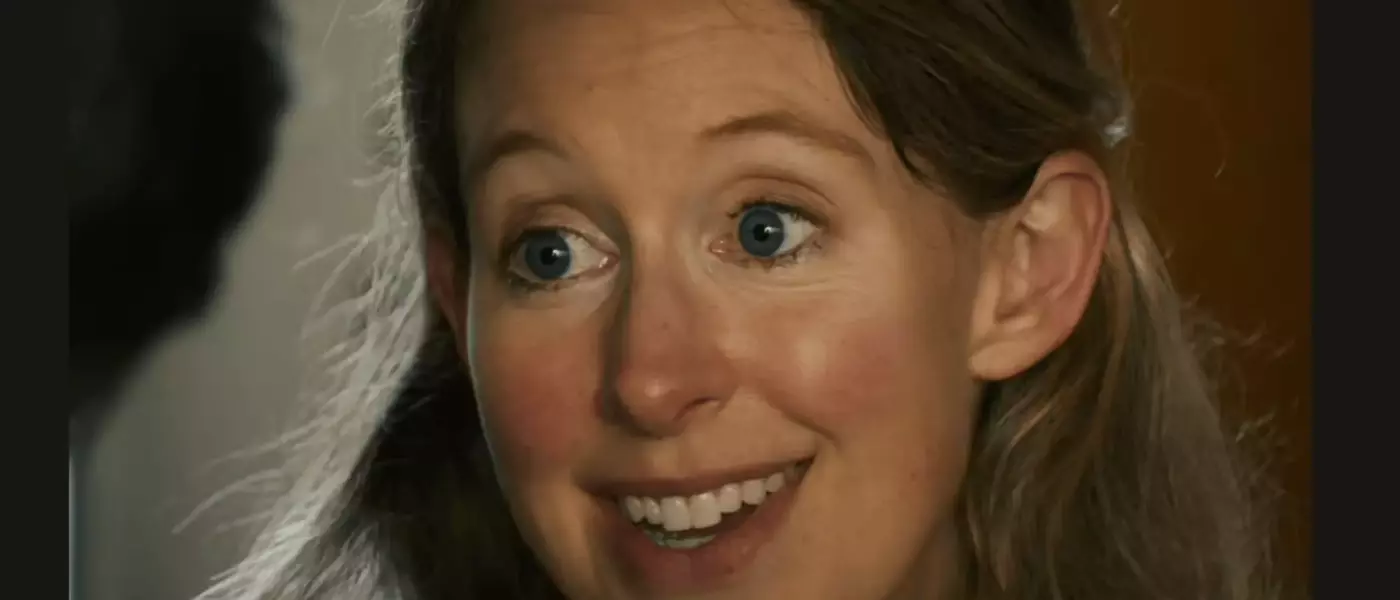
A new documentary titled 'You Can See Everything,' chronicling the life of Elizabeth Holmes in the month leading up to her incarceration, has recently premiered to significant acclaim. Directed by the collaborative duo Nathan Fielder and Lance Oppenheim, the film has captivated audiences across several prestigious festivals, including its initial surprise debut at Telluride, followed by screenings at the New York Film Festival, and a notable event at the Academy Museum in Los Angeles. The Los Angeles premiere drew a crowd of celebrities, highlighting the widespread interest in Holmes' story. During a post-screening Q&A session moderated by Bill Hader, the directors revealed intriguing details about the making of the film, including the unexpected way Holmes initiated the project and the eventual breakdown in communication with her and her husband, Billy Evans, who have yet to see the final cut. This film offers a unique look into Holmes' world, exploring the complexities of her public persona and private life during a pivotal period.
Documentary Directors Reveal Communication Breakdown with Elizabeth Holmes and Husband Billy Evans
Los Angeles recently hosted a prominent screening of the much-anticipated documentary, 'You Can See Everything,' which chronicles the life of Elizabeth Holmes in the critical month leading up to her imprisonment. The event, held at the esteemed Academy Museum, attracted a constellation of stars including Zach Cregger, Steven Yeun, Elizabeth Olsen, Hannah Einbinder, Meg Stalter, Patrick Ball, Aziz Ansari, Hasan Piker, and music duo Lucy Dacus and Julien Baker from Boygenius. This premiere followed successful showings at the Telluride Film Festival and the New York Film Festival.
Co-directors Nathan Fielder and Lance Oppenheim participated in a lively Q&A session after the screening, moderated by comedian Bill Hader. The discussion illuminated the unusual origins of the project, with Holmes herself approaching A24 to produce a documentary about her experiences. Fielder and Oppenheim, who have maintained a friendship since 2021, eventually took on the directorial roles. Interestingly, the directors noted that Holmes and her husband, Billy Evans, appeared largely unfamiliar with their previous works. Oppenheim recounted Evans' unimpressed reaction to the opening of his 2020 film, 'Some Kind of Heaven,' while Holmes' knowledge of Fielder's comedy seemed limited to a brief YouTube clip.
A significant revelation from the Q&A was the strained relationship between the filmmakers and the couple. Oppenheim confirmed that neither Holmes, who remains incarcerated, nor Evans has seen the documentary. Fielder elaborated on the breakdown in communication, stating that as the film neared completion, Evans began to exert considerable control over the production process, creating an uncomfortable and unworkable situation for the crew and A24. This led to an eventual cessation of dialogue between the parties.
The directors also shared details about their immersive filmmaking approach. Fielder, initially not intending to appear on camera, found himself increasingly drawn into the narrative by Holmes and Evans, eventually becoming a crucial on-screen presence. The production team even resided in the couple's guesthouse on their San Diego property. During this time, the filmmakers experienced a heightened sense of paranoia, fearing their living quarters might be bugged and even attempting to de-bug the residence. Oppenheim described their experience as akin to living within their own "conspiracy thriller." Fielder expressed his eagerness for the public to view the film, hoping that a wider audience might help him and the team fully comprehend the extraordinary circumstances they encountered. 'You Can See Everything' is scheduled for theatrical release on October 16.
The making of 'You Can See Everything' offers a fascinating look into the complex dynamics between filmmakers and their subjects, especially when dealing with figures as controversial as Elizabeth Holmes. The directors' honest accounts of their interactions, the unexpected challenges they faced, and the eventual breakdown in communication underscore the inherent difficulties in crafting an unbiased narrative. It raises questions about the motivations behind public figures allowing such intimate access, particularly when facing legal repercussions. Furthermore, the directors' hope that public viewing will help them process their own experiences highlights the profound impact such projects can have on those involved in their creation. This documentary not only promises to shed light on Holmes' story but also serves as a compelling case study on the ethical and practical challenges of documentary filmmaking.