
EU Committee Modifies 2035 Internal Combustion Engine Ban, Easing Pressure on Manufacturers
 Henry Ford
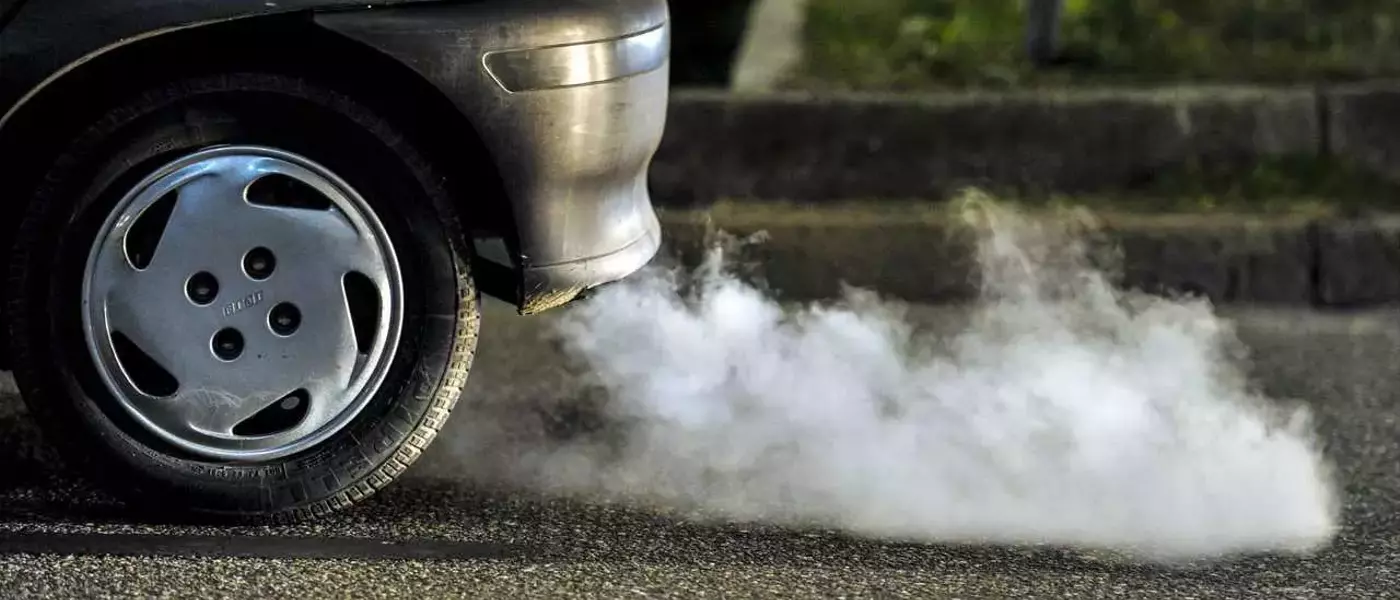
The Environment Committee of the European Parliament has opted to revise the European Union's proposed prohibition on internal combustion engines by 2035. On November 4, 2026, a vote of 48 in favor, 30 against, and two abstentions supported a plan that would permit the continued sale of a limited number of gasoline-powered vehicles beyond the initial deadline.
This adjustment in policy means that the 2035 carbon dioxide reduction target for new passenger cars, initially set at a complete 100 percent phaseout, will now be eased to an 87.5 percent reduction compared to 2021 levels. A similar provision has been made for vans. Furthermore, manufacturers will be able to account for a portion of the remaining emissions gap by utilizing credits derived from the use of low-carbon steel produced within the EU, capped at 7.5 percent of the reference target, effectively bringing the reduction figure closer to 95 percent.
For vans, the revised targets show an even greater deviation from existing regulations. The committee has set a 2030 target of 35 percent, a noticeable decrease from the European Commission's original 40 percent proposal, and a substantial reduction from the 50 percent currently mandated. By 2035, the target for vans would be lowered from a full 100 percent to 80 percent, with the same low-carbon steel credit mechanism applicable, also limited to 7.5 percent.
It is important to note that these changes are not yet final legislation; they represent a negotiating stance by the committee. The full Parliament must still approve this mandate before any discussions with EU governments can commence. A separate, more stringent cap on low-carbon steel credits will apply in the interim, limiting them to just 3 percent of specific targets for both cars and vans between the rules' inception and the close of 2034.
The inclusion of low-carbon steel credits signifies a crucial departure from the initial 2035 framework, which exclusively focused on tailpipe emissions. Steel manufacturing is a major contributor to the embedded emissions in a vehicle's production supply chain. By acknowledging EU-made low-carbon steel, the committee is offering car manufacturers an additional avenue to meet emission goals, extending beyond merely regulating exhaust output. This new approach provides a more holistic view of environmental impact in vehicle production.
The full parliamentary vote on this matter is anticipated in December 2026. Until Parliament casts its vote and any subsequent agreement successfully navigates the remaining legislative stages with the Council, the current regulations will remain in effect, including the original 100 percent emission reduction targets for both passenger vehicles and commercial vans.