
Former BioWare Developer Reveals Scrapped Dragon Age 4 Vision
 Mark Rosewater
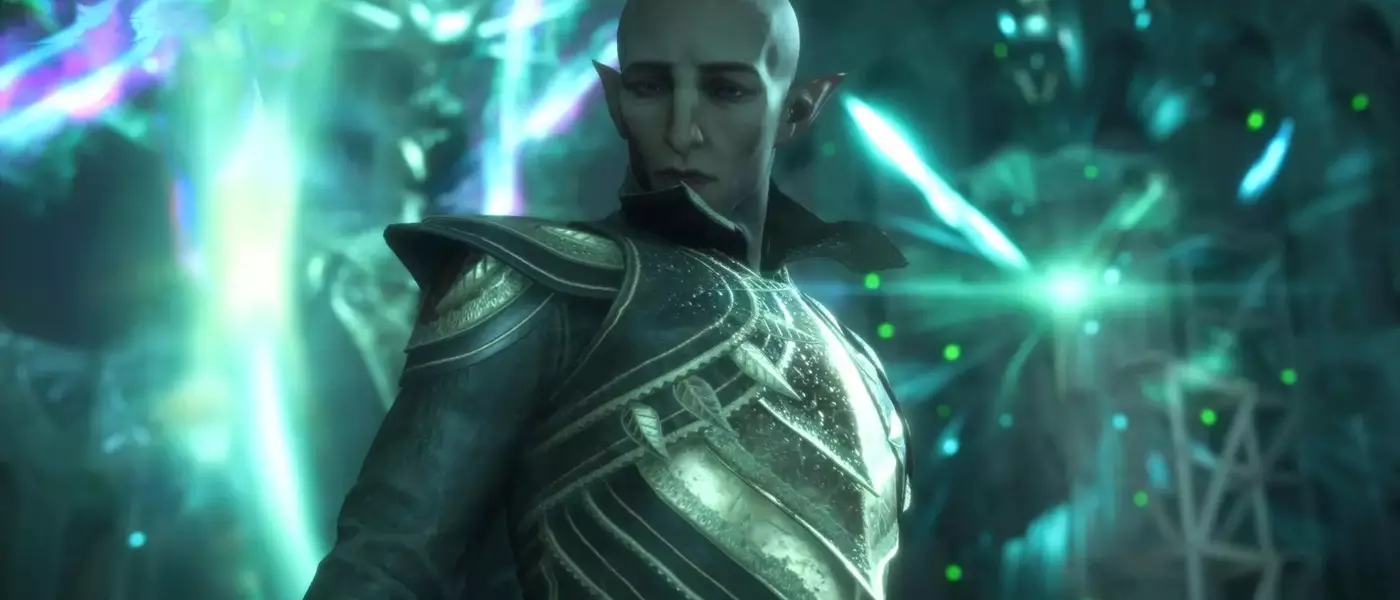
Amidst widespread fan concern following EA's recent closure of BioWare, a former long-time developer, Mark Darrah, shed light on an ambitious, unreleased vision for a Dragon Age title. Darrah, who contributed to BioWare's projects from 1997 to 2021, shared excerpts from an internal pitch document for what was codenamed 'Joplin' – the initial concept for Dragon Age 4. This document, he explained, was created to assert the studio's ongoing relevance within the broader Electronic Arts organization, driven by a palpable fear of being marginalized or, as he put it, "starved out" by the publisher.
The core philosophy behind Joplin, as detailed by Darrah, revolved around creating an exceptionally immersive and interactive world. The game aimed to feature characters whose behaviors and reactions were remarkably lifelike, directly influenced by the player's choices. This vision extended to complex social interactions and dynamic environmental elements, where player actions, such as executing a heist, could trigger far-reaching consequences. Furthermore, the game proposed destructible environments and a world that responded realistically to natural phenomena, like players sinking into mud, enhancing the overall sense of immersion.
While the Joplin pitch presented an impressive blueprint, Darrah conceded that it served, in part, as "propaganda" to sway EA executives. He acknowledged that the game described in the vision document might never have fully materialized due to internal team dynamics and differing design priorities. Nevertheless, he suggested that had Joplin not been superseded by a live-service model (which itself was later abandoned), the final iteration of Dragon Age 4 would have borne a closer resemblance to this original concept than to the recently released Dragon Age: The Veilguard. This disclosure adds another layer to the myriad "what ifs" surrounding BioWare's trajectory and its beloved Dragon Age series, offering a glimpse into a path not taken.
This insight into a discarded game vision underscores the profound impact of creative ambition colliding with corporate realities within the video game industry. It highlights the delicate balance between artistic integrity and commercial viability, often leaving fans to ponder the potential of projects that never saw the light of day. It’s a testament to the dedication of developers who strive to innovate, even when facing internal and external pressures. Ultimately, such stories remind us that true creativity often flourishes in environments that champion bold ideas and nurture visionary talent, fostering a gaming landscape rich with diverse and engaging experiences for players worldwide.