
Ghost Town Games Unveils 'Stage Fright': A New Co-op Adventure Beyond the Kitchen
 Roberta Williams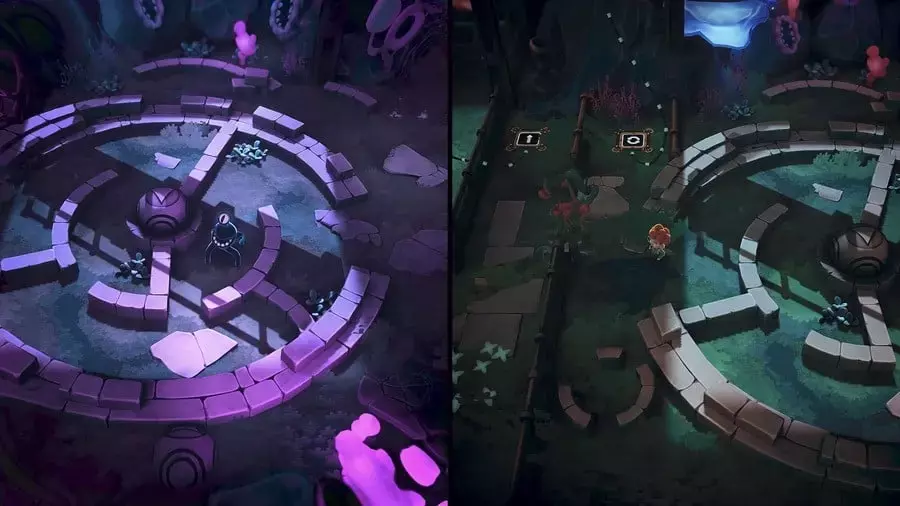
From Culinary Chaos to Ethereal Puzzles: The Evolution of Cooperative Play
The Unexpected Triumph of Overcooked: A Look Back at Its Genesis
Recalling the humble beginnings of Overcooked, Oli De-Vine and Phil Duncan shared their initial uncertainties about the game's commercial viability. Despite facing numerous rejections from publishers, the unwavering support of Team17 ultimately brought their vision to life. The game's success, though not immediately apparent, gradually blossomed as players worldwide embraced its unique blend of frantic teamwork and lighthearted fun. This unexpected popularity solidified Ghost Town Games' reputation for crafting compelling cooperative experiences.
Transitioning to a New Realm: The Genesis of Stage Fright's Puzzle-Centric Design
The transition from Overcooked's kitchen mayhem to Stage Fright's enigmatic puzzles was driven by the developers' desire to explore new cooperative mechanics. Inspired by the collaborative problem-solving inherent in escape rooms, the team aimed to create a game that prioritizes communication and shared exploration. This shift allows for a deeper narrative and a more linear progression, distinguishing Stage Fright from its arcade-style predecessor while retaining the essence of cooperative engagement.
The Distinctive Appeal of Stage Fright in the Cooperative Gaming Landscape
In a market increasingly rich with two-player cooperative titles, Stage Fright carves its own niche by focusing intently on verbal interaction and a non-platformer gameplay style. The design deliberately separates players within environments, necessitating constant communication to overcome challenges and share crucial information. This approach ensures that success hinges on collaborative thought and dialogue, fostering a truly interdependent gaming experience.
Refining the Creative Approach: Evolution in Game Development and Player Engagement
Ghost Town Games has maintained its core development principles, emphasizing extensive prototyping and playtesting. However, the nature of Stage Fright—a narrative-driven adventure rather than a short-burst party game—has necessitated adjustments to their testing methodologies. The team now focuses on longer play sessions to assess the flow of the cinematic story and ensure a cohesive player experience, reflecting a more mature and complex development cycle.
Crafting a Compelling Narrative and Rich Character Interactions in Stage Fright
A significant evolution for Ghost Town Games with Stage Fright is the integration of a fully voiced, cinematic narrative featuring distinct characters like Drew, Blake, and Charlie. This commitment to storytelling, supported by the expertise of writer Gemma Langford and animation studio Paper Snake, adds depth and personality to the game world. The decision to incorporate voice acting arose from playtesting, where it became clear that voiced dialogue significantly enhances player engagement and immersion, particularly in a cooperative setting where reading extensive text can be disruptive.
Nintendo Platforms as the Ideal Home for Stage Fright's Cooperative Vision
Nintendo consoles, particularly the Switch and its successor, have always been a high priority for Ghost Town Games due to their inherent suitability for cooperative play. The detachable Joy-Cons and accessible control schemes make Nintendo platforms ideal for games like Stage Fright, which prioritize ease of entry for all players, regardless of their gaming background. The developers also acknowledge the strong community of Overcooked players on Nintendo, seeing Stage Fright as a way to give back to this dedicated audience.
Luigi's Mansion's Lingering Influence: A Nod to Spooky Accessibility
The visual and thematic inspiration from Nintendo's Luigi's Mansion series is evident in Stage Fright's design. Phil Duncan expresses admiration for Luigi's Mansion's ability to balance spookiness with accessibility, along with its clear art style and imaginative environments. This influence is reflected in Stage Fright's aspiration to create an equally inviting "playground" for players, filled with varied co-op mechanics and magical elements that promise continuous discovery and unique gameplay experiences across its levels.
Envisioning the Future: Replayability and Long-Term Engagement with Stage Fright
While Overcooked garnered a reputation for its high replayability, Stage Fright aims for a different kind of longevity. Though it offers a linear narrative, the developers hope it becomes a cherished annual tradition, akin to rewatching a beloved film, particularly around Halloween. The focus remains on delivering a polished, complete experience at launch, with any potential sequels or DLC considered only after the game's initial reception. The ultimate goal is to create a unique and engaging experience that resonates with players, fostering a lasting connection with the game world and its cooperative challenges.