
J.K. Rowling's Agent Condemns Trans Rights Protest at 'Harry Potter and the Cursed Child' Premiere
 John Lasseter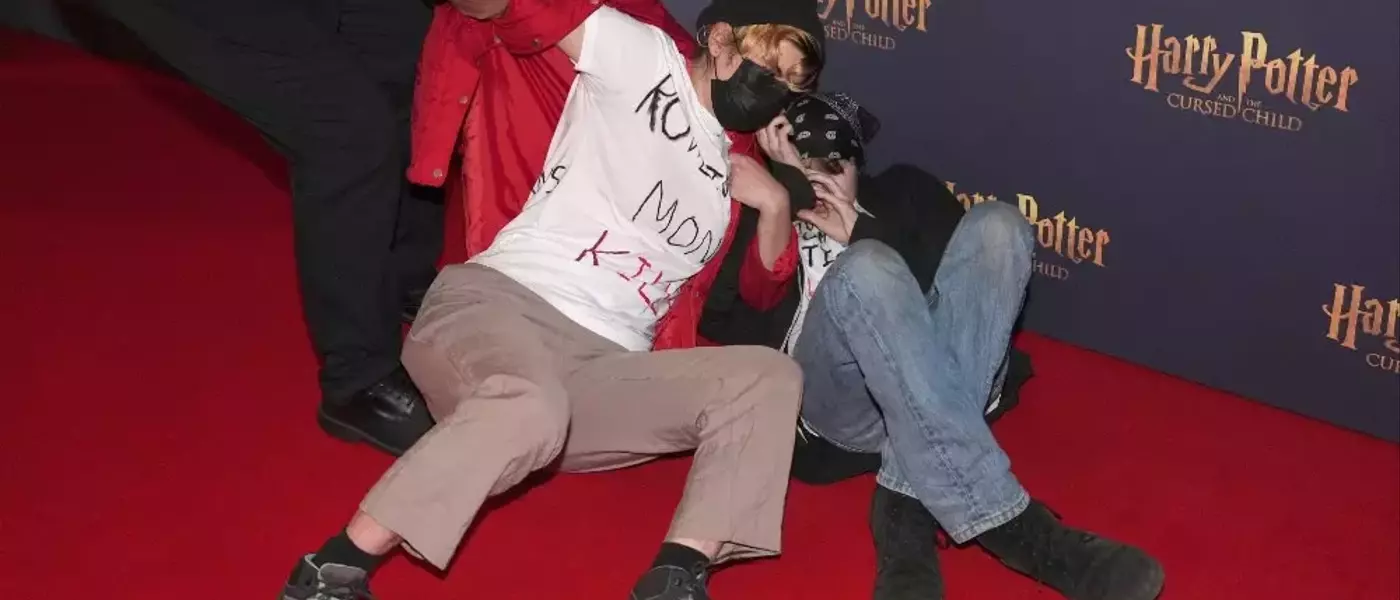
The recent gala performance of "Harry Potter and the Cursed Child" in London's West End was marred by a dramatic protest by transgender rights activists, drawing sharp condemnation from J.K. Rowling's agent, Neil Blair. The incident has ignited a debate about the boundaries of activism and the safety of public events, particularly when juxtaposed with artistic and fan experiences. Blair's strong statement underscores the concerns of event organizers and the creative community regarding disruptive demonstrations that may compromise the well-being of attendees and staff, while activists maintain their right to express dissent against Rowling's views on gender identity.
J.K. Rowling's Agent Denounces Disruptive Trans Rights Protest at 'Harry Potter' Gala
On Thursday, October 15, 2026, the Palace Theatre in London's West End became the scene of an unexpected confrontation during the gala performance of "Harry Potter and the Cursed Child." As luminaries arrived for the premiere of the newly condensed version of the acclaimed play, transgender rights activists staged a disruptive protest. Many of the demonstrators, their identities obscured by masks, hats, and goggles, dramatically stormed the red carpet. One protester, notably wearing a T-shirt emblazoned with the statement "Rowling money kills," lay down on the carpet before being physically removed by vigilant security personnel.
Following the incident, J.K. Rowling's agent, Neil Blair, issued a stern statement to Variety. Blair affirmed respect for peaceful activism and the right to express diverse viewpoints, but unequivocally stated that such rights must be exercised without endangering others. He specifically highlighted the risks posed to audience members, performers, and theater staff during Thursday evening's demonstration outside the Palace Theatre. Blair reiterated the paramount goal of preserving the magic of Harry Potter for its dedicated fans, emphasizing that every fan deserves to experience the world of Harry Potter in an atmosphere of mutual respect and security. He reaffirmed a commitment to ensuring that live theater remains a welcoming and safe space for everyone.
The special performance attracted local celebrities, including television personalities Vanessa Feltz, Angellica Bell, and Richard Arnold, as well as "The Chase" star Anne Hegerty. The play itself has been reconfigured from its original two-part format into a single, nearly three-hour production.
J.K. Rowling has frequently voiced her criticisms regarding self-declared gender identity, leading to accusations of transphobia—allegations she has consistently refuted. She has previously articulated her respect for "every trans person's right to live any way that feels authentic and comfortable to them."
In response to the protest, the Guild of Angry Transsexuals, a group claiming responsibility for organizing the demonstration, provided a statement to Variety. One of their activists, identified as Thea, asserted that their actions were intended to alert attendees of Rowling's "Cursed Child" that their continued financial support of her media and entertainment empire directly funds legal challenges against transgender individuals, their rights, and their private lives.
This incident serves as a stark reminder of the growing tensions surrounding discussions of gender identity and the increasingly public nature of protests against figures like J.K. Rowling. While freedom of expression is a cornerstone of democratic societies, the safety and comfort of attendees at public events remain a significant concern for organizers and participants alike. Finding a balance between the right to protest and ensuring public safety and order presents a complex challenge. This event also highlights the deep divisions within society regarding trans rights and the powerful impact that public figures' stances can have, leading to direct action and passionate advocacy from opposing viewpoints. Ultimately, it compels us to reflect on how differing ideologies can coexist or clash in public spaces, and the responsibilities of all parties involved in fostering respectful dialogue while upholding fundamental rights.