
Mia Goth Criticizes Instagram's Handling of AI-Manipulated Images
 Ricky Gervais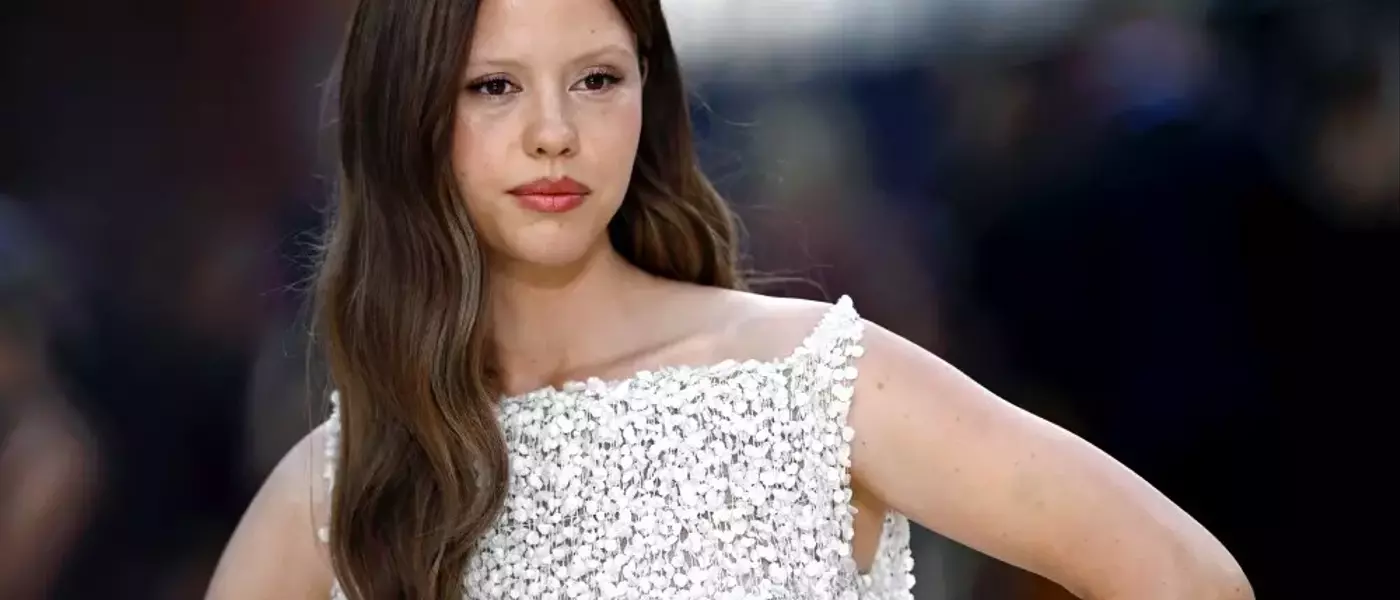
Mia Goth has voiced strong disapproval of Instagram's policy regarding AI-generated content, following the widespread circulation of a manipulated image of her. This artificial selfie, depicting her in a t-shirt with a provocative message about her ex-husband, appeared online shortly after her divorce filing. Goth's representatives have clarified that she does not maintain any social media accounts, making the authenticity of the image impossible. They have formally reported the incident to Instagram, highlighting the platform's perceived failure to adequately protect public figures from deceptive AI-altered content.
The controversy stems from an image posted on Thursday by an Instagram account named 'miagoth_'. This account, despite being labeled as a fan page, featured a blue verification checkmark and amassed approximately one million followers, lending an air of credibility to its posts. The AI-fabricated selfie quickly spread across various news outlets, which mistakenly reported it as a genuine post from Goth. This rapid dissemination occurred just two days after the news of her divorce from Shia LaBeouf became public, adding a layer of personal sensitivity to the situation.
Christine Tripicchio, a spokesperson for Mia Goth, expressed profound concern in a statement to The Verge, calling Instagram's decision to verify such an account 'disconcerting'. Tripicchio emphasized the 'incomprehensible' nature of Instagram's apparent prioritization of circulating forged and manipulated images over safeguarding the likeness and reputation of public figures. She pointed out the inherent risks of fan accounts with verification marks misleading the public, especially when they post AI-generated content that blurs the lines between reality and fabrication.
While Meta, Instagram's parent company, has policies in place to label AI-modified content and identify 'AI-generated profiles,' the issue highlighted by Goth's case underscores a broader challenge. The platform's existing measures may not be sufficient to prevent confusion or the harmful spread of deepfakes, particularly when verified accounts, even if fan-operated, contribute to their circulation. As of Tuesday afternoon, the 'miagoth_' account in question appeared to have been removed, indicating some action was taken following the complaints.
This incident is not isolated, reflecting a growing concern among Hollywood figures about the implications of AI technology. Actresses like Scarlett Johansson and Cate Blanchett, along with director Steven Soderbergh, have publicly condemned deepfakes and the potential for AI to be misused. Blanchett, in particular, co-founded the Human Consent Foundation, a non-profit organization dedicated to empowering individuals to control how their likenesses are used by AI models. Their efforts aim to combat such digital spoofs and ensure that individuals have the right to consent regarding the use of their digital identities.
This situation further amplifies ongoing discussions about ethical AI use, digital identity protection, and the responsibilities of social media platforms in moderating content. The ability of AI to create hyper-realistic images and videos raises complex questions for public figures and platforms alike, necessitating robust policies and swift action to mitigate potential harm and misinformation. Goth's experience serves as a prominent example of the challenges faced in an increasingly digital and AI-driven world.