
Modern Echoes of Ancient Norse: Norway's Viking Revival
 Tim Gunn
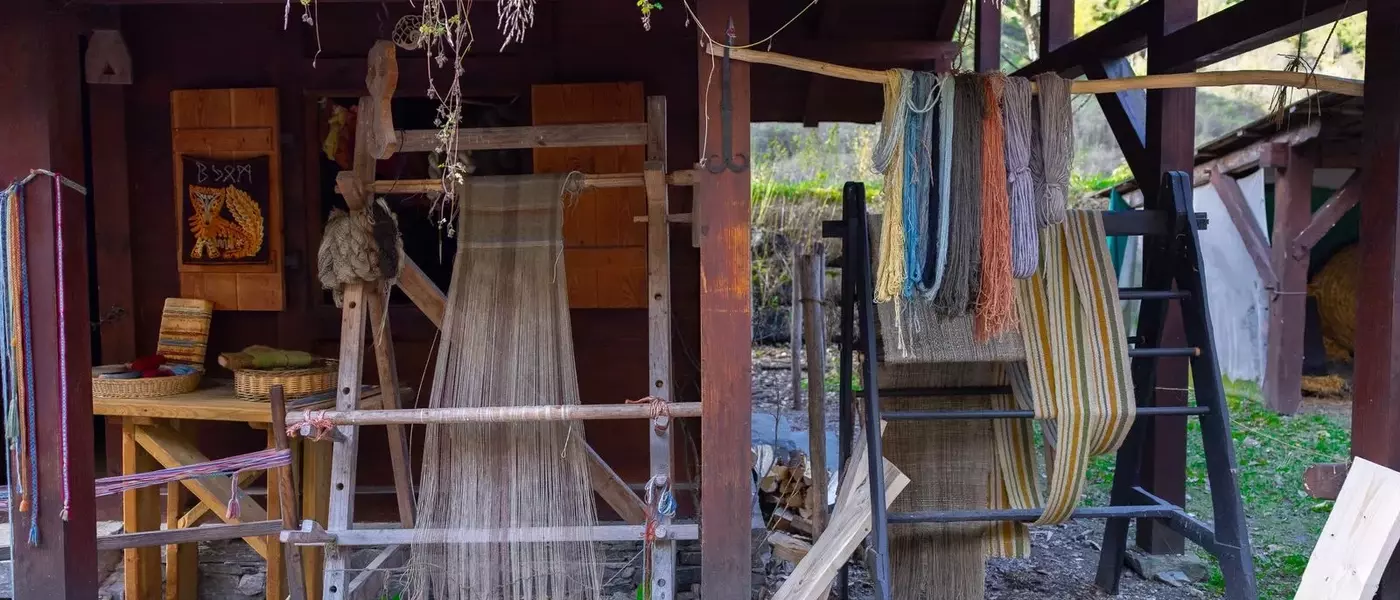
Norway’s identity is intrinsically linked to its long-standing tradition of skilled artistry. This legacy is deeply rooted in the practices of the Vikings, who, from the 8th to the 11th centuries, masterfully utilized natural resources like wood, iron, and bone to construct everything from their distinctive longhouses and formidable weaponry to their iconic ships. Beyond their engineering prowess, they were also adept at textile arts, producing vibrant clothing from wool, linen, and leather. Today, as interest in Viking lore flourishes worldwide—fueled by media, digital platforms, and even sports—Norwegian innovators are seizing this moment. They are channeling this renewed fascination to introduce global visitors to the depths of Viking history through intricately crafted apparel, refined metalwork, and interior aesthetics that draw directly from this ancient civilization.
This cultural revival is manifesting in immersive experiences and authentic design, moving beyond simplistic portrayals of Viking life. A significant driver of this renewed interest is the desire for authentic engagement with history, leading to the growth of sites like Viking Valley, a recreation village that has seen a recent surge in visitors, partly inspired by athletic celebrations. Luxury travel companies are now including these immersive experiences, allowing guests to interact with historical figures and witness traditional crafts firsthand, offering a deeper connection than mere museum visits. Concurrently, fashion brands like Klesarven are redefining Viking-inspired clothing, moving past inaccurate Hollywood stereotypes to showcase the colorful, sophisticated attire of Viking-era farmers, fishermen, and craftspeople. Similarly, Runestone designs contemporary apparel and jewelry that capture the spirit and stories of Norse mythology without focusing on the more brutal aspects, making ancient symbols accessible for everyday wear.
The influence of Viking heritage extends into modern hospitality and design, demonstrating how ancient motifs can inspire contemporary creativity. The integration of Viking heritage is also profoundly shaping Norway's hospitality sector and interior design. From hotels built in traditional timber and turf-roofed styles, like Storfjord Hotel, to resorts featuring restaurant walls adorned with classic Viking construction techniques, the past is visibly woven into the present. Design firms such as Gathe + Gram are meticulously translating Viking-era jewelry patterns and forms—buckles, brooches, and beads—into architectural details and decorative elements within boutique hotels like Eras. This approach showcases how historical precision, complexity, and beauty remain remarkably relevant, proving that heritage thrives not when it's untouchable, but when it serves as a wellspring for new artistic and functional expressions.
This profound re-engagement with Norway's Viking past exemplifies how historical roots can foster vibrant modern expressions. By celebrating ancestral craftsmanship and narratives, contemporary society finds inspiration for innovation in design, travel, and cultural understanding. This movement highlights the enduring power of heritage to enrich the present, offering a deeper appreciation for the ingenuity and artistry of those who came before us, and reminding us that tradition can be a dynamic force for positive evolution and global connection.