
Red Sea Film Festival Cancelled Amidst Geopolitical Tensions and Image Concerns
 John Lasseter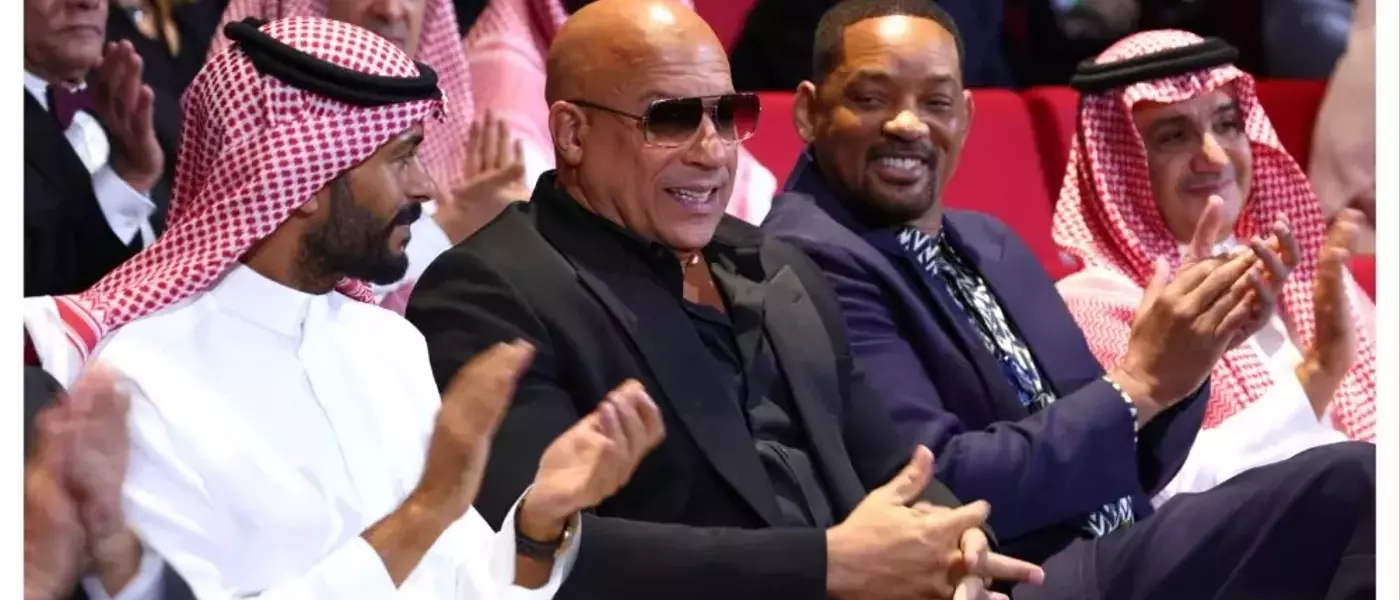
The recent cancellation of the Red Sea International Film Festival in Jeddah has sent ripples through the Middle Eastern cinema world, coinciding with the unexpected revival of the Dubai Film Festival. This development highlights a broader reassessment of strategy in the region, particularly concerning the use of high-profile cultural events to shape international perception. The underlying factors appear to be a mix of escalating geopolitical tensions and a shift in Saudi Arabia's investment focus towards larger global endeavors like the Riyadh Expo 2030 and the 2034 FIFA World Cup.
Shifting Sands in Middle Eastern Cinema
The abrupt halt of the Red Sea International Film Festival has ignited considerable discussion within the entertainment industry. Initially conceived as a cornerstone of Saudi Arabia's campaign to modernize its image and foster a burgeoning film sector, the festival's discontinuation signals a reevaluation of priorities. This shift is not merely due to the volatile political climate in the Middle East, which certainly plays a role, but also reflects a strategic pivot in Saudi investment. Resources are now being channeled into monumental events like the Riyadh Expo 2030 and the 2034 FIFA World Cup, which are seen as having a more significant and lasting impact on national branding and economic development. The decision to scale back on film festival expenditures, as noted by regional media consultants, is a calculated move to optimize resource allocation, leading to a dynamic reshaping of the regional cinematic landscape.
This reorientation is further underscored by the concurrent announcement of the Dubai Film Festival's return in 2027, occupying a similar timeframe. This simultaneous ebb and flow of major film events point to an evolving strategy among Middle Eastern nations regarding their engagement with global culture and entertainment. The Red Sea festival, despite its success in attracting A-list celebrities and significant financial backing, ultimately faced questions about its long-term efficacy in achieving its broader diplomatic goals. Critics argued that the substantial investment in luring international stars did not consistently translate into tangible benefits for the kingdom's image, particularly in the wake of sensitive geopolitical incidents. The resurgence of Dubai's festival suggests a competitive environment where regional players are refining their approaches to cultural diplomacy and economic diversification, making the landscape for film events in the Middle East increasingly fluid and strategically driven.
The Intersection of Celebrity, Soft Power, and Geopolitics
The Red Sea International Film Festival's cancellation reveals the intricate interplay between celebrity endorsement, national soft power ambitions, and the harsh realities of geopolitics. Historically, the festival spared no expense in drawing Hollywood luminaries, providing luxurious accommodations and exclusive experiences to stars like Will Smith and Johnny Depp. This extravagant approach was part of a conscious effort to enhance Saudi Arabia's global standing, particularly as it sought to mitigate the reputational damage from past controversies. While proponents argued the festival was genuinely contributing to the development of a local film industry, a dual purpose of image rehabilitation was always evident. However, the current instability in the region, including State Department travel advisories, has made attracting international talent significantly more challenging, undermining the core strategy of using celebrity presence to project a positive image.
Despite the current setback, there is a prevailing belief among regional film industry figures that the Red Sea festival, or a similar initiative, will eventually re-emerge, albeit with a more economically sustainable and focused model. Experts suggest that the future iteration might prioritize genuine industry development and engagement over purely star-studded spectacles, recognizing that simply inviting Hollywood actors without relevant film promotions may not be sustainable or effective in the long run. The evolving ownership structures in Hollywood, with significant Middle Eastern sovereign wealth fund investments in major studios like Paramount and Warner Bros. Discovery, could also influence future talent participation. This financial leverage might enable these funds to encourage or even mandate celebrity appearances at regional events, shifting the dynamics of how talent engages with Middle Eastern film festivals. This evolving scenario underscores the complex and often paradoxical relationship between cultural events, economic power, and global political narratives in the modern era.