
Scooby-Doo's Resurgence: The Impact of 'Zombie Island'
 Reiner Knizia
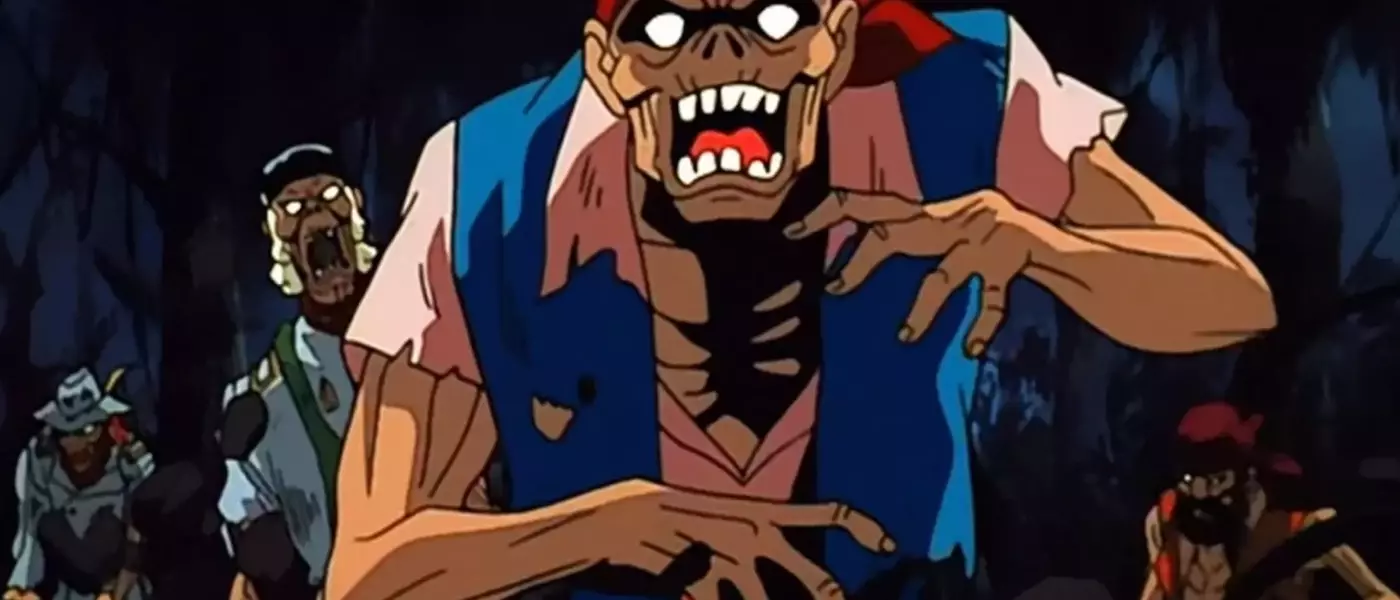
In 1998, amidst a period of declining interest in the classic Scooby-Doo franchise, a groundbreaking animated film, 'Scooby-Doo on Zombie Island,' emerged as a pivotal moment, rescuing the beloved mystery-solving gang from potential obsolescence. This feature-length production dared to deviate from the established 'unmasking the villain' trope, introducing genuine supernatural threats and a darker narrative tone that captivated audiences and critics alike. The film's innovative approach not only breathed new life into the series but also set a precedent for future adaptations, proving that a fresh perspective, combined with reverence for the original spirit, could lead to enduring success.
Prior to 'Zombie Island,' the Scooby-Doo universe faced creative fatigue. After 'A Pup Named Scooby-Doo' concluded in 1991, the franchise largely relied on reruns, leading to a sense of stagnation. This decline, however, presented a unique opportunity for creators to experiment. Director Jim Stenstrum, alongside writers Glenn Leopold and Davis Doi, seized this chance to reimagine the gang's adventures. Their vision culminated in 'Scooby-Doo on Zombie Island,' a film widely credited with saving the franchise and offering a novel take on the zombie genre.
The film commences with Mystery Inc. disbanding to pursue individual careers. Daphne, now a reality TV personality, expresses a desire for authentic ghost hunting. This leads Fred, her devoted cameraman, to reassemble the team—Shaggy, Scooby, and Velma—for a road trip to New Orleans. They soon find themselves on Moonscar Island, invited by Lena Dupree and Simone Lenoir to a plantation reportedly haunted by the pirate Morgan Moonscar. The island, to their horror, is overrun by actual zombies, defying their usual encounters with costumed villains. This stark departure from the typical Scooby-Doo formula, where monsters are merely humans in disguise, marked a significant shift.
The premise shares superficial similarities with James Gunn's 2002 live-action adaptation, as both involve the gang reuniting and confronting supernatural elements. However, 'Zombie Island' stands apart in its bold creative decisions, particularly regarding its portrayal of zombies. Unlike conventional zombie narratives where the undead are purely malevolent forces, 'Zombie Island' introduces a nuanced perspective. The zombies in the film are not the ultimate antagonists; instead, they serve as a warning, attempting to guide Mystery Inc. towards the true danger: were-cats Simone and Lena, who sacrifice tourists for immortality. This innovative twist not only imbued the zombies with a degree of heroism but also granted them agency, a rare depiction in the genre.
The decision to break away from the traditional Scooby-Doo formula was not without internal debate. As recounted by Lance Falk, a model coordinator on 'Zombie Island,' director Stenstrum initially proposed abandoning the 'unmasking' element altogether to introduce genuine monsters. This idea met resistance from Leopold, a staunch defender of the classic Scooby-Doo narrative. However, Doi pointed out that the film's feature-length format necessitated a more substantial and less predictable plot. Falk's compromise—to incorporate both real monsters and the unmasking motif, albeit with a clever twist—allowed the creative team to satisfy both traditional fans and their desire for innovation.
The overwhelmingly positive critical reception and enduring popularity of 'Scooby-Doo on Zombie Island' validated the creative risks taken. Even decades later, it is frequently hailed as one of the finest Scooby-Doo films. Its success underscores the importance of fresh, imaginative storytelling within established franchises, demonstrating that a deep respect for the source material, combined with a willingness to evolve, can lead to timeless entertainment. The film remains a testament to how intelligent reimagining can reinvigorate a beloved classic, ensuring its relevance for new generations of fans.