
Venice Film Festival Director Alberto Barbera Discusses Political Pressures and Artistic Freedom
 Ricky Gervais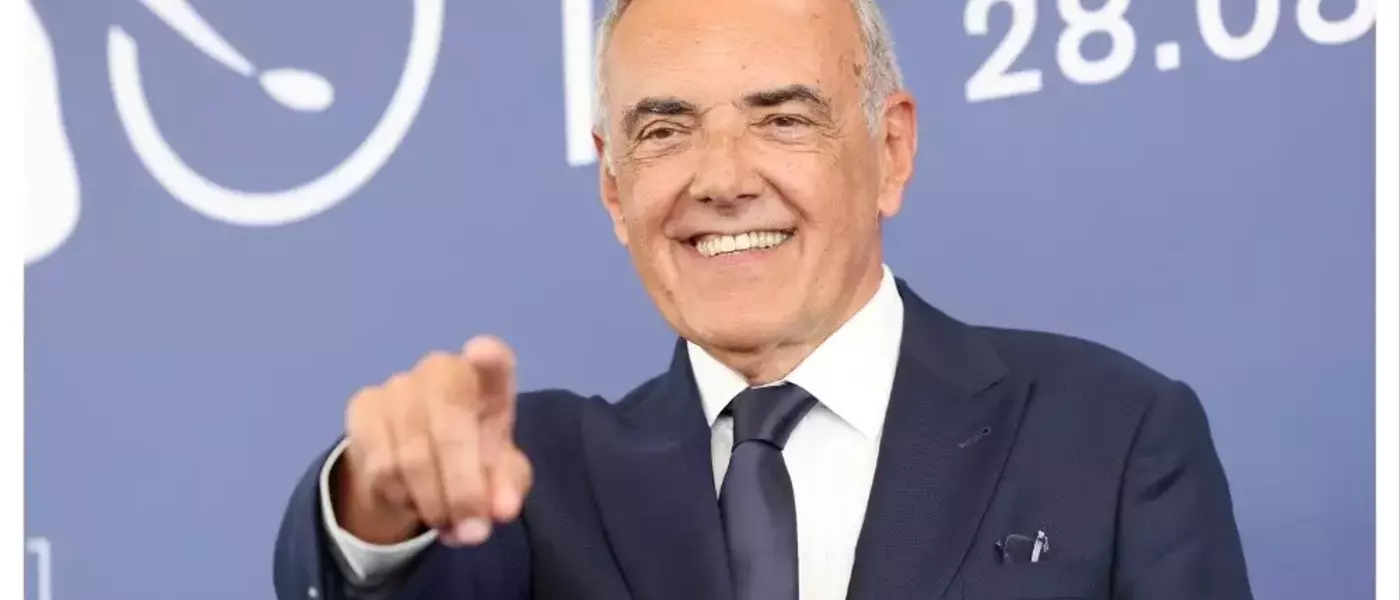
Navigating Controversy: Venice Film Festival's Stance on Artistic Freedom
Upholding Artistic Freedom Amidst Geopolitical Tensions
Alberto Barbera, the director of the Venice Film Festival, openly discussed the political dynamics surrounding the current edition. He emphasized that the festival, and the Biennale as a whole, is committed to providing a space for free artistic expression and will not adopt explicit political positions, even when films address sensitive topics such as the conflicts in Gaza and Ukraine.
Addressing the Absence of Israeli Films and Allegations of Boycott
Barbera directly addressed concerns about the lack of Israeli films in this year's lineup, firmly denying any form of boycott. He explained that only one Israeli film was submitted and it did not meet the festival's selection criteria. He reiterated that the festival harbors no prejudice against any nation and would consider high-quality films from any origin, including Russia or Israel, regardless of potential political backlash.
The "Golden State Killer" Controversy and Artistic Integrity
The festival's consideration of Vincent Gallo's film, "Golden State Killer," starring James Franco, was also a point of discussion. Barbera revealed that while they appreciated the film's artistic merit, Gallo ultimately withdrew it due to not being offered a competitive slot. Barbera clarified that the controversy surrounding the film stemmed from its provocative subject matter rather than the involvement of James Franco, who has faced public scrutiny in the past.
Venice's Unique Position in the Film Festival Landscape
Barbera highlighted Venice's unique ability to navigate controversial film selections, such as those by Roman Polanski and Woody Allen, without facing the same level of criticism as other major festivals. He attributed this to the Biennale's established prestige and credibility, which has been built over years through its consistent defense of artistic freedom and its refusal to take political sides.
Hollywood's Shifting Engagement with International Festivals
Regarding the reduced presence of American films, Barbera attributed it to the current challenges within Hollywood, including studio mergers and evolving production and distribution strategies. He expressed confidence that Hollywood studios would eventually return to Venice, recognizing the festival as an invaluable platform for film promotion despite the associated costs.
Opening Night and Future Prospects
The festival is set to commence with Danny Boyle's historical drama "Ink." Barbera's remarks underscore Venice's commitment to artistic integrity and its role as a global forum for cinematic dialogue, even as it grapples with an increasingly complex geopolitical landscape and industry shifts.